
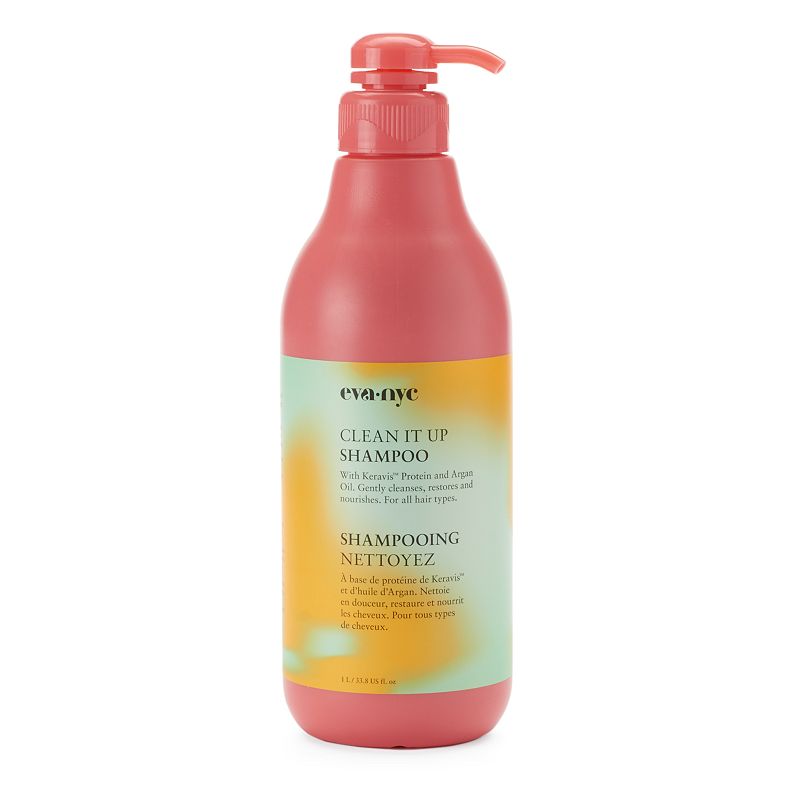
Eva Nyc Clean It Up Shampoo, 33.8 Ounce
Analysis updated August 2026 · How Scout scores
At a glance
Summary
This shampoo contains beneficial natural oils and extracts like olive oil, sea buckthorn extract, and argan oil, which are known for their nourishing properties. However, it also includes several synthetic surfactants and fragrance components that can be harsh and irritating to the skin and hair. The presence of these potentially irritating ingredients, despite the inclusion of beneficial oils, results in a mixed assessment of ingredient safety.
Key ingredients 24
Olea Europaea Fruit OilVery Good
Olea Europaea Fruit Oil, or olive oil, is rich in antioxidants and fatty acids. It is used for its moisturizing and nourishing properties. It is generally considered safe and beneficial for hair and skin health.
Benefits
Moisturizes and nourishes hair and skin.
Hippophae Rhamnoides (Sea Buckthorn) ExtractVery Good
Sea Buckthorn Extract is rich in vitamins and antioxidants. It is used for its nourishing and protective properties. It is generally considered safe and beneficial for hair and skin health.
Benefits
Nourishes and protects hair and skin.
Persea Gratissima OilVery Good
Persea Gratissima Oil, or avocado oil, is rich in vitamins and fatty acids. It is used for its moisturizing and nourishing properties. It is generally considered safe and beneficial for hair and skin health.
Benefits
Moisturizes and nourishes hair and skin.
Argania Spinosa (Argan) Kernel OilVery Good
Argan Oil is rich in essential fatty acids and vitamin E. It is used for its moisturizing and nourishing properties. It is generally considered safe and beneficial for hair and skin health.
Benefits
Moisturizes and nourishes hair and skin.
Triticum Vulgare Germ OilVery Good
Wheat Germ Oil is rich in vitamins and fatty acids. It is used for its moisturizing and nourishing properties. It is generally considered safe and beneficial for hair and skin health.
Benefits
Moisturizes and nourishes hair and skin.
Myrtus Communis OilGood
Myrtus Communis Oil, also known as myrtle oil, is derived from the leaves of the myrtle plant. It is used for its antimicrobial and astringent properties. It is generally considered safe and beneficial for skin and hair care.
Risks
May cause irritation in sensitive individuals if used in high concentrations.
Benefits
Provides antimicrobial and astringent benefits.
Tocopheryl AcetateGood
Tocopheryl Acetate is a form of vitamin E used for its antioxidant properties. It helps to protect hair and skin from oxidative damage. It is generally considered safe and beneficial for maintaining healthy hair and skin.
Benefits
Protects hair and skin from oxidative damage.
Water/Eau/AquaNeutral
Water is a universal solvent and is used as a base in many cosmetic products. It helps to dissolve other ingredients and provides a medium for them to be applied to the hair. It is generally considered safe and non-reactive.
Risks
There are no significant risks associated with water in cosmetic formulations.
Benefits
Water hydrates and helps distribute other ingredients evenly.
Cocamidopropyl BetaineNeutral
Cocamidopropyl Betaine is a mild surfactant derived from coconut oil. It is used to reduce irritation potential of other surfactants and improve foam quality. It is generally considered safe but can cause allergic reactions in some people.
Risks
Potential for allergic reactions in sensitive individuals.
Benefits
Provides gentle cleansing and enhances foam.
Glycol DistearateNeutral
Glycol Distearate is used as an opacifying agent and emollient in shampoos. It gives the product a pearlescent appearance and helps to condition the hair. It is generally considered safe for use in cosmetics.
Benefits
Improves product appearance and provides conditioning benefits.
Sodium SulfateNeutral
Sodium Sulfate is used as a filler and thickening agent in shampoos. It helps to adjust the viscosity of the product. It is generally considered safe for use in cosmetics.
Benefits
Helps to adjust product thickness and consistency.
Sodium ChlorideNeutral
Sodium Chloride, or table salt, is used to adjust the viscosity of shampoos. It helps to thicken the product and improve its texture. It is generally considered safe but can cause dryness if used in high concentrations.
Risks
May cause dryness if used in high concentrations.
Benefits
Thickens the product and improves texture.
GlycerinNeutral
Standard formulation ingredient — neither beneficial nor harmful at typical use.
Benefits
Hydrates and maintains moisture balance in hair and skin.
Ammonium Laureth SulfateBad
Ammonium Laureth Sulfate is a surfactant used for its cleansing and foaming properties. It can be harsh on the skin and hair, potentially causing irritation. It is often criticized for stripping natural oils from the hair.
Risks
May cause skin and eye irritation, especially in sensitive individuals.
Benefits
Effectively removes dirt and oil from the hair.
Sodium Laureth SulfateBad
Sodium Laureth Sulfate is a common surfactant known for its effective cleansing and foaming properties. It can be irritating to the skin and eyes and may strip hair of natural oils. It is often criticized for its potential to cause dryness and irritation.
Risks
Can cause skin and eye irritation, and may lead to dryness.
Benefits
Cleanses effectively by removing dirt and oil.
Cocamide MEABad
Processed additive flagged under Scout's ingredient doctrine.
Risks
May cause skin irritation in sensitive individuals.
Benefits
Enhances foam stability and texture.
PhenoxyethanolBad
Processed additive flagged under Scout's ingredient doctrine.
Risks
May cause skin irritation in sensitive individuals.
Benefits
Prevents microbial growth, extending product shelf life.
LimoneneBad
Processed additive flagged under Scout's ingredient doctrine.
Risks
May cause skin irritation upon oxidation.
Benefits
Provides a citrus scent and may have antimicrobial properties.
Butylphenyl MethylpropionalBad
Butylphenyl Methylpropional is a synthetic fragrance ingredient. It is used to impart a floral scent but is known to cause skin sensitization and allergic reactions. It is often criticized for its potential to cause irritation.
Risks
Can cause skin sensitization and allergic reactions.
Benefits
Adds a floral scent to the product.
Hydroxyisohexyl 3-Cyclohexene CarboxaldehydeBad
This is a synthetic fragrance ingredient used to impart a floral scent. It is known to cause allergic reactions and skin sensitization in some individuals. It is often criticized for its potential to cause irritation.
Risks
Can cause allergic reactions and skin sensitization.
Benefits
Provides a floral fragrance to the product.
HydroxycitronellalBad
Hydroxycitronellal is a synthetic fragrance ingredient used for its floral scent. It is known to cause allergic reactions and skin sensitization in some individuals. It is often criticized for its potential to cause irritation.
Risks
Can cause allergic reactions and skin sensitization.
Benefits
Imparts a floral fragrance to the product.
Propylene GlycolBad
Processed additive flagged under Scout's ingredient doctrine.
Risks
May cause skin irritation in sensitive individuals.
Benefits
Retains moisture and improves product texture.
Fragrance/ParfumVery Bad
Fragrance is used to impart a pleasant scent to the product. However, it can contain a mixture of various chemicals, some of which may cause allergic reactions or irritation. It is often criticized for its potential to cause skin sensitivity.
Risks
Potential for allergic reactions and skin irritation.
Benefits
Provides a pleasant scent to the product.
Ethylhexyl MethoxycinnamateVery Bad
Heavily flagged ingredient class under Scout's doctrine.
Risks
Potential endocrine-disrupting effects with prolonged exposure.
Benefits
Protects hair from UVB radiation and sun damage.
Get the full breakdown in the Scout appTake Scout shopping
Scan any product to see lab results, healthy alternatives, and your personalized analysis.
Download on theApp Store GET IT ONGoogle Play