
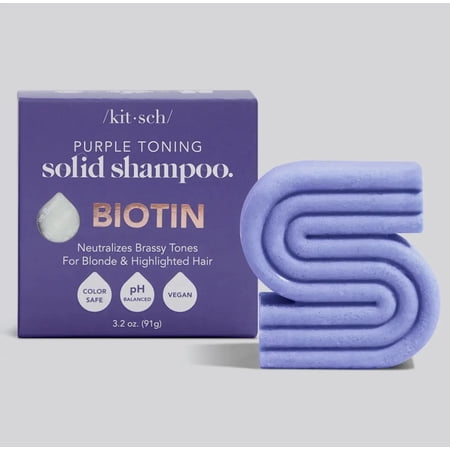
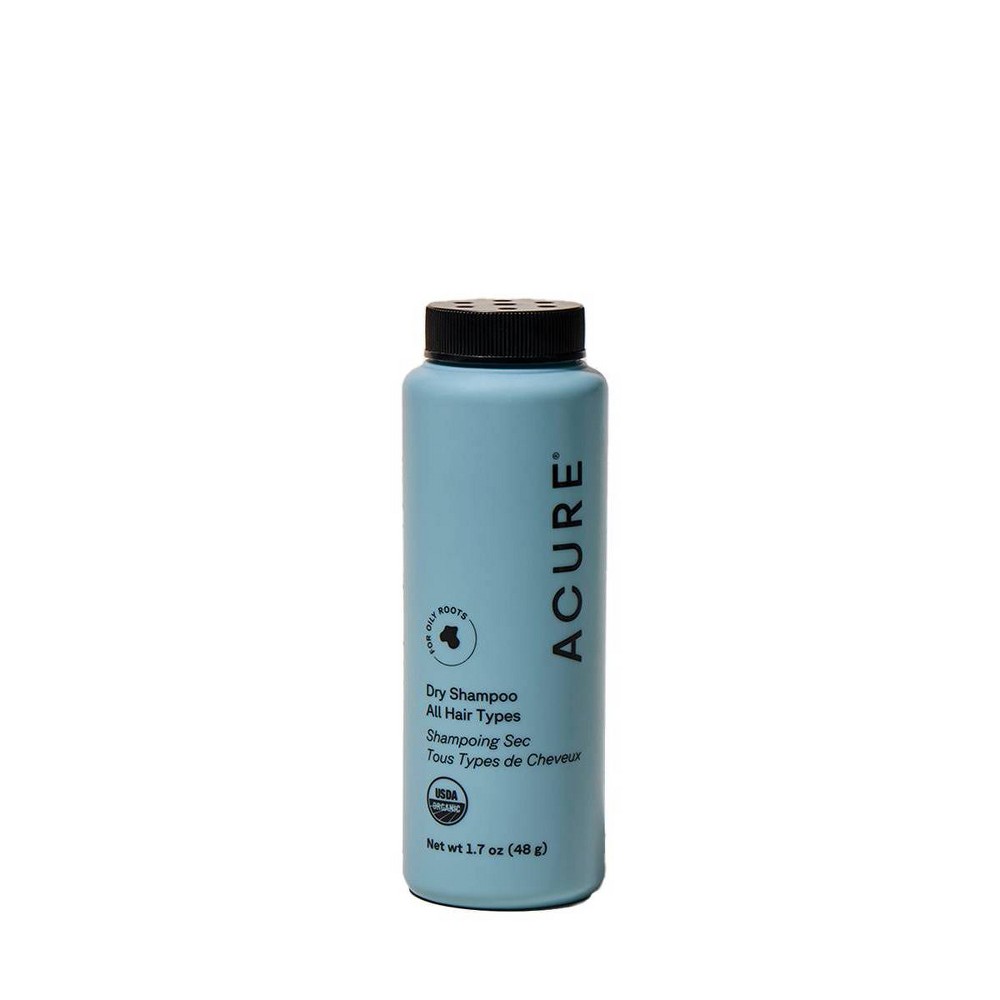
Kitsch Purple Toning Shampoo Bar for Color Treated & Grey Hair Made in US Toning Purple Bar Shampoo for Blonde Grey & White Hair Removes Brass & Yellow Undertones Paraben Free 3.2oz
Analysis updated July 2026 · How Scout scores
At a glance
Summary
This shampoo bar contains several beneficial ingredients such as sodium cocoyl isethionate and sodium methyl cocoyl taurate, which are gentle surfactants derived from coconut oil, providing effective cleansing without stripping natural oils. It also includes nourishing components like cocoa seed butter and biotin. However, the presence of synthetic fragrance and benzyl alcohol, which can be potential irritants, along with sodium chloride as a thickener, slightly detracts from its overall ingredient safety and hair health impact.
Key ingredients 32
Sodium Cocoyl IsethionateVery Good
Sodium Cocoyl Isethionate is a gentle surfactant derived from coconut oil. It effectively cleanses the hair without stripping natural oils. It is favored for its mildness and ability to produce a rich lather.
Risks
There are minimal risks associated with this ingredient, making it suitable for sensitive scalps.
Benefits
It provides a gentle cleansing action while maintaining hair moisture.
Theobroma Cacao (Cocoa) Seed ButterVery Good
Cocoa Seed Butter is a natural fat extracted from cocoa beans. It is known for its moisturizing and conditioning properties. It helps in softening and smoothing the hair.
Risks
Generally safe, but may cause buildup if not rinsed thoroughly.
Benefits
It provides deep conditioning and enhances hair softness.
Orbignya Oleifera (Babassu) Seed OilVery Good
Babassu Seed Oil is a natural oil known for its emollient properties. It helps in moisturizing and conditioning the hair. It is lightweight and easily absorbed, making it suitable for all hair types.
Risks
Generally safe with low risk of irritation.
Benefits
It provides hydration and improves hair elasticity.
Sodium Methyl Cocoyl TaurateGood
Sodium Methyl Cocoyl Taurate is a mild surfactant derived from coconut. It is known for its ability to create a creamy lather and is less irritating than traditional sulfates. It helps in maintaining the natural moisture balance of the hair.
Risks
This ingredient is generally considered safe with low irritation potential.
Benefits
It offers a gentle cleansing experience, suitable for sensitive skin.
Vegetable GlycerinGood
Vegetable Glycerin is a humectant that attracts moisture to the hair and scalp. It helps in maintaining hydration and preventing dryness. It is derived from plant oils, making it a natural and safe ingredient.
Risks
Overuse can lead to a sticky residue on hair.
Benefits
It enhances moisture retention, keeping hair soft and hydrated.
Guar Hydroxypropyltrimonium ChlorideGood
Guar Hydroxypropyltrimonium Chloride is a conditioning agent derived from guar gum. It reduces static and improves hair manageability. It is known for its ability to enhance the feel and appearance of hair.
Risks
It is generally safe, but excessive use can lead to buildup.
Benefits
It improves hair texture and reduces frizz.
BiotinGood
Biotin is a B-vitamin that supports hair health. It is believed to strengthen hair and promote growth. It is often included in hair care products for its potential benefits to hair structure.
Risks
There are minimal risks when used topically.
Benefits
It may improve hair strength and reduce breakage.
Sodium Cocoyl GlycinateGood
Sodium Cocoyl Glycinate is a mild surfactant derived from coconut oil and glycine. It provides gentle cleansing and is less irritating than traditional sulfates. It is suitable for sensitive skin and hair.
Risks
Generally considered safe with low irritation potential.
Benefits
It offers a gentle cleansing action while maintaining skin and hair moisture.
MicaGood
Beneficial ingredient — whole-food or functional value in this product class.
Risks
Inhalation of mica dust can be harmful, but this is not a concern in liquid or solid products.
Benefits
It adds a shimmering effect, enhancing the product's aesthetic.
Coconut AcidGood
Coconut Acid is derived from coconut oil and used for its cleansing properties. It helps in removing dirt and oil from the hair. It is a natural ingredient that is less harsh than traditional sulfates.
Risks
Minimal risks, though it may cause dryness if used excessively.
Benefits
It provides effective cleansing while being gentle on the hair.
BetaineGood
Betaine is a natural compound derived from sugar beet. It is used for its moisturizing and conditioning properties. It helps in maintaining the moisture balance of the hair and scalp.
Risks
Generally considered safe with low irritation potential.
Benefits
It provides hydration and improves hair texture.
GlycerineGood
Glycerine is a humectant that attracts moisture to the hair and scalp. It helps in maintaining hydration and preventing dryness. It is derived from plant oils, making it a natural and safe ingredient.
Risks
Overuse can lead to a sticky residue on hair.
Benefits
It enhances moisture retention, keeping hair soft and hydrated.
Jasminum Officinale (Jasmine) OilGood
Jasmine Oil is a natural essential oil known for its aromatic properties. It provides a pleasant scent and may have soothing effects on the scalp. It is often used for its potential aromatherapeutic benefits.
Risks
Potential for allergic reactions in sensitive individuals.
Benefits
It offers a natural fragrance and may provide calming effects.
Beta Vulgaris (Beet) Root PowderGood
Beet Root Powder is a natural colorant and antioxidant. It provides a natural tint and may offer protective benefits against oxidative stress. It is derived from beets, making it a plant-based ingredient.
Risks
Generally considered safe with low risk of irritation.
Benefits
It adds natural color and may provide antioxidant benefits.
Iron Oxides (CI 77491)Good
Beneficial ingredient — whole-food or functional value in this product class.
Risks
Generally considered safe with low risk of irritation.
Benefits
They provide natural color to the product.
Hydrogenated Castor OilNeutral
Standard formulation ingredient — neither beneficial nor harmful at typical use.
Risks
There are minimal risks, though it may cause buildup if not rinsed thoroughly.
Benefits
It provides conditioning benefits, leaving hair smooth and shiny.
Natural FragranceNeutral
Natural Fragrance is used to impart a pleasant scent to the product. It is derived from natural sources, which may reduce the risk of irritation compared to synthetic fragrances. However, the exact composition is often undisclosed.
Risks
Potential allergens may still be present, causing sensitivity in some individuals.
Benefits
It provides a pleasant aroma without synthetic chemicals.
Violet No. 2 (Ci 60730)Neutral
Violet No. 2 is a synthetic colorant used to neutralize yellow tones in hair. It is effective in maintaining the desired hair color, especially for blonde and grey hair. It is approved for use in cosmetics with specific concentration limits.
Risks
Potential for allergic reactions in sensitive individuals.
Benefits
It helps in maintaining vibrant hair color by reducing brassiness.
Brassica AlcoholNeutral
Brassica Alcohol is a fatty alcohol derived from rapeseed oil. It is used as an emollient and thickener in hair care products. It is less drying than traditional alcohols and helps in improving product texture.
Risks
Minimal risks, as it is not a drying alcohol.
Benefits
It enhances product consistency and provides emollient benefits.
Sodium IsethionateNeutral
Sodium Isethionate is a surfactant used for its cleansing properties. It is mild and helps in creating a creamy lather. It is often used in combination with other surfactants to enhance cleansing efficacy.
Risks
Generally safe with low irritation potential.
Benefits
It provides effective cleansing while being gentle on the skin.
Aqua (Water)Neutral
Water is a universal solvent used as a base in many cosmetic products. It helps in dissolving other ingredients and facilitates application. It is essential for product formulation and stability.
Benefits
It acts as a solvent and carrier for other ingredients.
Lactic AcidNeutral
Lactic Acid is an alpha hydroxy acid used to adjust the pH of cosmetic products. It helps in maintaining the acidity of the product, which can enhance hair health. It is also known for its mild exfoliating properties.
Risks
Overuse can lead to irritation, especially on sensitive skin.
Benefits
It helps in maintaining the product's pH balance and can improve hair texture.
Sodium ChlorideNeutral
Standard formulation ingredient — neither beneficial nor harmful at typical use.
Risks
May cause dryness and irritation, particularly for sensitive scalps.
Benefits
It helps in adjusting the viscosity of the product.
Dehydroacetic AcidNeutral
Dehydroacetic Acid is used as a preservative in cosmetic products. It helps in preventing the growth of microorganisms, extending the product's shelf life. It is considered a safer alternative to parabens.
Risks
Generally considered safe, though some individuals may experience sensitivity.
Benefits
It provides effective preservation, ensuring product safety.
Distarch PhosphateNeutral
Distarch Phosphate is a modified starch used as a thickener and stabilizer in cosmetic products. It helps in improving the texture and consistency of formulations. It is generally considered safe for use in personal care products.
Risks
Minimal risks, though excessive use can lead to product buildup.
Benefits
It enhances product texture and stability.
Citric AcidNeutral
Citric Acid is used to adjust the pH of cosmetic products. It helps in maintaining the acidity of the product, which can enhance hair health. It is also known for its mild exfoliating properties.
Risks
Overuse can lead to irritation, especially on sensitive skin.
Benefits
It helps in maintaining the product's pH balance and can improve hair texture.
Titanium Dioxide (CI 77891)Neutral
Titanium Dioxide is used as a pigment and UV filter in cosmetic products. It provides opacity and helps in protecting the product from UV degradation. It is considered safe for use in personal care products.
Risks
Inhalation of fine particles can be harmful, but this is not a concern in solid or liquid products.
Benefits
It provides UV protection and enhances product stability.
Ultramarines (CI 77007)Neutral
Ultramarines are pigments used to add color to cosmetic products. They are stable and provide vibrant hues. They are considered safe for use in personal care products.
Risks
Generally considered safe with low risk of irritation.
Benefits
They provide vibrant color to the product.
Behentrimonium MethosulfateBad
Processed additive flagged under Scout's ingredient doctrine.
Risks
Minimal risks, though excessive use can lead to buildup.
Benefits
It enhances hair softness and reduces static.
Benzyl AlcoholBad
Benzyl Alcohol is used as a preservative and solvent in cosmetic products. It can act as a mild drying agent, which may lead to scalp dryness. It is considered a potential irritant, especially for sensitive skin.
Risks
May cause irritation or dryness, particularly in sensitive individuals.
Benefits
It helps in preserving the product and preventing microbial growth.
LinaloolBad
Processed additive flagged under Scout's ingredient doctrine.
Risks
Potential allergen that may cause irritation in sensitive individuals.
Benefits
It provides a pleasant floral aroma to the product.
Fragrance (Parfum)Very Bad
Fragrance (Parfum) is used to impart a pleasant scent to the product. It is often a blend of various aromatic compounds, which can include synthetic chemicals. The exact composition is usually undisclosed, leading to potential allergen concerns.
Risks
Potential allergens may cause irritation or sensitivity in some individuals.
Benefits
It provides a pleasant aroma to the product.
Get the full breakdown in the Scout appTake Scout shopping
Scan any product to see lab results, healthy alternatives, and your personalized analysis.
Download on theApp Store GET IT ONGoogle PlayAmazon pricing & content
Amazon price as of . Product prices and availability are accurate as of the date/time indicated and are subject to change. Any price and availability information displayed on Amazon.com at the time of purchase will apply to the purchase of this product.
CERTAIN CONTENT THAT APPEARS ON THIS SITE COMES FROM AMAZON. THIS CONTENT IS PROVIDED “AS IS” AND IS SUBJECT TO CHANGE OR REMOVAL AT ANY TIME.