
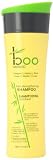

Boo Bamboo Strengthening Shampoo, 10.14 Ounce
Analysis updated August 2026 · How Scout scores
At a glance
Summary
This shampoo contains several beneficial ingredients such as coco-glucoside, moringa seed oil, and bamboo stem extract, which contribute to hair health and strength. However, the presence of synthetic fragrance and benzyl alcohol, which can be potential irritants, slightly detracts from its overall safety profile. The product is moderately processed, which also influences its rating.
Key ingredients 27
Coco-GlucosideVery Good
Coco-Glucoside is a gentle, non-ionic surfactant derived from coconut oil and glucose. It is known for its mild cleansing properties and is suitable for sensitive skin. It is beneficial for providing a gentle cleansing experience without stripping natural oils.
Risks
Generally considered safe with minimal risk of irritation.
Benefits
Provides gentle cleansing, making it suitable for sensitive scalps.
GlycerinGood
Glycerin is a humectant that attracts moisture to the hair and scalp. It helps in maintaining hydration and preventing dryness. It is beneficial for improving the overall health of hair.
Risks
Generally considered safe with minimal risk of irritation.
Benefits
Helps in retaining moisture, making hair feel softer and more hydrated.
Moringa Oleifera Seed OilGood
Moringa Oleifera Seed Oil is rich in vitamins and antioxidants, providing nourishment to the hair and scalp. It helps in moisturizing and strengthening the hair. It is beneficial for improving the overall health of hair.
Risks
Generally considered safe with minimal risk of irritation.
Benefits
Nourishes and strengthens hair, improving its overall health.
Moringa Pterygosperma Seed ExtractGood
Moringa Pterygosperma Seed Extract is known for its antioxidant properties, which help in protecting the hair from environmental damage. It provides nourishment and improves the health of the hair. It is beneficial for maintaining healthy hair.
Risks
Generally considered safe with minimal risk of irritation.
Benefits
Protects hair from environmental damage and provides nourishment.
Bambusa Arundinacea (Bamboo) Stem ExtractGood
Bamboo Stem Extract is rich in silica, which helps in strengthening hair and promoting shine. It provides nourishment and improves the overall health of the hair. It is beneficial for enhancing hair strength and appearance.
Risks
Generally considered safe with minimal risk of irritation.
Benefits
Strengthens hair and enhances shine, improving its overall appearance.
Hydrolyzed Soy ProteinGood
Hydrolyzed Soy Protein is known for its ability to strengthen and repair hair. It helps in improving the texture and resilience of the hair. It is beneficial for enhancing hair strength and reducing breakage.
Risks
Generally considered safe with minimal risk of irritation.
Benefits
Strengthens and repairs hair, reducing breakage and improving texture.
PanthenolGood
Panthenol, also known as provitamin B5, is a moisturizing agent that helps in improving hair elasticity and moisture retention. It enhances the texture and appearance of the hair. It is beneficial for maintaining hydrated and healthy hair.
Risks
Generally considered safe with minimal risk of irritation.
Benefits
Improves hair elasticity and moisture retention, enhancing texture.
Tocopheryl AcetateGood
Tocopheryl Acetate is a form of vitamin E, known for its antioxidant properties. It helps in protecting the hair from environmental damage and provides nourishment. It is beneficial for maintaining healthy and protected hair.
Risks
Generally considered safe with minimal risk of irritation.
Benefits
Protects hair from environmental damage and provides nourishment.
BiotinGood
Biotin is a B-vitamin that supports hair health and growth. It helps in strengthening hair and reducing breakage. It is beneficial for promoting healthy hair growth and improving hair strength.
Risks
Generally considered safe with minimal risk of irritation.
Benefits
Supports hair health and growth, strengthening hair and reducing breakage.
Sodium HyaluronateGood
Sodium Hyaluronate is a form of hyaluronic acid, known for its ability to retain moisture. It helps in hydrating the hair and scalp, improving texture and appearance. It is beneficial for maintaining hydrated and healthy hair.
Risks
Generally considered safe with minimal risk of irritation.
Benefits
Retains moisture, hydrating hair and scalp, improving texture.
Water/Aqua/EauNeutral
Water is a universal solvent and is used as a base in many cosmetic products. It helps dissolve other ingredients and provides a medium for them to function. It does not have any direct benefits or risks in the context of shampoo.
Risks
There are no significant risks associated with water in cosmetic formulations.
Benefits
Water helps in the even distribution of other ingredients in the shampoo.
Sodium Methyl 2-SulfolaurateNeutral
Sodium Methyl 2-Sulfolaurate is a surfactant used for its cleansing properties. It is considered milder than traditional sulfates. It does not have significant benefits or risks beyond its primary function.
Risks
May cause mild irritation in sensitive individuals.
Benefits
Provides effective cleansing without being as harsh as traditional sulfates.
Cetyl BetaineNeutral
Cetyl Betaine is a surfactant that helps in cleansing and foaming. It is generally considered mild and suitable for sensitive skin. It does not have significant benefits or risks beyond its primary function.
Risks
May cause mild irritation in sensitive individuals.
Benefits
Contributes to the foaming and cleansing action of the shampoo.
Cocamidopropyl BetaineNeutral
Cocamidopropyl Betaine is a surfactant derived from coconut oil, used for its foaming and cleansing properties. It is generally considered mild and suitable for sensitive skin. It does not have significant benefits or risks beyond its primary function.
Risks
May cause mild irritation or allergic reactions in some individuals.
Benefits
Enhances the foaming and cleansing properties of the shampoo.
Disodium 2-SulfolaurateNeutral
Disodium 2-Sulfolaurate is a surfactant used for its cleansing properties. It is considered milder than traditional sulfates. It does not have significant benefits or risks beyond its primary function.
Risks
May cause mild irritation in sensitive individuals.
Benefits
Provides effective cleansing without being as harsh as traditional sulfates.
Glyceryl OleateNeutral
Glyceryl Oleate is an emulsifier and conditioning agent derived from natural oils. It helps in maintaining the stability of the product and provides some conditioning benefits. It does not have significant benefits or risks beyond its primary function.
Risks
Generally considered safe with minimal risk of irritation.
Benefits
Contributes to the conditioning and stability of the shampoo.
Glycol DistearateNeutral
Glycol Distearate is used as a pearlizing agent to give the shampoo a pearly appearance. It also acts as an emulsifier and thickener. It does not have significant benefits or risks beyond its primary function.
Risks
Generally considered safe with minimal risk of irritation.
Benefits
Enhances the visual appeal of the shampoo with a pearly look.
Laureth-4Neutral
Laureth-4 is an emulsifier and surfactant used to improve the texture and spreadability of the product. It helps in forming a stable emulsion. It does not have significant benefits or risks beyond its primary function.
Risks
May cause mild irritation in sensitive individuals.
Benefits
Improves the texture and spreadability of the shampoo.
Guar Hydroxypropyltrimonium ChlorideNeutral
Guar Hydroxypropyltrimonium Chloride is a conditioning agent derived from guar gum. It helps in reducing static and improving the manageability of hair. It does not have significant benefits or risks beyond its primary function.
Risks
Generally considered safe with minimal risk of irritation.
Benefits
Improves hair manageability and reduces static.
Polyquaternium-55Neutral
Polyquaternium-55 is a film-forming agent that provides conditioning benefits to the hair. It helps in improving the texture and feel of the hair. It does not have significant benefits or risks beyond its primary function.
Risks
Generally considered safe with minimal risk of irritation.
Benefits
Enhances the texture and feel of the hair.
Benzoic AcidNeutral
Benzoic Acid is used as a preservative in cosmetic products. It helps in preventing the growth of microorganisms. It does not have significant benefits or risks beyond its primary function.
Risks
May cause mild irritation in sensitive individuals.
Benefits
Prevents microbial growth, extending the shelf life of the product.
Citric AcidNeutral
Citric Acid is used to adjust the pH of cosmetic products. It helps in maintaining the stability and effectiveness of the product. It does not have significant benefits or risks beyond its primary function.
Risks
May cause mild irritation in sensitive individuals.
Benefits
Helps in maintaining the stability and effectiveness of the product.
Benzyl AlcoholBad
Benzyl Alcohol is used as a preservative and solvent in cosmetic products. It can be drying and irritating to the skin and scalp. It is generally considered a potential irritant.
Risks
May cause irritation or dryness, especially in sensitive individuals.
Benefits
Acts as a preservative, extending the shelf life of the product.
Sorbic AcidBad
Processed additive flagged under Scout's ingredient doctrine.
Risks
May cause mild irritation in sensitive individuals.
Benefits
Prevents microbial growth, extending the shelf life of the product.
Sodium BenzoateBad
Synthetic preservative that can form benzene in the presence of vitamin C.
Risks
May cause mild irritation in sensitive individuals.
Benefits
Prevents microbial growth, extending the shelf life of the product.
Potassium SorbateBad
Synthetic preservative — flagged in daily-use products.
Risks
May cause mild irritation in sensitive individuals.
Benefits
Prevents microbial growth, extending the shelf life of the product.
Fragrance/ParfumVery Bad
Fragrance/Parfum is used to impart a pleasant scent to the product. However, it can be a mixture of various chemicals, some of which may cause irritation or allergic reactions. It is generally considered a potential irritant.
Risks
May cause allergic reactions or irritation in sensitive individuals.
Benefits
Provides a pleasant scent to the shampoo.
Get the full breakdown in the Scout appTake Scout shopping
Scan any product to see lab results, healthy alternatives, and your personalized analysis.
Download on theApp Store GET IT ONGoogle Play