
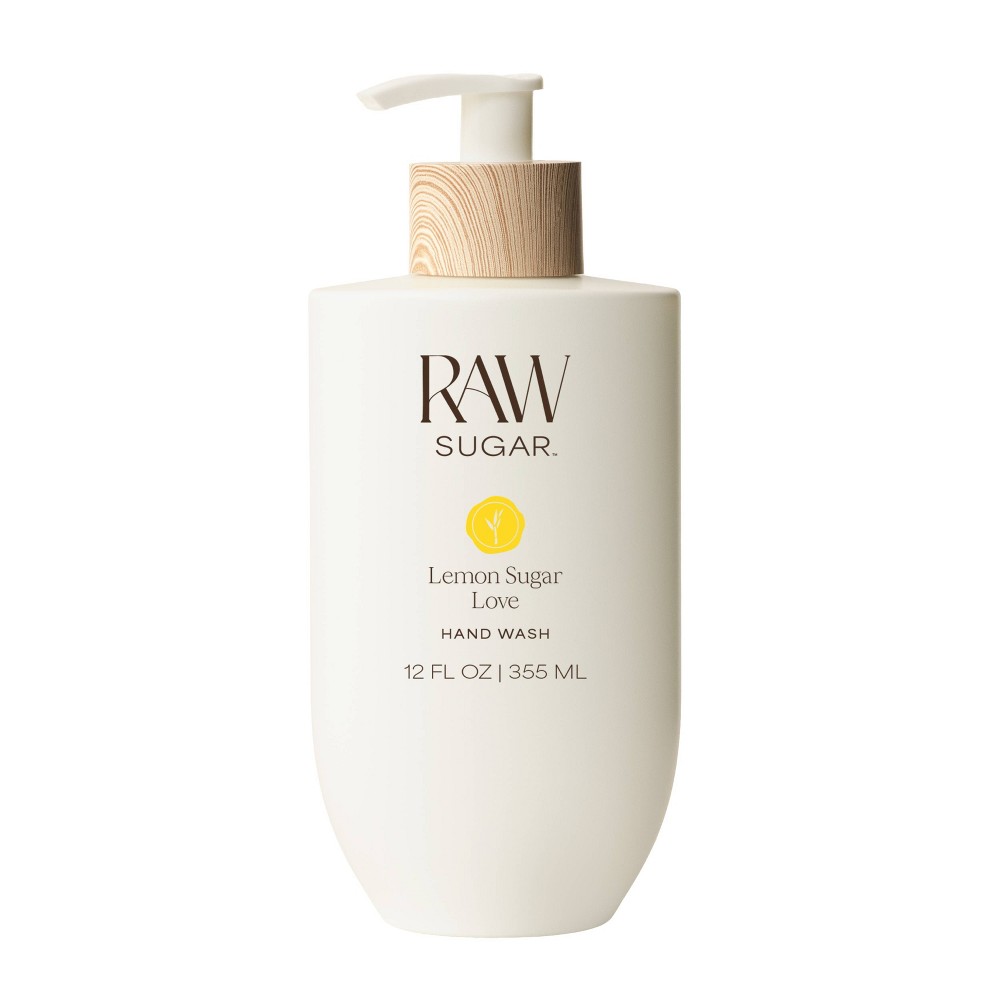
Raw Sugar Gentle Hand Wash - Lemon Sugar Love - 12 fl oz: Vegan, Gel Form, Pump Bottle, For Normal, Oily, Sensitive Skin
Analysis updated July 2026 · How Scout scores
At a glance
Summary
This hand wash contains beneficial natural extracts like lemon, sugarcane, coconut, and ginger, which provide antioxidant and moisturizing properties. However, the presence of sodium C14-16 olefin sulfonate, a potentially harsh surfactant, and synthetic fragrance, which can cause skin irritation, detracts from its overall safety profile. The product is moderately processed, which limits its score despite the inclusion of some skin-friendly ingredients.
Key ingredients 17
SIMMONDSIA CHINENSIS (JOJOBA) SEED OILVery Good
Jojoba seed oil is a natural oil that closely resembles the skin's natural sebum. It is highly moisturizing and helps balance oil production. It is non-comedogenic and suitable for all skin types.
Risks
Generally considered safe with minimal risk of irritation.
Benefits
Deeply moisturizes and balances the skin's natural oils.
CITRUS LIMON (LEMON) FRUIT EXTRACTGood
Lemon fruit extract is known for its refreshing scent and potential antioxidant properties. It can help brighten the skin and provide a pleasant fragrance. It is generally safe but can cause photosensitivity.
Risks
May increase skin sensitivity to sunlight, leading to potential sunburn.
Benefits
Provides a refreshing scent and may help brighten the skin.
SACCHARUM OFFICINARUM (SUGARCANE) EXTRACTGood
Sugarcane extract is a natural source of glycolic acid, which can help exfoliate the skin. It is known for its moisturizing properties and can improve skin texture. It is generally considered safe for use in cosmetics.
Risks
Overuse may lead to skin irritation or sensitivity.
Benefits
Helps exfoliate and moisturize the skin, improving texture.
COCOS NUCIFERA (COCONUT) FRUIT EXTRACTGood
Coconut fruit extract is rich in fatty acids and provides moisturizing benefits. It is known for its soothing properties and can help nourish the skin. It is generally safe and well-tolerated.
Risks
Rarely, it may cause allergic reactions in sensitive individuals.
Benefits
Moisturizes and nourishes the skin, providing soothing effects.
ZINGIBER OFFICINALE (GINGER) ROOT EXTRACTGood
Ginger root extract is known for its antioxidant and anti-inflammatory properties. It can help soothe the skin and reduce redness. It is generally considered safe for topical use.
Risks
May cause irritation in very sensitive skin types.
Benefits
Provides antioxidant benefits and helps soothe the skin.
GLYCERINGood
Glycerin is a humectant that attracts moisture to the skin, keeping it hydrated. It is widely used in skincare for its moisturizing properties. It is safe and effective for all skin types.
Benefits
Keeps the skin hydrated by attracting moisture.
WATER (AQUA)Neutral
Water is a common solvent used in cosmetic formulations. It helps dissolve other ingredients and provides a base for the product. It is generally considered safe and non-irritating.
Risks
There are no significant risks associated with water in cosmetic products.
Benefits
Water hydrates the skin and helps in the even distribution of other ingredients.
COCAMIDOPROPYL BETAINENeutral
Cocamidopropyl Betaine is a mild surfactant derived from coconut oil. It is used to reduce irritation caused by other surfactants. It is generally considered safe but can cause allergic reactions in some individuals.
Risks
Potential for allergic reactions in sensitive individuals.
Benefits
Provides mild cleansing and helps to stabilize foam.
DIMETHYL LAURAMIDE/MYRISTAMIDENeutral
Dimethyl Lauramide/Myristamide are used as surfactants and emulsifiers in cosmetic products. They help to improve the texture and spreadability of the product. They are generally considered safe for use in cosmetics.
Risks
May cause mild irritation in sensitive skin types.
Benefits
Enhances the texture and application of the product.
POLYQUATERNIUM-7Neutral
Polyquaternium-7 is a conditioning agent that helps improve the texture of the product. It provides a smooth feel and reduces static. It is generally considered safe for use in cosmetics.
Risks
May cause mild irritation in sensitive individuals.
Benefits
Improves product texture and provides conditioning benefits.
HYDROXYPROPYL GUAR HYDROXYPROPYLTRIMONIUM CHLORIDENeutral
This ingredient is used as a conditioning agent and thickener in cosmetic formulations. It helps improve the texture and feel of the product. It is generally considered safe for use in cosmetics.
Risks
May cause mild irritation in sensitive skin types.
Benefits
Enhances texture and provides conditioning benefits.
CITRIC ACIDNeutral
Citric acid is used to adjust the pH of cosmetic products. It can also provide mild exfoliation benefits. It is generally safe but can cause irritation in sensitive skin.
Risks
Potential for irritation in sensitive skin if used in high concentrations.
Benefits
Helps maintain product stability and provides mild exfoliation.
SODIUM CHLORIDENeutral
Sodium chloride, or table salt, is used to thicken and stabilize cosmetic formulations. It is generally considered safe and non-irritating. It can also help improve the texture of the product.
Risks
Excessive use may lead to dryness.
Benefits
Improves product texture and stability.
SODIUM C14-16 OLEFIN SULFONATEBad
Sodium C14-16 Olefin Sulfonate is a surfactant used for its cleansing properties. It can be harsh on the skin, potentially causing dryness or irritation. It is less irritating than SLS but still not ideal for sensitive skin.
Risks
May cause skin irritation or dryness, especially with frequent use.
Benefits
Effectively removes dirt and oil from the skin.
SODIUM BENZOATEBad
Synthetic preservative that can form benzene in the presence of vitamin C.
Risks
May cause irritation in very sensitive skin types.
Benefits
Prevents microbial growth, ensuring product safety.
POTASSIUM SORBATEBad
Synthetic preservative — flagged in daily-use products.
Risks
May cause mild irritation in sensitive individuals.
Benefits
Prevents spoilage and extends product shelf life.
FRAGRANCE (PARFUM)Very Bad
Fragrance is used to impart a pleasant scent to cosmetic products. However, it can cause allergic reactions and skin irritation in sensitive individuals. It is often criticized for its potential to cause skin sensitization.
Risks
High potential for allergic reactions and skin irritation.
Benefits
Provides a pleasant scent to the product.
Get the full breakdown in the Scout appTake Scout shopping
Scan any product to see lab results, healthy alternatives, and your personalized analysis.
Download on theApp Store GET IT ONGoogle Play