
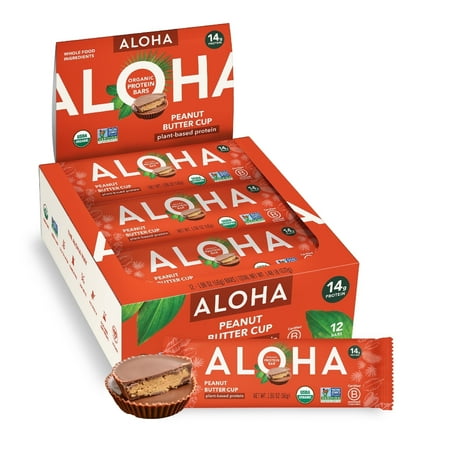



ALOHA Organic Plant Based Protein Bars - Peanut Butter Cup Bar - 12 Bars Vegan Low Sugar Gluten-Free Low Carb Non-GMO No Stevia No Erythritol
Summary
This protein bar features a clean ingredient list with plant-based proteins from brown rice and pumpkin seeds, which provide a balanced amino acid profile. It avoids artificial sweeteners and uses monk fruit as a natural alternative, which is a positive aspect. However, the presence of sunflower lecithin as an emulsifier, while less processed than soy lecithin, still contributes to its processed nature, slightly impacting the overall score.
At a glance
Key ingredients 9
PeanutsGood
Peanuts are a good source of plant-based protein and healthy fats. They contain essential nutrients like magnesium and vitamin E, which support heart health. Additionally, peanuts provide fiber that aids in digestion.
Risks
Peanuts can be allergenic for some individuals, potentially causing severe allergic reactions.
Benefits
Rich in monounsaturated fats that support heart health and provide anti-inflammatory properties.
Tapioca FiberNeutral
Tapioca fiber is used as a source of dietary fiber in food products. It is derived from the cassava root and is often used to improve texture and fiber content. While it adds fiber, it does not provide significant nutritional benefits beyond that.
Benefits
Provides dietary fiber which can aid in digestion and promote a feeling of fullness.
Protein BlendGood
The protein blend includes brown rice protein and pumpkin seed protein, both of which are plant-based sources of protein. Brown rice protein is hypoallergenic and easily digestible, while pumpkin seed protein is rich in magnesium and zinc. Together, they provide a balanced amino acid profile for muscle repair and growth.
Benefits
Offers a plant-based protein source that is suitable for vegans and those with dairy allergies.
Dark ChocolateNeutral
Dark chocolate is made from cocoa solids, cocoa butter, and sugar, providing antioxidants and a rich flavor. It contains flavonoids which may have heart health benefits. However, it also contains added sugars which can be a concern if consumed in excess.
Risks
Contains added sugars which can contribute to calorie intake and potential weight gain if consumed in large amounts.
Benefits
Rich in antioxidants that may support heart health and improve mood.
Tapioca SyrupNeutral
Tapioca syrup is a natural sweetener derived from cassava root. It is used as an alternative to corn syrup and provides sweetness without artificial additives. However, it is still a form of sugar and should be consumed in moderation.
Risks
As a sugar, excessive consumption can lead to increased calorie intake and potential weight gain.
Benefits
Provides a natural source of sweetness without artificial additives.
Vegetable GlycerinNeutral
Vegetable glycerin is a sugar alcohol used to retain moisture and improve texture in food products. It is derived from plant oils and is generally recognized as safe. It does not significantly impact blood sugar levels.
Benefits
Helps maintain moisture in food products, improving texture and shelf life.
Sea SaltGood
Unrefined sea salt — a minimally processed, natural source of sodium and essential trace minerals, and a legitimate whole-food seasoning. Treated as a positive ingredient.
Risks
Excessive sodium intake can lead to high blood pressure and cardiovascular issues.
Benefits
Contains trace minerals and enhances the flavor of food.
Monk FruitNeutral
Monk fruit is a natural sweetener derived from the monk fruit plant. It provides sweetness without calories and does not affect blood sugar levels. It is a popular alternative to artificial sweeteners.
Benefits
Offers a natural, calorie-free sweetening option that is suitable for diabetics.
Sunflower LecithinBad
Sunflower lecithin is used as an emulsifier to improve texture and mixability in food products. It is derived from sunflower seeds and is less processed than soy lecithin. However, it is still considered a processed additive.
Risks
May cause digestive upset in sensitive individuals when consumed in large amounts.
Benefits
Helps improve the texture and consistency of food products.
Processing
Ultra-Processed Foods
Get the full breakdown in the Scout app
Scan any product to see lab results, healthy alternatives, and your personalized analysis.
Download on theApp Store