
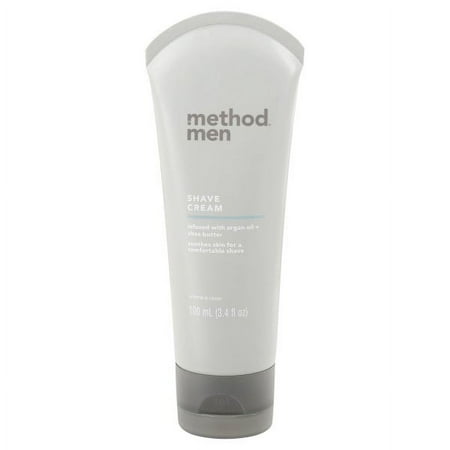


Method Men Shave Cream 2 x 3.4 oz. - Sea + Surf
Analysis updated August 2026 · How Scout scores
At a glance
Summary
This shave cream contains beneficial ingredients like shea butter, argan oil, and aloe vera, which are known for their moisturizing and soothing properties. However, the presence of phenoxyethanol and fragrance, which can cause irritation and allergic reactions, slightly lowers its safety profile. The product is moderately processed, which also impacts its overall rating.
Key ingredients 19
Butyrospermum Parkii (Shea) ButterVery Good
Shea Butter is a natural fat extracted from the nuts of the shea tree. It is highly moisturizing and contains vitamins A and E. It is widely used for its skin-nourishing properties.
Risks
Rarely, it may cause allergic reactions in individuals with nut allergies.
Benefits
Deeply moisturizes and nourishes the skin, improving elasticity and softness.
Argania Spinosa (Argan) Kernel OilVery Good
Argan Oil is a natural oil extracted from the kernels of the argan tree. It is rich in essential fatty acids and vitamin E. It is known for its moisturizing and nourishing properties.
Risks
Rarely, it may cause allergic reactions in sensitive individuals.
Benefits
Deeply nourishes and hydrates the skin, improving its texture and elasticity.
Aloe Barbadensis Leaf JuiceVery Good
Aloe Vera is a natural extract known for its soothing and hydrating properties. It is widely used in cosmetics for its ability to calm irritated skin. It is rich in vitamins and antioxidants.
Risks
Rarely, it may cause allergic reactions in sensitive individuals.
Benefits
Soothes and hydrates the skin, reducing redness and irritation.
GlycerinGood
Glycerin is a humectant that attracts moisture to the skin. It is widely used in cosmetics for its hydrating properties. It helps in maintaining the skin's moisture balance.
Risks
Generally safe, but excessive use may lead to a sticky feeling.
Benefits
Helps in keeping the skin hydrated and soft.
Tocopheryl Acetate (Vitamin E)Good
Vitamin E is an antioxidant that helps protect the skin from free radical damage. It is widely used in cosmetics for its moisturizing and skin-conditioning properties. It helps in improving the overall health of the skin.
Risks
Generally safe, but excessive use may lead to skin irritation.
Benefits
Protects the skin from environmental damage and improves moisture retention.
Water (Aqua)Neutral
Water is a common solvent used in cosmetic formulations. It helps dissolve other ingredients and provides a base for the product. It does not have any direct benefits or risks.
Risks
There are no significant risks associated with water in cosmetic products.
Benefits
Water helps in hydrating the skin by providing moisture.
Ethylhexyl PalmitateNeutral
Ethylhexyl Palmitate is an ester of 2-ethylhexyl alcohol and palmitic acid. It is used as an emollient and thickening agent in cosmetics. It is generally considered safe for use in personal care products.
Risks
May cause mild irritation in sensitive individuals.
Benefits
Provides a smooth application and helps in moisturizing the skin.
Sodium StearateNeutral
Sodium Stearate is a sodium salt of stearic acid, commonly used as a surfactant and emulsifying agent. It helps in stabilizing formulations and providing texture. It is generally recognized as safe in cosmetics.
Risks
May cause mild irritation if used in high concentrations.
Benefits
Helps in forming a stable emulsion and provides a creamy texture.
Stearic AcidNeutral
Stearic Acid is a fatty acid used as an emulsifier and thickener in cosmetics. It helps in stabilizing formulations and providing a smooth texture. It is generally considered safe for use in personal care products.
Risks
May cause mild irritation in sensitive skin.
Benefits
Contributes to the creamy consistency and stability of the product.
Glycol StearateNeutral
Glycol Stearate is an ester of stearic acid and ethylene glycol, used as an emulsifier and opacifying agent. It helps in creating a pearlescent appearance in formulations. It is generally considered safe for use in cosmetics.
Risks
May cause mild irritation in sensitive individuals.
Benefits
Provides a pearlescent finish and helps in emulsifying the product.
Menthyl LactateNeutral
Menthyl Lactate is an ester of menthol and lactic acid, used for its cooling sensation. It provides a refreshing feel without the irritation associated with menthol. It is generally considered safe for use in cosmetics.
Risks
May cause mild irritation in sensitive skin.
Benefits
Provides a cooling and soothing sensation on the skin.
Citric AcidNeutral
Citric Acid is used to adjust the pH of cosmetic formulations. It is a weak organic acid found naturally in citrus fruits. It is generally considered safe for use in cosmetics.
Risks
May cause mild irritation if used in high concentrations.
Benefits
Helps in maintaining the stability and effectiveness of the product by adjusting its pH.
Chondrus Crispus (Carrageenan) ExtractNeutral
Carrageenan Extract is derived from red seaweed and used as a thickening and stabilizing agent. It helps in providing a smooth texture to formulations. It is generally considered safe for use in cosmetics.
Risks
May cause mild irritation in sensitive skin.
Benefits
Contributes to the creamy consistency and stability of the product.
Polyglyceryl-3 DiisostearateNeutral
Polyglyceryl-3 Diisostearate is an emulsifier used to stabilize formulations. It helps in blending oil and water components. It is generally considered safe for use in cosmetics.
Risks
May cause mild irritation in sensitive individuals.
Benefits
Helps in forming a stable emulsion and provides a smooth texture.
Stearamide AMPNeutral
Stearamide AMP is an amide used as a thickening and emulsifying agent. It helps in stabilizing formulations and providing texture. It is generally considered safe for use in cosmetics.
Risks
May cause mild irritation if used in high concentrations.
Benefits
Contributes to the creamy consistency and stability of the product.
Xanthan GumNeutral
Xanthan Gum is a polysaccharide used as a thickening and stabilizing agent. It helps in providing a smooth texture to formulations. It is generally considered safe for use in cosmetics.
Risks
May cause mild irritation in sensitive skin.
Benefits
Contributes to the creamy consistency and stability of the product.
PhenoxyethanolBad
Phenoxyethanol is a preservative used to prevent microbial growth in cosmetics. It is effective in low concentrations but can cause irritation. It is considered a potential allergen and should be used with caution.
Risks
May cause skin irritation and allergic reactions, especially in sensitive individuals.
Benefits
Helps in preserving the product by preventing microbial contamination.
GlucoseBad
Processed additive flagged under Scout's ingredient doctrine.
Risks
There are no significant risks associated with glucose in cosmetic products.
Benefits
Helps in keeping the skin hydrated and soft.
Fragrance (Parfum)Very Bad
Fragrance is used to impart a pleasant scent to cosmetic products. However, it can be a mixture of various chemicals, some of which may cause irritation or allergic reactions. It is considered a potential allergen and should be used with caution.
Risks
May cause skin irritation and allergic reactions, especially in sensitive individuals.
Benefits
Provides a pleasant scent to the product, enhancing user experience.
Processing
Processed Foods
Get the full breakdown in the Scout appTake Scout shopping
Scan any product to see lab results, healthy alternatives, and your personalized analysis.
Download on theApp Store GET IT ONGoogle PlayAmazon pricing & content
Amazon price as of . Product prices and availability are accurate as of the date/time indicated and are subject to change. Any price and availability information displayed on Amazon.com at the time of purchase will apply to the purchase of this product.
CERTAIN CONTENT THAT APPEARS ON THIS SITE COMES FROM AMAZON. THIS CONTENT IS PROVIDED “AS IS” AND IS SUBJECT TO CHANGE OR REMOVAL AT ANY TIME.