

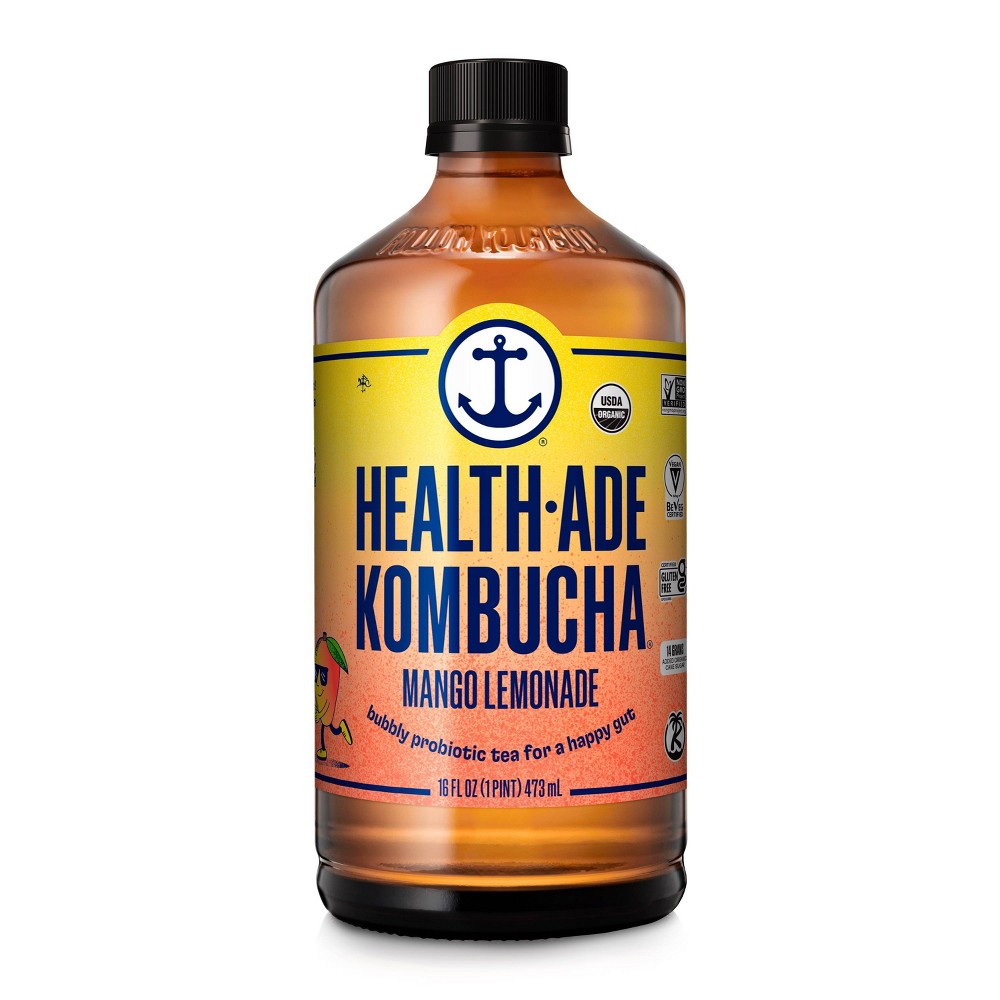


At a glance
Summary
Kombucha Dragon Lemonade contains beneficial ingredients like kombucha tea and cold-pressed citrus juices, which offer probiotics and antioxidants. However, the presence of 'natural flavor' indicates a level of processing that lacks transparency, and the product is classified as ultra-processed, which limits its score. Despite its healthful components, the processing level and use of natural flavors prevent it from achieving a higher rating.
Key ingredients 8
Kombucha TeaGood
Kombucha tea is a fermented beverage known for its probiotic content, which can support gut health. The fermentation process involves a symbiotic culture of bacteria and yeast, enhancing its probiotic benefits. It is also low in sugar due to fermentation, making it a healthier beverage choice.
Risks
Excessive consumption may lead to digestive upset due to its acidity and live cultures.
Benefits
Contains probiotics that can aid in digestion and support a healthy gut microbiome.
Cold-Pressed Lemon JuiceGood
Cold-pressed lemon juice is rich in vitamin C and antioxidants, which can boost the immune system. The cold-pressing process preserves more nutrients compared to heat extraction methods. It adds a natural, refreshing flavor without added sugars.
Risks
High acidity may cause dental enamel erosion if consumed in excess.
Benefits
Provides vitamin C and antioxidants, supporting immune health and offering anti-inflammatory properties.
Cold-Pressed Lime JuiceGood
Cold-pressed lime juice is a source of vitamin C and antioxidants, beneficial for immune support. The cold-pressing technique helps retain more nutrients and natural flavors. It contributes a tangy taste without artificial additives.
Risks
Similar to lemon juice, its acidity can affect dental health if overconsumed.
Benefits
Rich in vitamin C and antioxidants, promoting immune function and providing a refreshing taste.
Pitaya PulpNeutral
Pitaya pulp, also known as dragon fruit, is a low-calorie fruit with some vitamins and minerals. It is often used for its vibrant color and mild sweetness. While nutritious, its benefits are less pronounced in small quantities.
Benefits
Contains small amounts of vitamins and minerals, contributing to overall nutrition.
Beet ConcentrateNeutral
Beet concentrate is used primarily for its natural color and potential antioxidant properties. It is a natural alternative to artificial dyes. However, its health benefits are minimal in small amounts used for coloring.
Benefits
Provides natural coloring and may offer some antioxidants.
CarbonationNeutral
Carbonation is used to add effervescence to beverages, enhancing the sensory experience. It is a common practice in many drinks and does not significantly impact health. The process involves dissolving carbon dioxide gas in the liquid.
Risks
May cause bloating or discomfort in some individuals sensitive to carbonated drinks.
Benefits
Enhances the texture and refreshment of the beverage.
Carbon DioxideNeutral
Carbon dioxide is used to carbonate beverages, providing a fizzy texture. It is a standard ingredient in carbonated drinks and is generally considered safe. The gas is dissolved under pressure to create bubbles.
Benefits
Contributes to the effervescent quality of the drink.
Natural FlavorBad
Natural flavors are often used to enhance taste but lack transparency about their specific components. They are highly processed and can contain a variety of chemical compounds. This lack of clarity can be concerning for those seeking clean-label products.
Risks
Potential allergens or sensitivities due to undisclosed components.
Processing
Ultra-Processed Foods
Get the full breakdown in the Scout appTake Scout shopping
Scan any product to see lab results, healthy alternatives, and your personalized analysis.
Download on theApp Store GET IT ONGoogle Play