
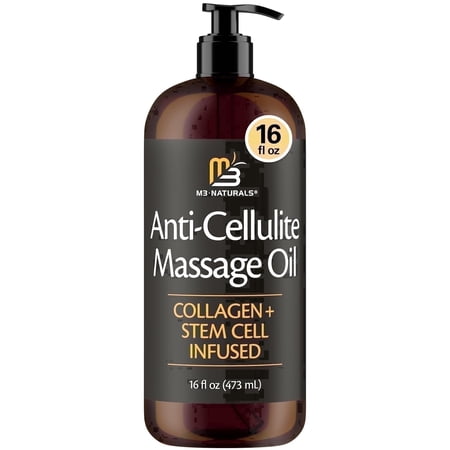
M3 Naturals Cellulite Body Massage Oil with Collagen and Stem Cell Unscented 16 fl oz
Analysis updated August 2026 · How Scout scores
At a glance
Summary
This product contains a variety of beneficial natural oils such as sunflower seed oil, rice bran oil, and grape seed oil, which are known for their moisturizing and skin-nourishing properties. The inclusion of hydrolyzed collagen and apple stem cell extract adds anti-aging benefits. However, the presence of phenoxyethanol, a synthetic preservative, slightly detracts from the overall ingredient quality due to its potential for causing skin irritation.
Key ingredients 16
Helianthus Annuus (Sunflower) Seed OilVery Good
Sunflower seed oil is a natural oil rich in essential fatty acids and vitamin E. It is known for its moisturizing and skin-nourishing properties. This ingredient is often used in skincare for its ability to improve skin barrier function.
Risks
There is a low risk of allergic reactions, but it is generally considered safe for topical use.
Benefits
It provides excellent hydration and helps maintain the skin's natural barrier.
Oryza Sativa (Rice) Bran OilVery Good
Rice bran oil is a natural oil extracted from the outer layer of rice grains. It is rich in antioxidants, vitamins, and fatty acids. This oil is valued for its anti-aging and anti-inflammatory properties.
Risks
Rarely, it may cause skin irritation in sensitive individuals.
Benefits
It helps to nourish and protect the skin, promoting a youthful appearance.
Vitis Vinifera (Grape) Seed OilVery Good
Grape seed oil is a lightweight oil that is high in linoleic acid and antioxidants. It is known for its ability to moisturize and improve skin elasticity. This oil is often used in skincare for its non-comedogenic properties.
Risks
It is generally safe, but may cause mild irritation in some individuals.
Benefits
It provides hydration without clogging pores and helps to improve skin texture.
Citrus Limon (Lemon) Peel OilGood
Lemon peel oil is derived from the peel of lemons and is known for its refreshing scent and astringent properties. It contains natural antioxidants and vitamin C. This oil is used in skincare for its brightening and clarifying effects.
Risks
It can increase photosensitivity, so sun protection is recommended after use.
Benefits
It helps to brighten the skin and reduce the appearance of blemishes.
Eucalyptus Globulus Leaf OilGood
Eucalyptus leaf oil is known for its antiseptic and anti-inflammatory properties. It is often used in skincare for its ability to soothe and refresh the skin. This oil is also valued for its invigorating scent.
Risks
It can cause skin irritation if used in high concentrations.
Benefits
It helps to soothe irritated skin and provides a refreshing aroma.
Citrus Grandis (Grapefruit) Peel OilGood
Grapefruit peel oil is extracted from the peel of grapefruits and is rich in antioxidants and vitamin C. It is known for its uplifting scent and skin-toning properties. This oil is used in skincare for its ability to improve skin clarity.
Risks
It may increase photosensitivity, requiring sun protection after use.
Benefits
It helps to tone the skin and provides a refreshing citrus aroma.
Hydrolyzed CollagenGood
Hydrolyzed collagen is a form of collagen that has been broken down into smaller peptides. It is used in skincare for its moisturizing and skin-rejuvenating properties. This ingredient is known to improve skin elasticity and hydration.
Risks
There is a low risk of allergic reactions, but it is generally considered safe for topical use.
Benefits
It helps to improve skin texture and provides deep hydration.
Malus Domestica Fruit Cell Culture ExtractGood
This extract is derived from apple stem cells and is known for its anti-aging properties. It is used in skincare for its ability to protect and rejuvenate skin cells. This ingredient is valued for its potential to improve skin vitality.
Risks
There is limited research on long-term effects, but it is generally considered safe.
Benefits
It helps to protect skin cells and promote a youthful appearance.
Water/AquaNeutral
Water is a universal solvent and is used as a base in many cosmetic formulations. It helps to dissolve other ingredients and provides hydration. While it is essential for product formulation, it does not have active skincare benefits on its own.
Risks
There are no significant risks associated with water in cosmetic formulations.
Benefits
It acts as a solvent and helps to hydrate the skin.
Xanthan GumNeutral
Xanthan gum is a natural thickening agent derived from fermented sugars. It is used in cosmetics to stabilize and thicken formulations. While it is effective as a thickener, it does not provide active skincare benefits.
Risks
There are no significant risks associated with xanthan gum in cosmetic formulations.
Benefits
It helps to stabilize and thicken products, improving texture.
GlycerinNeutral
Standard formulation ingredient — neither beneficial nor harmful at typical use.
Risks
There is a low risk of irritation, but it is generally considered safe for all skin types.
Benefits
It provides deep hydration and helps to maintain the skin's moisture balance.
LimoneneBad
Processed additive flagged under Scout's ingredient doctrine.
Risks
It may cause skin irritation or allergic reactions in sensitive individuals.
Benefits
It provides a natural citrus fragrance and can enhance the penetration of other ingredients.
CitralBad
Processed additive flagged under Scout's ingredient doctrine.
Risks
It may cause allergic reactions or irritation in sensitive individuals.
Benefits
It provides a natural lemon fragrance and can enhance the sensory experience of products.
LinaloolBad
Processed additive flagged under Scout's ingredient doctrine.
Risks
It may cause allergic reactions or irritation in sensitive individuals.
Benefits
It provides a floral fragrance and can enhance the overall scent profile of products.
PhenoxyethanolBad
Phenoxyethanol is a synthetic preservative used in cosmetics to prevent microbial growth. While it is effective as a preservative, it can cause skin irritation and allergic reactions in some individuals. It is often used as an alternative to parabens.
Risks
It may cause skin irritation or allergic reactions, especially in sensitive individuals.
Benefits
It helps to preserve the product and extend its shelf life.
LecithinBad
Processed additive flagged under Scout's ingredient doctrine.
Risks
There is a low risk of allergic reactions, but it is generally considered safe for topical use.
Benefits
It helps to improve product texture and provides skin-conditioning benefits.
Get the full breakdown in the Scout appTake Scout shopping
Scan any product to see lab results, healthy alternatives, and your personalized analysis.
Download on theApp Store GET IT ONGoogle PlayAmazon pricing & content
Amazon price as of . Product prices and availability are accurate as of the date/time indicated and are subject to change. Any price and availability information displayed on Amazon.com at the time of purchase will apply to the purchase of this product.
CERTAIN CONTENT THAT APPEARS ON THIS SITE COMES FROM AMAZON. THIS CONTENT IS PROVIDED “AS IS” AND IS SUBJECT TO CHANGE OR REMOVAL AT ANY TIME.