

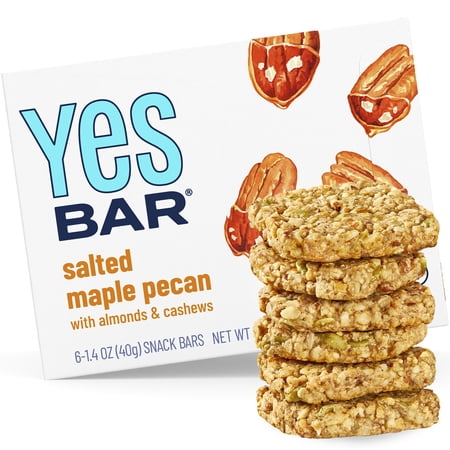
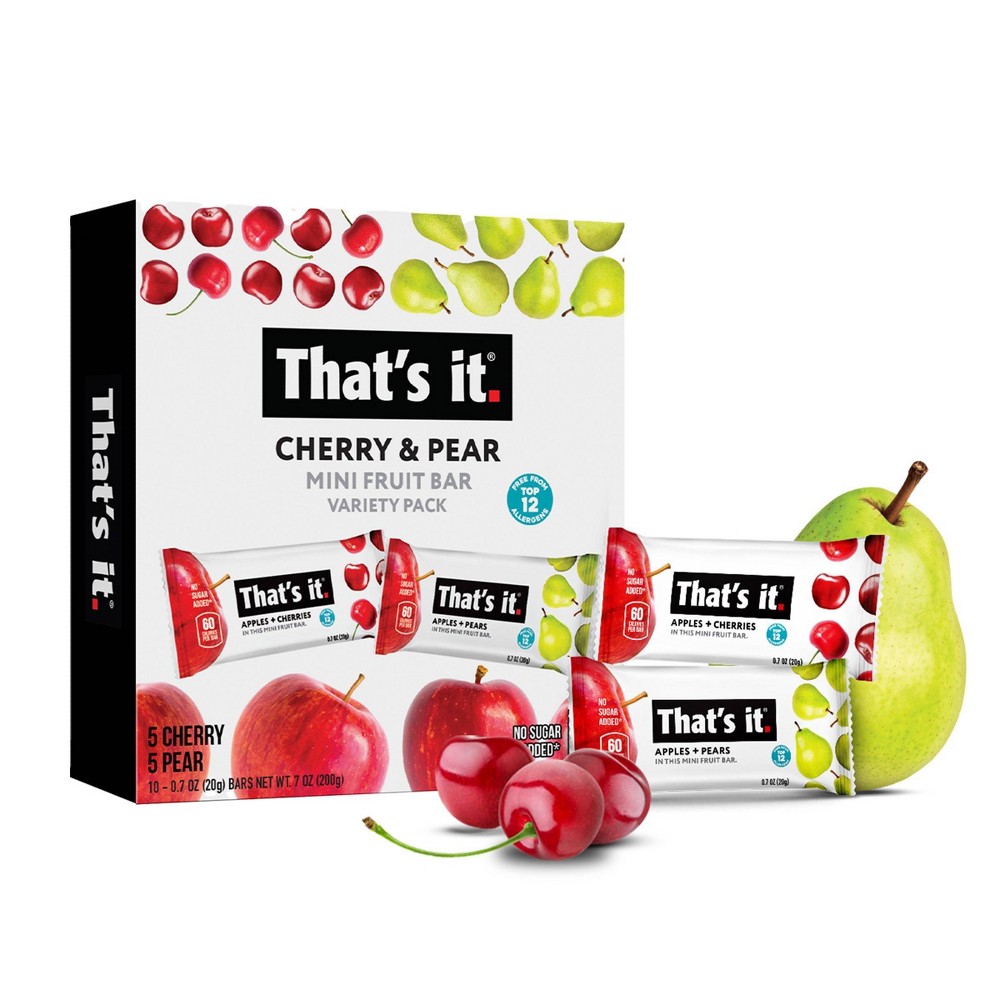
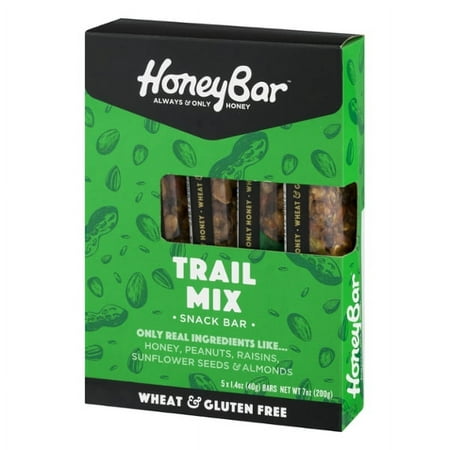

Organic Bar
Summary
The product contains a variety of beneficial ingredients like oat flour and dates, which are minimally processed and provide essential nutrients. However, it is classified as ultra-processed due to the presence of multiple additives, including natural flavors and emulsifiers, which detract from its overall healthiness. The processing level and the use of refined coconut oil and glycerin further limit its score, despite the organic certification and inclusion of some whole food ingredients.
At a glance
Key ingredients 12
Oat FlourGood
Oat flour is a whole grain ingredient that provides dietary fiber and essential nutrients. It is minimally processed and retains the bran and germ, which are rich in vitamins and minerals. Organic certification ensures it is free from synthetic pesticides and fertilizers.
Benefits
Rich in beta-glucans, which can help lower cholesterol levels and improve heart health.
DatesVery Good
Dates are a natural sweetener that provide essential nutrients and fiber. They are minimally processed and retain their natural sugars and nutrients. Organic dates ensure no synthetic pesticides are used.
Risks
High natural sugar content may not be suitable for those monitoring blood sugar levels.
Benefits
Rich in fiber, potassium, and antioxidants, supporting digestive health and providing energy.
Monk Fruit ConcentrateNeutral
Monk fruit concentrate is a natural sweetener with zero calories. It is derived from the monk fruit and is often used as a sugar substitute. The processing method retains its sweetness without adding calories.
Benefits
Provides sweetness without the calories of sugar, making it suitable for low-calorie diets.
Soluble Tapioca FiberGood
Soluble tapioca fiber is a prebiotic fiber that supports digestive health. It is derived from the cassava root and is used to increase fiber content in foods. The fiber is resistant to digestion, promoting gut health.
Risks
Excessive consumption may cause digestive discomfort in some individuals.
Benefits
Supports gut health by promoting the growth of beneficial bacteria.
Refined Coconut OilNeutral
Refined coconut oil is a source of medium-chain triglycerides (MCTs) that provide quick energy. It is processed to remove impurities and flavor, making it suitable for cooking. The refining process may reduce some beneficial compounds.
Risks
High in saturated fats, which may impact heart health if consumed in excess.
Benefits
Provides a stable cooking oil with a high smoke point and potential energy-boosting properties.
Tapioca SyrupNeutral
Tapioca syrup is a natural sweetener derived from cassava root. It is used as a binding agent and sweetener in processed foods. The syrup is less processed than high fructose corn syrup but still adds sugars to the diet.
Risks
Contributes to overall sugar intake, which should be moderated.
Benefits
Provides a natural alternative to more processed sweeteners.
Sunflower LecithinNeutral
Sunflower lecithin is an emulsifier that helps blend ingredients. It is derived from sunflower seeds and is considered a natural alternative to soy lecithin. The extraction process is typically free from harsh chemicals.
Benefits
May support brain health due to its phospholipid content.
Guar GumNeutral
Guar gum is a thickening agent derived from guar beans. It is used to improve texture and stability in food products. The gum is a soluble fiber that can aid in digestion.
Risks
Excessive consumption may lead to digestive issues such as bloating or gas.
Benefits
Can help improve the texture of food products and provide a source of soluble fiber.
Natural FlavorBad
Natural flavors are additives used to enhance taste, but their exact composition is often undisclosed. They can be derived from natural sources but may undergo significant processing. The lack of transparency can be concerning for those with allergies or sensitivities.
Risks
Potential allergen risk due to undisclosed ingredients.
Sea SaltGood
Unrefined sea salt — a minimally processed, natural source of sodium and essential trace minerals, and a legitimate whole-food seasoning. Treated as a positive ingredient.
Risks
Excessive sodium intake can lead to high blood pressure and cardiovascular issues.
Benefits
Provides essential minerals and enhances the flavor of foods.
Mixed TocopherolsGood
Mixed tocopherols are a form of vitamin E used as an antioxidant to preserve freshness. They are derived from natural sources and help prevent oxidation in food products. The presence of vitamin E can also provide health benefits.
Benefits
Acts as an antioxidant, protecting cells from oxidative damage and supporting immune function.
Vitamin CGood
Vitamin C is an essential nutrient that supports immune function and skin health. It is added to foods to enhance nutritional value and prevent oxidation. Ascorbic acid is a stable form used in food fortification.
Benefits
Supports immune health and acts as an antioxidant, protecting against free radical damage.
Processing
Ultra-Processed Foods
Get the full breakdown in the Scout app
Scan any product to see lab results, healthy alternatives, and your personalized analysis.
Download on theApp Store