


At a glance
Summary
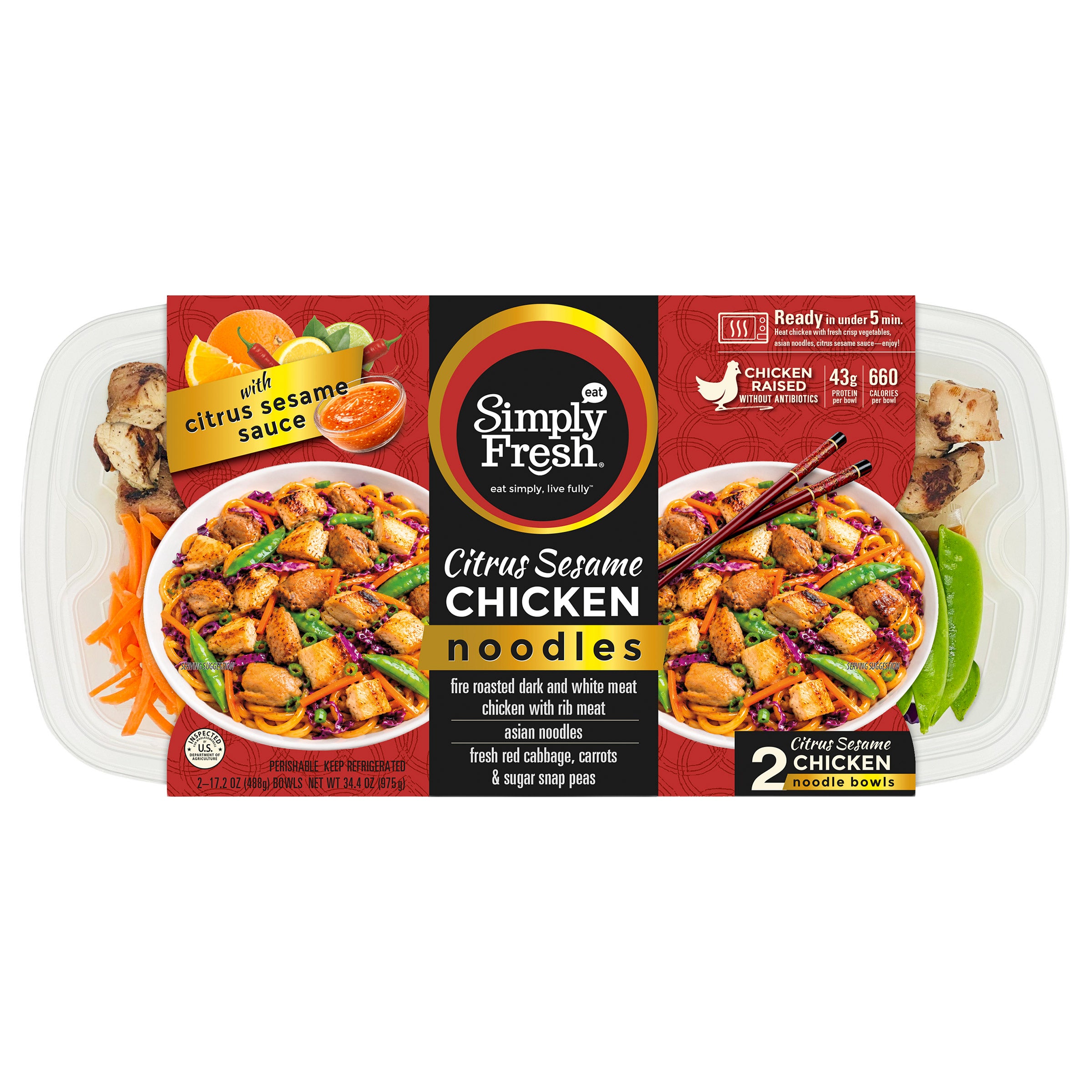
This product contains beneficial ingredients like snap peas, carrots, and red cabbage, which are minimally processed and provide essential nutrients and antioxidants. However, the presence of refined sugar, which adds unnecessary calories without nutritional benefits, and the overall processing level of the product limit its healthiness. The noodles also contain additives like sodium lactate and sodium alginate, which contribute to its processed nature.
Key ingredients 10
Snap PeasGood
Snap peas are a nutritious vegetable rich in vitamins and fiber. They provide antioxidants and support digestive health. They are minimally processed and retain most of their nutrients.
Benefits
Rich in vitamins A, C, and K, and provide dietary fiber that supports digestion.
CarrotsGood
Carrots are a nutrient-dense vegetable high in beta-carotene and fiber. They support eye health and provide antioxidants. They are minimally processed and retain their nutritional value.
Benefits
High in beta-carotene, which is converted to vitamin A, supporting vision and immune function.
Red CabbageGood
Red cabbage is a cruciferous vegetable rich in vitamins and antioxidants. It supports immune health and provides dietary fiber. It is minimally processed and retains its nutrients.
Benefits
Rich in vitamin C and anthocyanins, which have antioxidant properties and support overall health.
WaterNeutral
Water is used as a solvent and to hydrate the noodles. It is essential for the cooking process. It does not contribute any calories or nutrients.
Benefits
Essential for hydration and cooking, but does not provide nutritional benefits.
Tapioca StarchNeutral
Tapioca starch is used as a thickening agent and to improve texture. It is derived from cassava root. It is gluten-free and commonly used in gluten-free products.
Benefits
Provides a gluten-free alternative for thickening and improving texture in foods.
Lactic AcidNeutral
Lactic acid is used as a preservative and to add acidity. It is naturally occurring in fermented foods. It helps maintain the product's pH balance.
Benefits
Helps preserve food and maintain acidity, contributing to flavor and shelf life.
Sodium LactateNeutral
Sodium lactate is used as a preservative and to enhance flavor. It is a salt derived from lactic acid. It helps extend shelf life and improve taste.
Risks
Excessive consumption may contribute to high sodium intake.
Benefits
Acts as a preservative and flavor enhancer, contributing to product stability.
Sodium AlginateNeutral
Sodium alginate is used as a thickener and stabilizer. It is derived from brown seaweed. It helps improve texture and consistency in foods.
Benefits
Improves texture and stability in food products, derived from natural sources.
Wheat FlourBad
Refined grain flour stripped of bran and germ.
Risks
May cause allergic reactions in individuals with gluten intolerance or celiac disease.
Benefits
Provides a source of energy through carbohydrates, though it lacks fiber and some nutrients due to refining.
SugarBad
Refined sugar is used as a sweetener and can contribute to excess calorie intake. It lacks nutritional value and can lead to health issues if consumed in excess. It is often added to enhance flavor.
Risks
High consumption can lead to obesity, diabetes, and other metabolic disorders.
Benefits
Provides quick energy but lacks essential nutrients.
Processing
Processed Foods
Get the full breakdown in the Scout appTake Scout shopping
Scan any product to see lab results, healthy alternatives, and your personalized analysis.
Download on theApp Store GET IT ONGoogle Play