
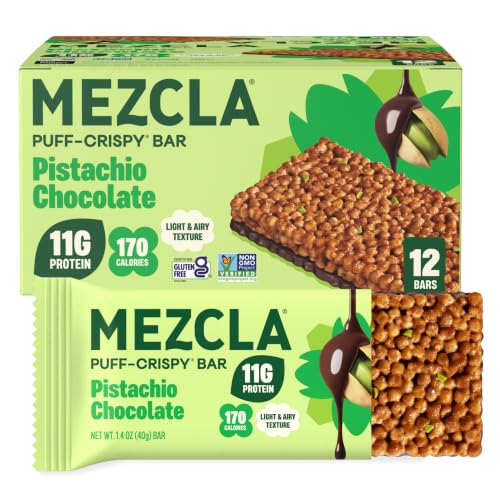
Pistachio Chocolate Puff-Crispy Bar
Summary
This snack bar contains several beneficial ingredients like almond butter, pistachios, and quinoa crisps, which provide healthy fats and protein. However, it is heavily processed, containing palm kernel oil and natural flavors, which are less desirable due to their saturated fat content and lack of transparency. The presence of multiple additives and its classification as an ultra-processed food further limit its healthiness despite some nutritious components.
At a glance
Key ingredients 18
Pea crispsGood
Pea crisps are a source of plant-based protein and fiber, contributing to satiety and digestive health. They are minimally processed compared to other snack ingredients. Pea crisps provide a gluten-free alternative to traditional grain-based crisps.
Benefits
Rich in protein and fiber, supporting muscle maintenance and digestive health.
Soluble tapioca fiberGood
Soluble tapioca fiber is a prebiotic fiber that supports gut health by promoting beneficial bacteria. It is derived from cassava root and is often used to improve texture and fiber content in foods. This fiber is a low-calorie option that can aid in digestive health.
Risks
Excessive consumption may cause digestive discomfort in sensitive individuals.
Benefits
Supports gut health and provides a low-calorie source of dietary fiber.
Organic tapioca syrupNeutral
Organic tapioca syrup is a natural sweetener derived from cassava root. It is less processed than high fructose corn syrup but still contributes to the sugar content of the product. While organic, it does not offer significant nutritional benefits beyond sweetness.
Risks
Contributes to overall sugar intake, which should be moderated.
Benefits
Provides a natural source of sweetness with fewer additives compared to refined sugars.
Almond butterVery Good
Almond butter is a nutrient-dense source of healthy fats, protein, and vitamins such as vitamin E. It is minimally processed and provides a creamy texture and rich flavor. Almond butter supports heart health and provides essential nutrients.
Risks
Potential allergen for individuals with nut allergies.
Benefits
Rich in monounsaturated fats and vitamin E, supporting heart health and providing antioxidant benefits.
Vegetable glycerinNeutral
Vegetable glycerin is used as a humectant to retain moisture in foods. It is derived from plant oils and is generally recognized as safe. While it helps maintain texture, it does not provide significant nutritional benefits.
Benefits
Helps maintain moisture and texture in food products.
Quinoa crispsGood
Quinoa crisps are made from quinoa, a complete protein source containing all essential amino acids. They are minimally processed and provide a crunchy texture. Quinoa crisps offer a gluten-free alternative with added nutritional benefits.
Benefits
Provides complete protein and essential amino acids, supporting muscle health.
Pea proteinNeutral
Pea protein is a plant-based protein source that is often used in vegan and vegetarian products. It is less processed than soy protein isolates but may not provide as complete an amino acid profile as animal-based proteins. Pea protein is a good alternative for those avoiding animal products.
Risks
May not provide as complete an amino acid profile as animal-based proteins.
Benefits
Offers a plant-based protein source suitable for vegan and vegetarian diets.
Palm kernel oilBad
Palm kernel oil is high in saturated fats, which can raise cholesterol levels if consumed in excess. It is often used in processed foods due to its stability and texture-enhancing properties. The production of palm oil is associated with environmental concerns such as deforestation.
Risks
High in saturated fats, which may contribute to heart disease if consumed excessively.
Benefits
Provides stability and texture in food products.
Organic sugarNeutral
Organic sugar is less processed than refined white sugar and retains some molasses content. It is used as a sweetener in many food products. While organic, it still contributes to the overall sugar content and should be consumed in moderation.
Risks
Contributes to overall sugar intake, which should be moderated.
Benefits
Provides a natural source of sweetness with fewer additives compared to refined sugars.
PistachioVery Good
Pistachios are nutrient-dense nuts rich in healthy fats, protein, and antioxidants. They provide a good source of vitamins and minerals such as vitamin B6 and potassium. Pistachios support heart health and may aid in weight management due to their high fiber content.
Risks
Potential allergen for individuals with nut allergies.
Benefits
Rich in healthy fats, protein, and antioxidants, supporting heart health and providing essential nutrients.
Unsweetened chocolateGood
Unsweetened chocolate is a source of antioxidants and minerals such as magnesium and iron. It is minimally processed and provides a rich chocolate flavor without added sugars. Unsweetened chocolate supports heart health and may improve mood due to its flavonoid content.
Benefits
Rich in antioxidants and minerals, supporting heart health and providing a rich chocolate flavor.
Coconut oilGood
Coconut oil is a source of medium-chain triglycerides (MCTs), which are easily metabolized for energy. It is less processed than many other oils and provides a unique flavor profile. Coconut oil supports metabolic health and may have antimicrobial properties.
Risks
High in saturated fats, which should be consumed in moderation.
Benefits
Provides MCTs that support energy metabolism and may have antimicrobial properties.
Cocoa powderGood
Cocoa powder is rich in flavonoids, which are antioxidants that support heart health. It is minimally processed and provides a deep chocolate flavor. Cocoa powder may improve mood and cognitive function due to its theobromine content.
Benefits
Rich in antioxidants that support heart health and may improve mood.
Natural flavorBad
Natural flavors are often used to enhance taste but can be derived from complex mixtures of chemicals. They lack transparency in terms of specific ingredients and processing methods. While not inherently harmful, they do not provide nutritional benefits and may cause sensitivities in some individuals.
Risks
May cause sensitivities or allergic reactions in some individuals due to lack of transparency.
Vanilla extractGood
Vanilla extract is derived from vanilla beans and provides a natural flavoring with antioxidant properties. It is minimally processed and adds a rich aroma and taste to foods. Vanilla extract may have calming effects and enhance the flavor profile of products.
Benefits
Provides natural flavoring with antioxidant properties and may have calming effects.
Sea saltGood
Unrefined sea salt — a minimally processed, natural source of sodium and essential trace minerals, and a legitimate whole-food seasoning. Treated as a positive ingredient.
Risks
Excessive consumption may contribute to high blood pressure and cardiovascular issues.
Benefits
Contains trace minerals and enhances flavor.
Sunflower lecithinNeutral
Sunflower lecithin is used as an emulsifier to improve texture and consistency in foods. It is derived from sunflower seeds and is considered a safer alternative to soy lecithin for those with soy allergies. While it aids in food processing, it does not provide significant nutritional benefits.
Benefits
Acts as an emulsifier, improving texture and consistency in food products.
HazelnutsVery Good
Hazelnuts are rich in healthy fats, vitamins, and minerals, including vitamin E and magnesium. They provide a crunchy texture and nutty flavor, enhancing the sensory experience of foods. Hazelnuts support heart health and may improve cognitive function due to their nutrient profile.
Risks
Potential allergen for individuals with nut allergies.
Benefits
Rich in healthy fats and nutrients, supporting heart health and cognitive function.
Processing
Ultra-Processed Foods
Get the full breakdown in the Scout app
Scan any product to see lab results, healthy alternatives, and your personalized analysis.
Download on theApp Store