


At a glance
Summary
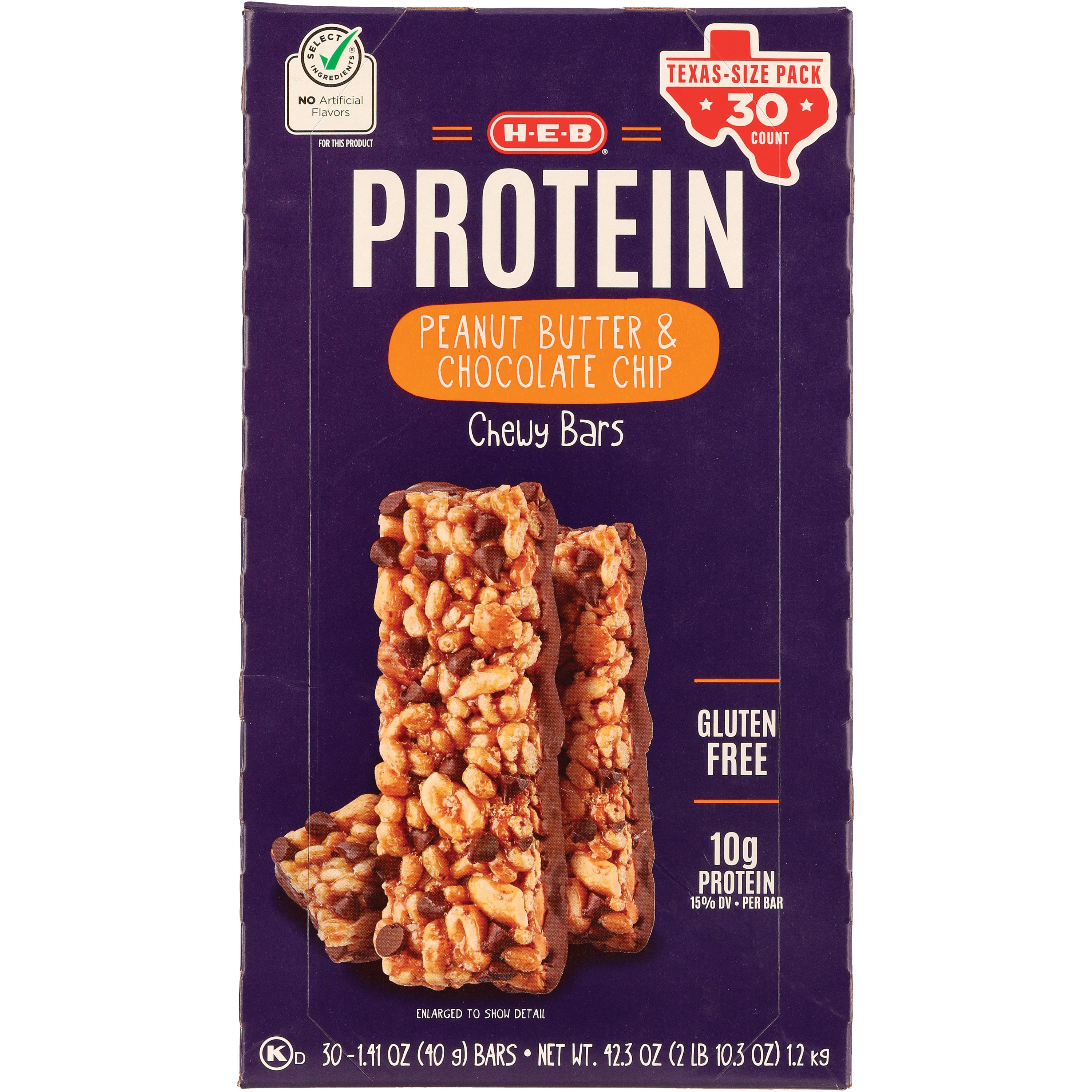
This snack bar contains several beneficial ingredients like pea crisps, peanut butter, and quinoa crisps, which provide protein and fiber. However, it also includes palm kernel oil, which is high in saturated fats and less healthy compared to other oils. The product is moderately processed, which limits its score despite the presence of some nutritious components.
Key ingredients 9
Pea CrispsGood
Pea crisps are a source of plant-based protein and fiber, contributing to satiety and digestive health. They are minimally processed, retaining much of the nutritional value of whole peas. Compared to other snack ingredients, they offer a healthier alternative with lower fat content.
Benefits
Rich in protein and fiber, supporting muscle maintenance and digestive health.
Peanut ButterGood
Peanut butter is a nutrient-dense food rich in healthy fats, protein, and various vitamins and minerals. It is minimally processed when made from pure peanuts. Compared to other spreads, it offers a good balance of macronutrients and micronutrients.
Risks
Potential allergen for individuals with peanut allergies.
Benefits
Rich in healthy fats and protein, supporting heart health and muscle maintenance.
Soluble Tapioca FiberGood
Soluble tapioca fiber is a prebiotic fiber that supports digestive health by promoting beneficial gut bacteria. It is derived from tapioca and is used to increase fiber content in foods. Compared to other fibers, it is well-tolerated and does not cause digestive discomfort.
Benefits
Supports digestive health and helps maintain healthy blood sugar levels.
Quinoa CrispsGood
Quinoa crisps are made from quinoa, a whole grain known for its high protein and fiber content. They are minimally processed, retaining much of the nutritional benefits of quinoa. Compared to other grains, quinoa is a complete protein source.
Benefits
Rich in protein and fiber, supporting muscle growth and digestive health.
Pea ProteinNeutral
Pea protein is a plant-based protein source that provides essential amino acids. It is often used as a supplement in vegan and vegetarian diets. While it is a good protein source, it may not be as complete as animal-based proteins.
Benefits
Provides a plant-based protein option that supports muscle growth and repair.
Rice StarchNeutral
Rice starch is used as a thickening agent and provides a smooth texture in food products. It is derived from rice and is generally considered safe and hypoallergenic. It does not offer significant nutritional benefits beyond its functional use.
Benefits
Provides texture and consistency to food products without significant nutritional impact.
Vegetable GlycerinNeutral
Vegetable glycerin is a sugar alcohol used as a sweetener and humectant in food products. It is derived from plant oils and is generally recognized as safe. While it provides sweetness, it does not significantly impact blood sugar levels.
Risks
Excessive consumption may cause digestive discomfort.
Benefits
Provides sweetness and moisture retention without significantly affecting blood sugar.
Organic Tapioca SyrupBad
Processed additive flagged under Scout's ingredient doctrine.
Risks
Excessive consumption may contribute to increased blood sugar levels.
Benefits
Provides a natural sweetening option with a lower glycemic index than some other sweeteners.
Palm KernelBad
Palm kernel oil is high in saturated fats, which may contribute to increased cholesterol levels and heart disease risk. It is often used in processed foods due to its stability and long shelf life. Compared to other oils, it lacks the beneficial fatty acids found in healthier oils like olive or avocado oil.
Risks
High saturated fat content may increase the risk of heart disease when consumed in excess.
Benefits
Provides a stable fat source for food processing, but lacks significant health benefits.
Processing
Processed Foods
Get the full breakdown in the Scout appTake Scout shopping
Scan any product to see lab results, healthy alternatives, and your personalized analysis.
Download on theApp Store GET IT ONGoogle Play