
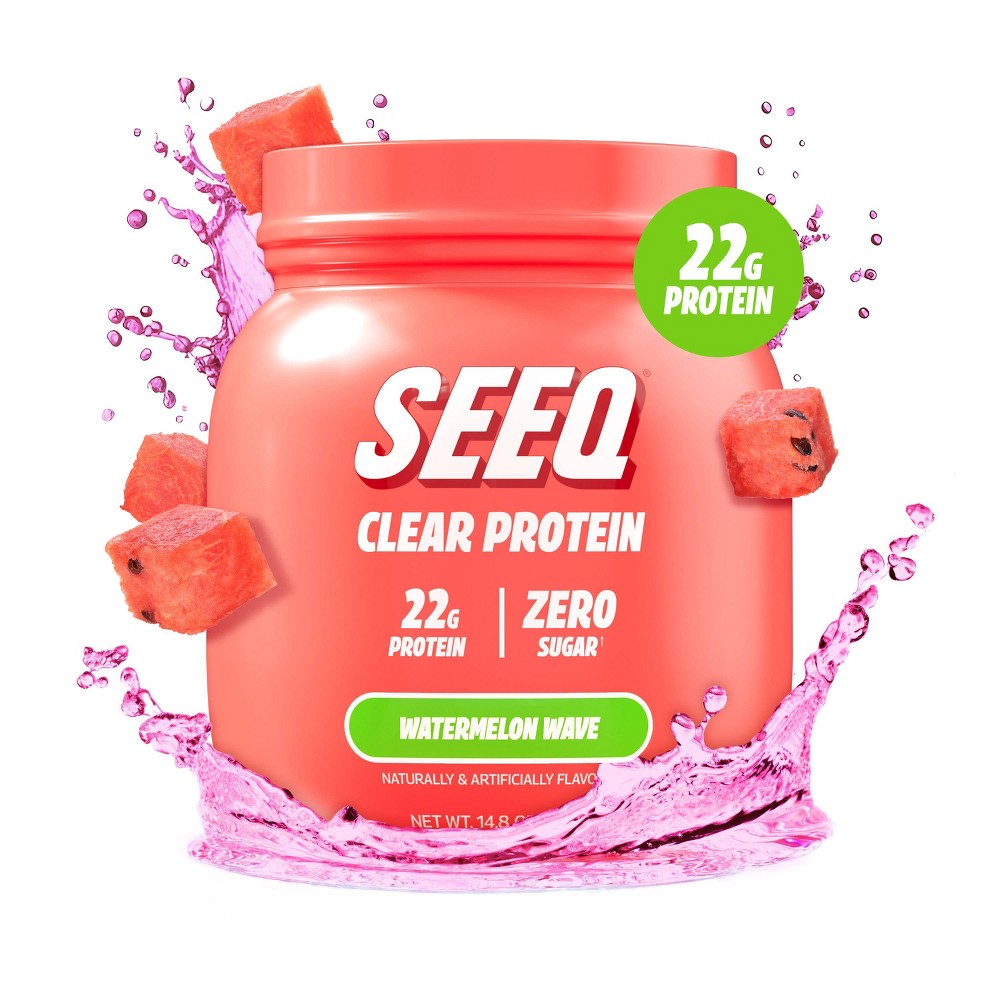


Seeq Clear Protein Powder - Watermelon Wave - Whey Protein Isolate - 15 Servings
Analysis updated August 2026 · How Scout scores
At a glance
Summary
This protein powder features whey protein isolate, a high-quality protein source that is beneficial for muscle repair and growth. However, the presence of sucralose, an artificial sweetener, and polysorbate 80, a synthetic emulsifier, raises concerns about potential impacts on gut health and metabolic effects. The use of natural flavors and multiple additives contributes to a higher level of processing, which affects the overall score.
Key ingredients 9
Whey Protein IsolateGood
Whey protein isolate is a high-quality protein source with a complete amino acid profile, beneficial for muscle repair and growth. It is derived from milk and undergoes processing to remove most fats and lactose, making it suitable for those with lactose intolerance. Compared to other protein sources, it offers superior bioavailability and digestibility.
Benefits
Rich in essential amino acids, it supports muscle recovery and growth, and is easily digestible.
Malic AcidNeutral
Malic acid is a naturally occurring acid found in fruits, used to enhance flavor and acidity. It is generally recognized as safe and is commonly used in food products. It does not provide significant nutritional benefits but can improve the taste profile of the product.
Benefits
Enhances flavor and acidity without contributing calories.
Vegetable Juice (Color)Neutral
Vegetable juice is used as a natural coloring agent, providing color without artificial dyes. It is derived from vegetables and is generally considered safe. It does not contribute significant nutritional value but is a preferable alternative to synthetic colors.
Benefits
Provides natural color without artificial additives.
Reb A (Stevia)Neutral
Reb A is a steviol glycoside derived from the stevia plant, used as a natural sweetener. It is calorie-free and does not raise blood sugar levels, making it suitable for diabetics. It is a natural alternative to artificial sweeteners.
Benefits
Provides sweetness without calories or impacting blood sugar levels.
Beta Carotene (Color)Neutral
Beta carotene is a natural pigment used for coloring, also a precursor to vitamin A. It is generally recognized as safe and provides a natural alternative to synthetic dyes. While it can contribute to vitamin A intake, the amounts used for coloring are typically not significant.
Benefits
Natural colorant and precursor to vitamin A.
Silicone (Anti-Foam)Neutral
Silicone is used as an anti-foaming agent to prevent excessive froth in liquid products. It is considered safe for consumption in small amounts and is commonly used in food processing. It does not provide nutritional benefits but aids in product consistency.
Benefits
Helps maintain product consistency by reducing foam.
Natural FlavorsBad
Natural flavors are a catch-all term for flavoring agents derived from natural sources but can be highly processed. The lack of transparency in their composition can be concerning for those with allergies or sensitivities. They do not provide nutritional benefits and can mask the quality of the product.
Risks
Potential allergenicity and lack of transparency in ingredient sourcing.
SucraloseBad
Sucralose is an artificial sweetener used to provide sweetness without calories. It is chemically altered to be non-caloric, but concerns exist about its impact on gut health and potential metabolic effects. While it is FDA-approved, its long-term health impacts are still debated.
Risks
May affect gut microbiota and has potential metabolic effects.
Benefits
Provides sweetness without adding calories.
Polysorbate 80Bad
Polysorbate 80 is an emulsifier used to improve texture and stability in processed foods. It is a synthetic compound that can cause allergic reactions in sensitive individuals. Its use in food products is controversial due to potential impacts on gut health.
Risks
Potential allergen and may impact gut health.
Benefits
Improves texture and stability of the product.
Processing
Ultra-Processed Foods
Get the full breakdown in the Scout appTake Scout shopping
Scan any product to see lab results, healthy alternatives, and your personalized analysis.
Download on theApp Store GET IT ONGoogle Play