



At a glance
Summary
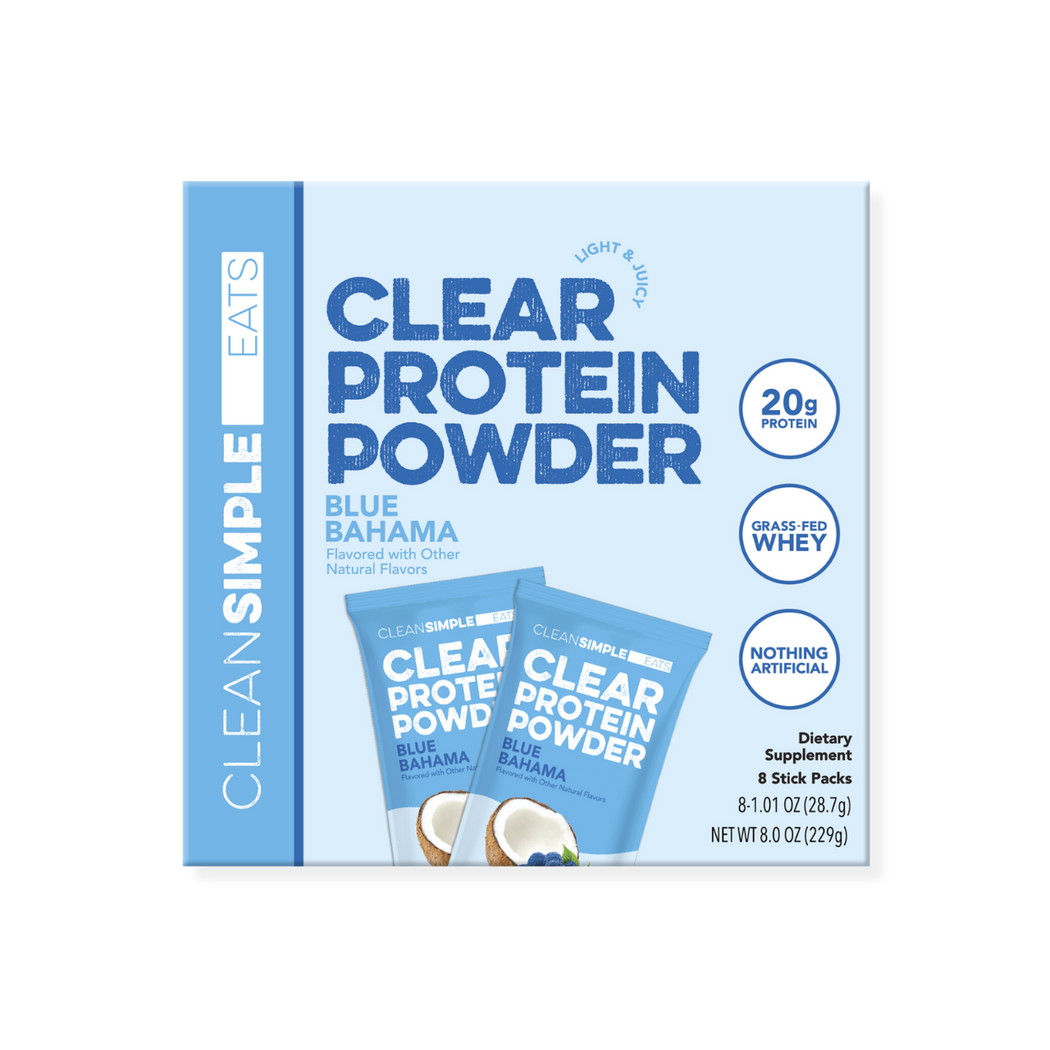
This protein powder contains a high percentage of hydrolyzed pea protein, which is a quality plant-based protein source. However, the inclusion of sucralose as an artificial sweetener and unspecified 'flavors' raises concerns about potential negative effects on gut health and transparency. Additionally, the use of synthetic antifoaming agents, while common in processing, does not contribute to nutritional value and slightly detracts from the overall formulation quality.
Key ingredients 8
Raspberry Juice PowderGood
Raspberry juice powder is derived from raspberries and retains some of the fruit's natural antioxidants and vitamins. It adds natural flavor and color without artificial additives. The processing method preserves some nutritional benefits of the original fruit.
Benefits
Contains antioxidants and vitamins that can contribute to overall health.
Hydrolyzed Pea ProteinNeutral
Hydrolyzed pea protein is a plant-based protein source that provides a decent amino acid profile. It is less complete compared to animal-based proteins but is a good option for vegans. The hydrolysis process can improve digestibility and absorption.
Benefits
Provides a plant-based protein source that is suitable for vegans and those with dairy allergies.
Vitamin B BlendNeutral
The vitamin B blend includes essential B vitamins like niacin, pantothenic acid, and others that support energy metabolism. These vitamins are crucial for various bodily functions but are typically consumed in adequate amounts through a balanced diet. The blend is beneficial for those with specific deficiencies.
Benefits
Supports energy metabolism and overall health, especially beneficial for those with dietary deficiencies.
Citric AcidNeutral
Citric acid is a common food additive used to add acidity and enhance flavor. It is generally recognized as safe but can cause dental erosion if consumed in large amounts. It is naturally found in citrus fruits.
Risks
Excessive consumption may lead to dental erosion.
Beet RedNeutral
Beet red is a natural colorant derived from beets, used to provide color without artificial dyes. It is generally considered safe and preferable to synthetic colorants. The natural origin of beet red makes it a better choice for those avoiding artificial additives.
Benefits
Provides natural color without the use of synthetic dyes.
FlavorsBad
The term 'flavors' is a catch-all that can include a variety of artificial and natural flavoring agents. This lack of specificity makes it difficult to assess the health impact. Such ingredients are often used to enhance taste but may include undesirable additives.
Risks
Potential inclusion of artificial additives that may have health concerns.
Antifoaming AgentsBad
Antifoaming agents like dimethylpolysiloxane and silicon dioxide are used to prevent foam formation. These are synthetic additives with no nutritional value. Their inclusion is primarily for processing convenience rather than health benefits.
Risks
Potential concerns about synthetic additives and their long-term health effects.
SucraloseBad
Sucralose is an artificial sweetener used to provide sweetness without calories. It is controversial due to potential negative effects on gut health and metabolism. While it is FDA-approved, some studies suggest it may alter gut microbiota.
Risks
Potential negative effects on gut health and metabolism.
Benefits
Provides sweetness without adding calories, which can be beneficial for weight management.
Processing
Processed Foods
Get the full breakdown in the Scout appTake Scout shopping
Scan any product to see lab results, healthy alternatives, and your personalized analysis.
Download on theApp Store GET IT ONGoogle Play