


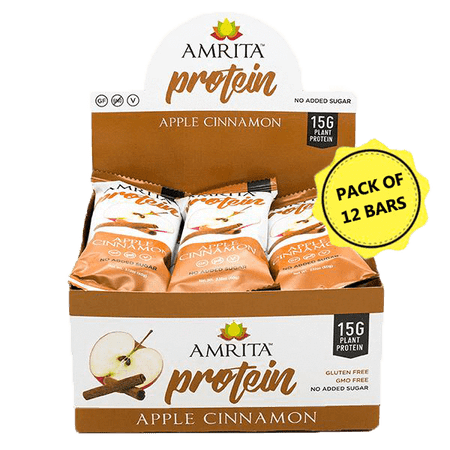


PLANT BASED PROTEIN BAR COCOA FOR COCONUTS
Summary
This plant-based protein bar contains beneficial ingredients like almonds, organic pea protein, and fairly traded cocoa powder, which contribute to its nutritional value. However, it is heavily processed and includes ingredients such as organic cane sugar, palm oil, and natural flavors, which are less desirable due to their health and environmental impacts. The presence of these processed ingredients and the overall level of processing limit its healthiness despite the presence of some high-quality components.
At a glance
Key ingredients 12
Tapioca SyrupNeutral
Tapioca syrup is a natural sweetener derived from cassava root. It is less processed than high fructose corn syrup but still contributes to the sugar content of the product. It provides a source of carbohydrates but lacks significant nutritional benefits.
Risks
Excessive consumption may contribute to elevated blood sugar levels.
Benefits
Provides a source of energy through carbohydrates.
Cassava Root FlourNeutral
Cassava root flour is a gluten-free flour alternative made from the whole root. It is minimally processed and retains some fiber content. However, it is primarily a carbohydrate source with limited protein and fat.
Benefits
Offers a gluten-free alternative for those with gluten sensitivities.
Brown Rice ProteinGood
Brown rice protein is a plant-based protein source that is hypoallergenic and easily digestible. It provides a good amino acid profile, though not as complete as animal-based proteins. It is a suitable option for those avoiding dairy or soy.
Benefits
Provides a plant-based protein source that supports muscle maintenance and repair.
Organic Pea ProteinGood
Organic pea protein is a high-quality plant-based protein that is rich in essential amino acids. It is minimally processed and free from common allergens like dairy and soy. It supports muscle growth and repair, making it a popular choice in plant-based diets.
Benefits
Rich in essential amino acids and supports muscle growth and repair.
AlmondsVery Good
Almonds are a nutrient-dense nut rich in healthy fats, protein, and fiber. They provide essential vitamins and minerals such as vitamin E and magnesium. Almonds support heart health and may help in weight management due to their satiating properties.
Risks
Potential allergen for individuals with tree nut allergies.
Benefits
Rich in monounsaturated fats, protein, and fiber, supporting heart health and satiety.
Organic Cane SugarBad
Organic cane sugar is a refined sugar that contributes to the overall sugar content of the product. While organic, it still poses similar health concerns as conventional sugar. Excessive consumption can lead to health issues such as obesity and diabetes.
Risks
High sugar intake can contribute to obesity, diabetes, and other metabolic disorders.
Palm OilBad
Palm oil is a widely used vegetable oil that is high in saturated fats. Its production is often associated with environmental concerns such as deforestation. While it provides a stable cooking fat, its health benefits are limited compared to other oils.
Risks
High in saturated fats, which may contribute to heart disease if consumed in excess.
Benefits
Provides a stable cooking fat with a long shelf life.
Fairly Traded Cocoa PowderGood
Fairly traded cocoa powder is sourced ethically, ensuring fair wages for farmers. It is rich in antioxidants and can support cardiovascular health. The fair trade certification indicates a commitment to sustainable and ethical practices.
Benefits
Rich in antioxidants that support cardiovascular health.
Natural FlavorsBad
Natural flavors are a catch-all term for flavoring agents derived from natural sources. They are highly processed and can contain a variety of chemical compounds. The lack of transparency in their composition raises concerns about potential allergens and additives.
Risks
Potential allergens and additives due to lack of transparency in composition.
Sea SaltGood
Unrefined sea salt — a minimally processed, natural source of sodium and essential trace minerals, and a legitimate whole-food seasoning. Treated as a positive ingredient.
Risks
Excessive sodium intake can contribute to hypertension and cardiovascular disease.
Benefits
Provides essential trace minerals and enhances flavor.
Organic CoconutGood
Organic coconut is a nutrient-rich ingredient that provides healthy fats and fiber. It is minimally processed and retains its natural nutrients. Coconut supports heart health and provides a source of energy.
Risks
Potential allergen for individuals with coconut allergies.
Benefits
Rich in healthy fats and fiber, supporting heart health and providing energy.
Sunflower LecithinNeutral
Sunflower lecithin is an emulsifier derived from sunflower seeds. It is used to improve texture and consistency in food products. While it is a more natural alternative to soy lecithin, it does not provide significant nutritional benefits.
Benefits
Improves texture and consistency in food products.
Processing
Ultra-Processed Foods
Get the full breakdown in the Scout app
Scan any product to see lab results, healthy alternatives, and your personalized analysis.
Download on theApp Store