

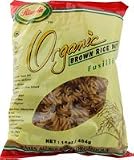


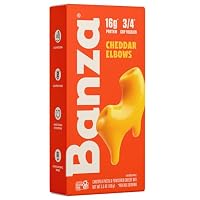
Gluten Free Brown Rice Pasta Cheddar Shells
Analysis updated June 2026 · How Scout scores
At a glance
Summary
This pasta product features beneficial ingredients like brown rice and chickpeas, which are minimally processed and provide essential nutrients and fiber. However, the presence of 'natural flavors' introduces a level of processing that raises concerns due to the lack of transparency and potential for allergens. While the product is processed, it avoids major harmful ingredients, allowing it to maintain a moderate score.
Key ingredients 11
Brown RiceGood
Brown rice is a whole grain that provides essential nutrients and fiber. It is minimally processed, retaining its bran and germ, which contain beneficial compounds. Compared to refined grains, it offers more vitamins and minerals.
Benefits
Rich in fiber, vitamins, and minerals, supporting digestive health and providing sustained energy.
ChickpeasGood
Chickpeas are a nutrient-dense legume high in protein and fiber. They are minimally processed and provide essential amino acids and micronutrients. Their low glycemic index helps in maintaining stable blood sugar levels.
Benefits
High in protein and fiber, supporting satiety and digestive health. Provides essential nutrients like iron and folate.
Cheddar CheeseGood
Beneficial ingredient — whole-food or functional value in this product class.
Risks
High in saturated fat and sodium, which may contribute to cardiovascular issues if consumed in excess.
Benefits
Provides calcium and protein, supporting bone health and muscle maintenance.
Cultured Pasteurized MilkNeutral
Cultured pasteurized milk is used in cheese production to enhance flavor and texture. The pasteurization process ensures safety by eliminating harmful bacteria. It contributes to the nutritional profile of dairy products.
Benefits
Contributes to the development of beneficial probiotics and enhances the nutritional value of dairy products.
SaltNeutral
Salt is used as a seasoning and preservative in food products. It is a processed culinary ingredient that enhances flavor. While necessary for bodily functions, excessive intake can lead to health issues.
Risks
Excessive consumption can lead to hypertension and cardiovascular diseases.
Benefits
Essential for maintaining fluid balance and nerve function.
Cheese CulturesNeutral
Cheese cultures are bacteria used in the fermentation process of cheese making. They are essential for developing flavor and texture in cheese. These cultures are generally considered safe and beneficial for gut health.
Benefits
Contributes to the development of probiotics, which can support digestive health.
EnzymesNeutral
Enzymes are used in cheese production to aid in the coagulation of milk. They are natural proteins that facilitate biochemical reactions. Their use is standard in cheese making and poses no health concerns.
Benefits
Essential for the cheese-making process, contributing to texture and flavor development.
WheyNeutral
Liquid whey as a minor dairy ingredient — benign.
Benefits
Excellent source of protein, supporting muscle maintenance and recovery.
ButtermilkNeutral
Buttermilk is a fermented dairy product that adds flavor and texture to foods. It is low in fat and contains beneficial probiotics. Its fermentation process enhances digestibility and nutrient absorption.
Benefits
Contains probiotics that support gut health and digestion.
LacticNeutral
Lactic acid is used in food products as a preservative and flavoring agent. It is naturally occurring and produced through fermentation. It is generally recognized as safe and contributes to the tangy flavor in dairy products.
Benefits
Acts as a preservative and enhances flavor without significant health concerns.
Natural FlavorsBad
Natural flavors are additives used to enhance taste, often derived from plant or animal sources. They are highly processed and can contain multiple compounds. The lack of transparency in their composition raises concerns about potential allergens and sensitivities.
Risks
Potential allergens and sensitivities due to undisclosed compounds.
Processing
Processed Foods
Get the full breakdown in the Scout appTake Scout shopping
Scan any product to see lab results, healthy alternatives, and your personalized analysis.
Download on theApp Store GET IT ONGoogle PlayAmazon pricing & content
Amazon price as of . Product prices and availability are accurate as of the date/time indicated and are subject to change. Any price and availability information displayed on Amazon.com at the time of purchase will apply to the purchase of this product.
CERTAIN CONTENT THAT APPEARS ON THIS SITE COMES FROM AMAZON. THIS CONTENT IS PROVIDED “AS IS” AND IS SUBJECT TO CHANGE OR REMOVAL AT ANY TIME.