
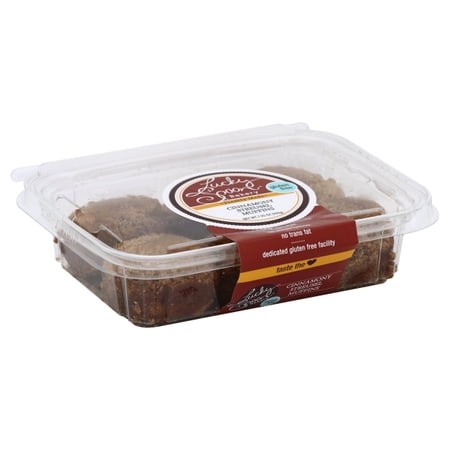

LUCKY SPOON: MUFFIN GF CNNMN STREUSEL (7.250 OZ)
Analysis updated June 2026 · How Scout scores
At a glance
Summary
This muffin contains a mix of beneficial ingredients like eggs, butter, and cultured buttermilk, which contribute to its nutritional profile. However, it also includes processed components such as soy lecithin and a high sugar content, which detract from its overall healthiness. The product is moderately processed, which limits its score despite the presence of some quality ingredients.
Key ingredients 11
EggsGood
Eggs are a high-quality source of protein and essential nutrients. They provide structure and richness to baked goods. Eggs contain vitamins and minerals such as vitamin B12 and selenium.
Risks
Potential allergen for some individuals.
Benefits
Rich in protein and essential nutrients, supporting muscle health and overall nutrition.
ButterGood
Butter is a natural fat that adds flavor and richness to baked goods. It contains fat-soluble vitamins like A, D, and E. When sourced from grass-fed cows, it provides beneficial omega-3 fatty acids.
Risks
High in saturated fat, which should be consumed in moderation.
Benefits
Adds flavor and richness, and provides fat-soluble vitamins and beneficial fatty acids when grass-fed.
Cultured ButtermilkGood
Cultured buttermilk is a fermented dairy product that adds tangy flavor and moisture to baked goods. It contains probiotics that may support gut health. It is lower in fat than regular milk, making it a lighter option.
Risks
Potential allergen for those with lactose intolerance or dairy allergies.
Benefits
Provides probiotics and a tangy flavor, enhancing the texture and taste of baked goods.
White Rice FlourNeutral
White rice flour is a common gluten-free flour alternative. It is refined and lacks the fiber and nutrients found in whole grain flours. It is suitable for those with gluten intolerance but offers limited nutritional benefits.
Benefits
Provides a gluten-free option for baking, making it suitable for those with celiac disease or gluten sensitivity.
Potato StarchNeutral
Potato starch is used as a thickener and gluten-free flour alternative. It is highly refined and primarily provides carbohydrates without significant nutrients. It is useful in gluten-free baking for its binding properties.
Benefits
Helps improve texture and moisture retention in gluten-free baked goods.
Potato FlourNeutral
Potato flour is made from whole potatoes and retains more nutrients than potato starch. It is used in gluten-free baking to add moisture and flavor. It is less refined than potato starch but still lacks significant fiber.
Benefits
Adds flavor and moisture to gluten-free baked goods, enhancing texture.
LeaveningNeutral
Leavening agents like sodium bicarbonate and monocalcium phosphate are used to help baked goods rise. They are essential for texture and volume in baking. These are common and generally safe food additives.
Benefits
Essential for achieving the desired texture and volume in baked goods.
SaltNeutral
Salt is used to enhance flavor and preserve food. It is a common seasoning in baked goods. While necessary in small amounts, excessive intake can lead to health issues like hypertension.
Risks
High sodium intake can contribute to hypertension and cardiovascular issues.
Benefits
Enhances flavor and acts as a preservative in food products.
Brown SugarBad
Processed additive flagged under Scout's ingredient doctrine.
Risks
Excessive consumption can contribute to weight gain and dental issues.
Benefits
Adds flavor and moisture to baked goods, enhancing taste and texture.
Invert SugarBad
Processed additive flagged under Scout's ingredient doctrine.
Risks
Excessive consumption can lead to weight gain and increased risk of metabolic disorders.
Benefits
Helps retain moisture and improve texture in baked goods.
Soy LecithinBad
Soy lecithin is an emulsifier used to improve texture and shelf life. It is a processed ingredient derived from soybeans. While generally recognized as safe, it is a refined additive with minimal nutritional value.
Risks
May cause allergic reactions in individuals sensitive to soy.
Benefits
Improves texture and shelf life of products by acting as an emulsifier.
Processing
Processed Foods
Get the full breakdown in the Scout appTake Scout shopping
Scan any product to see lab results, healthy alternatives, and your personalized analysis.
Download on theApp Store GET IT ONGoogle Play