


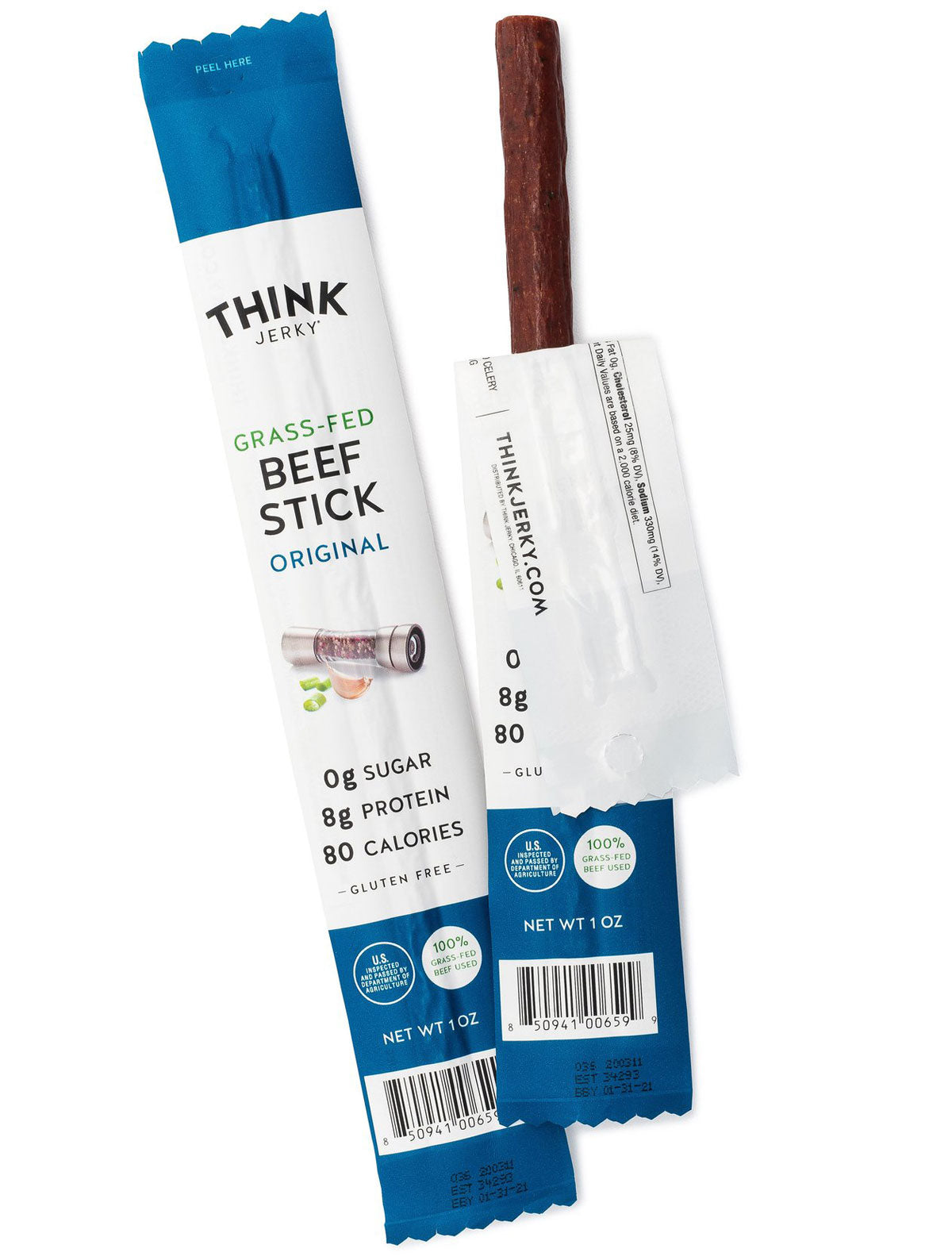


Paleovalley: 100% Grass Fed Beef Sticks - Naturally Fermented Grass-fed...
Analysis updated August 2026 · How Scout scores
At a glance
Summary
This product features high-quality ingredients such as 100% grass-fed beef and organic spices, which contribute to its nutritional value and clean label. The use of organic raw honey as a sweetener is a healthier alternative to refined sugars, and the absence of artificial additives or seed oils enhances its health profile. Despite being processed, the ingredient list is exceptionally clean, allowing it to achieve a high score within its category.
Key ingredients 15
Grass fed beefVery Good
Grass-fed beef is a high-quality protein source with a rich amino acid profile. It is typically higher in omega-3 fatty acids and antioxidants compared to grain-fed beef. The grass-fed label indicates better animal welfare and environmental practices.
Benefits
Rich in essential amino acids and beneficial omega-3 fatty acids, supporting muscle growth and cardiovascular health.
Organic raw honeyGood
Organic raw honey is a natural sweetener with antioxidant properties. It contains trace amounts of vitamins and minerals and is less processed than refined sugars. The organic certification ensures no synthetic pesticides or fertilizers were used.
Risks
Excessive consumption can contribute to increased blood sugar levels.
Benefits
Provides natural sweetness and contains antioxidants that may support immune health.
Sea saltGood
Sea salt is a minimally processed source of sodium and trace minerals. It is often preferred over refined table salt due to its natural mineral content. The use of sea salt can enhance flavor without the need for excessive additives.
Risks
High sodium intake can lead to increased blood pressure in sensitive individuals.
Benefits
Contains trace minerals that support electrolyte balance and overall health.
Organic gingerGood
Organic ginger is known for its anti-inflammatory and antioxidant properties. It is used traditionally to aid digestion and reduce nausea. The organic label ensures it is free from synthetic pesticides.
Benefits
May aid in digestion and reduce inflammation, contributing to overall well-being.
Organic paprikaGood
Organic paprika is a spice rich in antioxidants, particularly carotenoids. It adds flavor and color to foods without the need for artificial additives. The organic certification ensures it is free from synthetic chemicals.
Benefits
Provides antioxidants that may support eye health and reduce oxidative stress.
Organic onionGood
Organic onion is a flavorful vegetable with antioxidant properties. It contains quercetin, which may have anti-inflammatory effects. The organic certification ensures it is grown without synthetic chemicals.
Benefits
May support heart health and provide anti-inflammatory benefits.
Organic coconut sapGood
Organic coconut sap is a natural sweetener with a low glycemic index. It contains trace amounts of vitamins and minerals. The organic certification ensures it is free from synthetic pesticides.
Benefits
Offers a natural sweetness with a lower impact on blood sugar levels compared to refined sugars.
Organic garlicGood
Organic garlic is known for its potential cardiovascular benefits and antimicrobial properties. It contains allicin, which may support heart health. The organic label ensures it is free from synthetic chemicals.
Benefits
May support heart health and provide antimicrobial benefits.
Organic cayenne pepperGood
Organic cayenne pepper is a spice known for its capsaicin content, which may boost metabolism. It adds heat and flavor to foods without artificial additives. The organic certification ensures it is free from synthetic chemicals.
Risks
May cause digestive discomfort in sensitive individuals.
Benefits
May boost metabolism and provide antioxidant benefits.
Organic nutmegNeutral
Organic nutmeg is a spice used for its aromatic properties. It is typically used in small quantities and adds flavor to foods. The organic label ensures it is free from synthetic pesticides.
Risks
In large amounts, nutmeg can be toxic and cause adverse effects.
Benefits
Adds flavor and aroma to foods, enhancing culinary experience.
Organic fenugreekNeutral
Organic fenugreek is a seed used for its flavor and potential health benefits. It is known for its fiber content and potential to support blood sugar regulation. The organic label ensures it is free from synthetic pesticides.
Risks
May cause digestive upset in some individuals when consumed in large amounts.
Benefits
Contains fiber and may help in regulating blood sugar levels.
Organic dextrose from tapiocaNeutral
Organic dextrose from tapioca is a simple sugar used as a sweetener. It is derived from tapioca, a starch extracted from cassava root. The organic certification ensures it is free from synthetic chemicals.
Risks
Can contribute to increased blood sugar levels if consumed in excess.
Benefits
Provides a source of quick energy due to its simple sugar content.
Celery juice powderNeutral
Celery juice powder is used for its natural nitrate content, which may support cardiovascular health. It is a concentrated form of celery juice. The processing method retains some of the beneficial compounds found in fresh celery.
Benefits
May support cardiovascular health due to its natural nitrate content.
Lactic acid starter cultureNeutral
Lactic acid starter culture is used in fermentation to preserve and enhance flavor. It is a natural component of fermented foods. The fermentation process can improve the digestibility of the product.
Benefits
Enhances flavor and preservation through natural fermentation processes.
Dye-free beef collagen casingNeutral
Dye-free beef collagen casing is used as an edible casing for meat products. It is derived from beef collagen and is free from artificial dyes. The use of collagen casing is common in sausage production.
Benefits
Provides a natural casing option without artificial dyes.
Processing
Processed Foods
Get the full breakdown in the Scout appTake Scout shopping
Scan any product to see lab results, healthy alternatives, and your personalized analysis.
Download on theApp Store GET IT ONGoogle Play