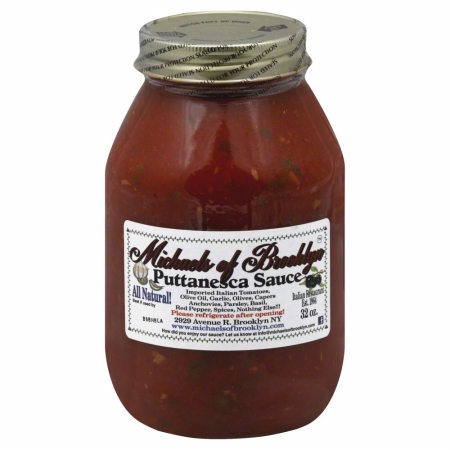
PUTTANESCA SAUCE
At a glance
Summary
This puttanesca sauce is made from high-quality, minimally processed ingredients such as imported Italian tomatoes, olive oil, fresh garlic, and anchovies. These components provide beneficial nutrients like antioxidants, healthy fats, and omega-3 fatty acids. The absence of artificial additives and the use of whole, fresh ingredients contribute to its excellent health profile.
Key ingredients 10
Imported italian tomatoesVery Good
Tomatoes are rich in vitamins C and K, potassium, and folate. They contain lycopene, an antioxidant linked to many health benefits, including reduced risk of heart disease and cancer. The imported Italian variety is often prized for its flavor and quality.
Benefits
Rich in antioxidants like lycopene, which may reduce the risk of chronic diseases. Provides essential vitamins and minerals that support overall health.
Italian olive oilVery Good
Olive oil is a high-quality monounsaturated fat with anti-inflammatory properties. It contains antioxidants that support heart health and is often cold-pressed to preserve beneficial compounds. Italian olive oil is renowned for its quality and flavor.
Benefits
Rich in monounsaturated fats that support heart health and provide anti-inflammatory properties. Contains antioxidants like vitamin E and polyphenols that may reduce oxidative stress.
Fresh garlicGood
Garlic is known for its potential health benefits, including boosting the immune system and reducing blood pressure. It contains allicin, which has antimicrobial properties. Fresh garlic retains more beneficial compounds compared to processed forms.
Risks
Excessive consumption may cause digestive discomfort in some individuals.
Benefits
May enhance immune function and has potential cardiovascular benefits. Contains compounds that have antimicrobial and antioxidant properties.
OlivesGood
Olives are a good source of healthy fats, particularly monounsaturated fats, and contain antioxidants. They are also rich in vitamin E and other beneficial plant compounds. The fermentation process enhances their probiotic content.
Risks
High sodium content in processed olives may be a concern for individuals with hypertension.
Benefits
Rich in healthy fats and antioxidants that support heart health. May provide probiotic benefits due to fermentation.
CapersGood
Capers are low in calories and contain a variety of antioxidants, including quercetin. They add flavor without significant calories or fat. The pickling process enhances their flavor and shelf life.
Risks
High sodium content due to pickling may be a concern for those monitoring salt intake.
Benefits
Provide antioxidants that may support health and add flavor to dishes without adding significant calories.
AnchoviesGood
Anchovies are a rich source of omega-3 fatty acids, which are beneficial for heart health. They also provide protein and essential nutrients like calcium and iron. The small size of anchovies means they typically have lower mercury levels compared to larger fish.
Risks
High sodium content due to preservation methods may be a concern for some individuals.
Benefits
Rich in omega-3 fatty acids that support cardiovascular health. Provide essential nutrients and are a good source of protein.
Fresh parsleyNeutral
Parsley is a common herb used to enhance flavor and provide a source of vitamins A, C, and K. It contains antioxidants and may have anti-inflammatory properties. Fresh parsley is more nutrient-dense than dried forms.
Benefits
Provides vitamins and antioxidants that may support overall health. Enhances flavor without adding calories.
Fresh basilNeutral
Basil is an aromatic herb that adds flavor and contains essential oils with potential health benefits. It provides vitamins A and K and has antioxidant properties. Fresh basil is preferred for its vibrant flavor and nutrient content.
Benefits
Contains antioxidants and essential oils that may support health. Adds flavor and aroma to dishes.
Red pepperNeutral
Red pepper adds spice and contains capsaicin, which may have metabolic benefits. It is low in calories and can enhance the flavor profile of dishes. The heat level can vary depending on the type of pepper used.
Risks
May cause digestive discomfort in sensitive individuals.
Benefits
Contains capsaicin, which may boost metabolism and provide antioxidant benefits. Adds flavor and heat to dishes.
SpicesNeutral
Spices are used to enhance flavor and may provide various health benefits depending on the specific spices used. They are generally low in calories and can add complexity to dishes. The specific health impacts depend on the types of spices included.
Benefits
May provide antioxidants and other health benefits depending on the specific spices used. Enhance flavor without adding calories.
Processing
Unprocessed or Minimally Processed Foods
Get the full breakdown in the Scout appTake Scout shopping
Scan any product to see lab results, healthy alternatives, and your personalized analysis.
Are you Michaels of Brooklyn? Fix an error Get the badge Get tested