

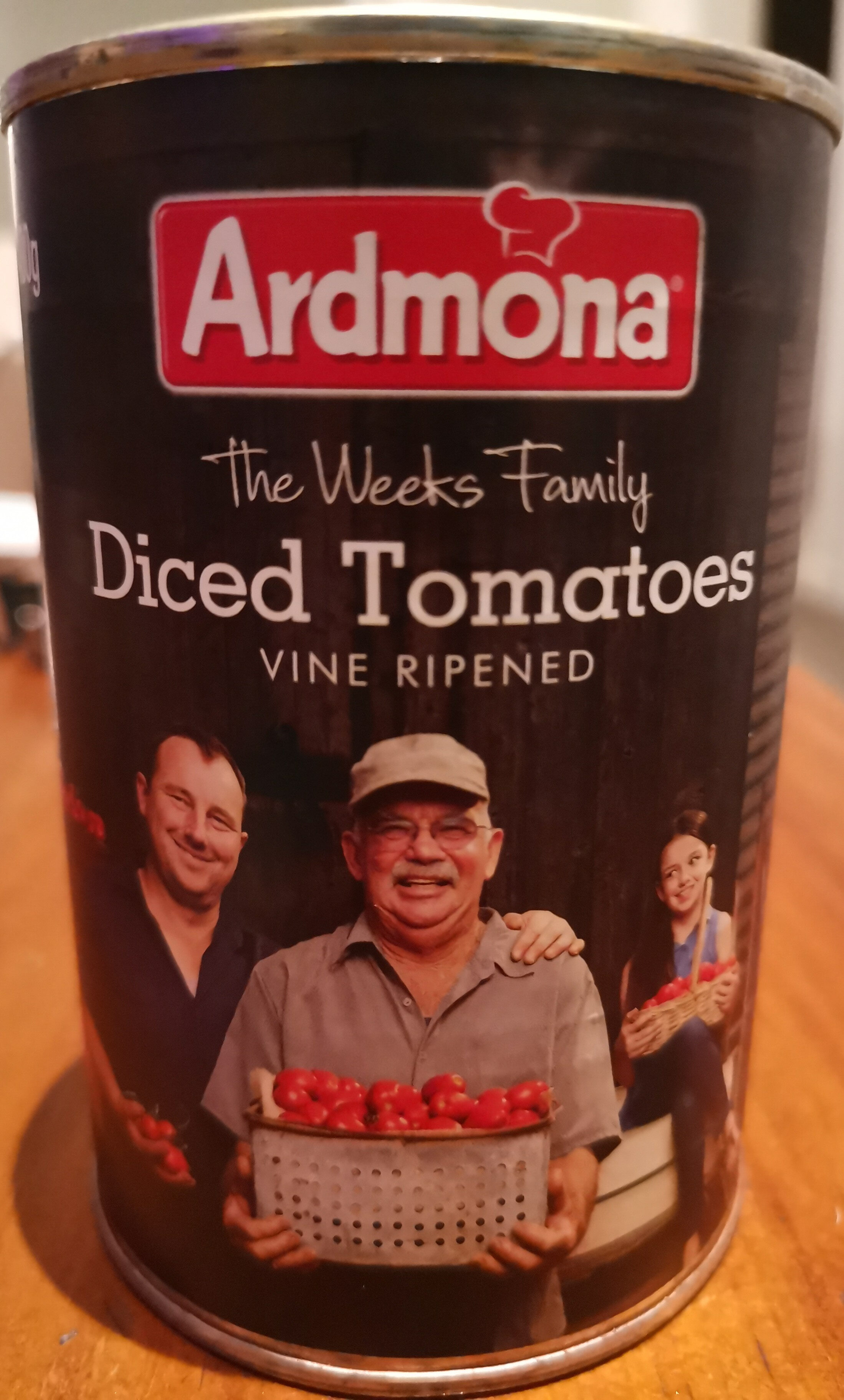

Bianca DiNapoli Diced Tomatoes
Analysis updated August 2026 · How Scout scores
At a glance
Summary
This product contains organic tomatoes and organic tomato juice, which are nutritious and free from synthetic pesticides, contributing positively to its health profile. The inclusion of sea salt and minimal additives like calcium chloride and citric acid keeps the ingredient list clean. Despite being processed, the absence of harmful ingredients and the use of organic components support a high score within its category.
Key ingredients 5
Organic TomatoesGood
Organic tomatoes are rich in vitamins and antioxidants, supporting overall health and providing natural flavor.
See more about Organic Tomatoes →Organic Tomato JuiceGood
Organic tomato juice offers concentrated nutrients and flavor, making it a healthy addition to the product.
Sea SaltGood
Beneficial ingredient — whole-food or functional value in this product class.
See more about Sea Salt →Calcium ChlorideNeutral
Calcium chloride helps maintain product texture and safety, with minimal impact on health when used appropriately.
See more about Calcium Chloride →Citric AcidNeutral
Citric acid acts as a preservative and flavor enhancer, commonly found in processed foods.
See more about Citric Acid →Processing
Processed Foods
Get the full breakdown in the Scout appTake Scout shopping
Scan any product to see lab results, healthy alternatives, and your personalized analysis.
Download on theApp Store GET IT ONGoogle Play