


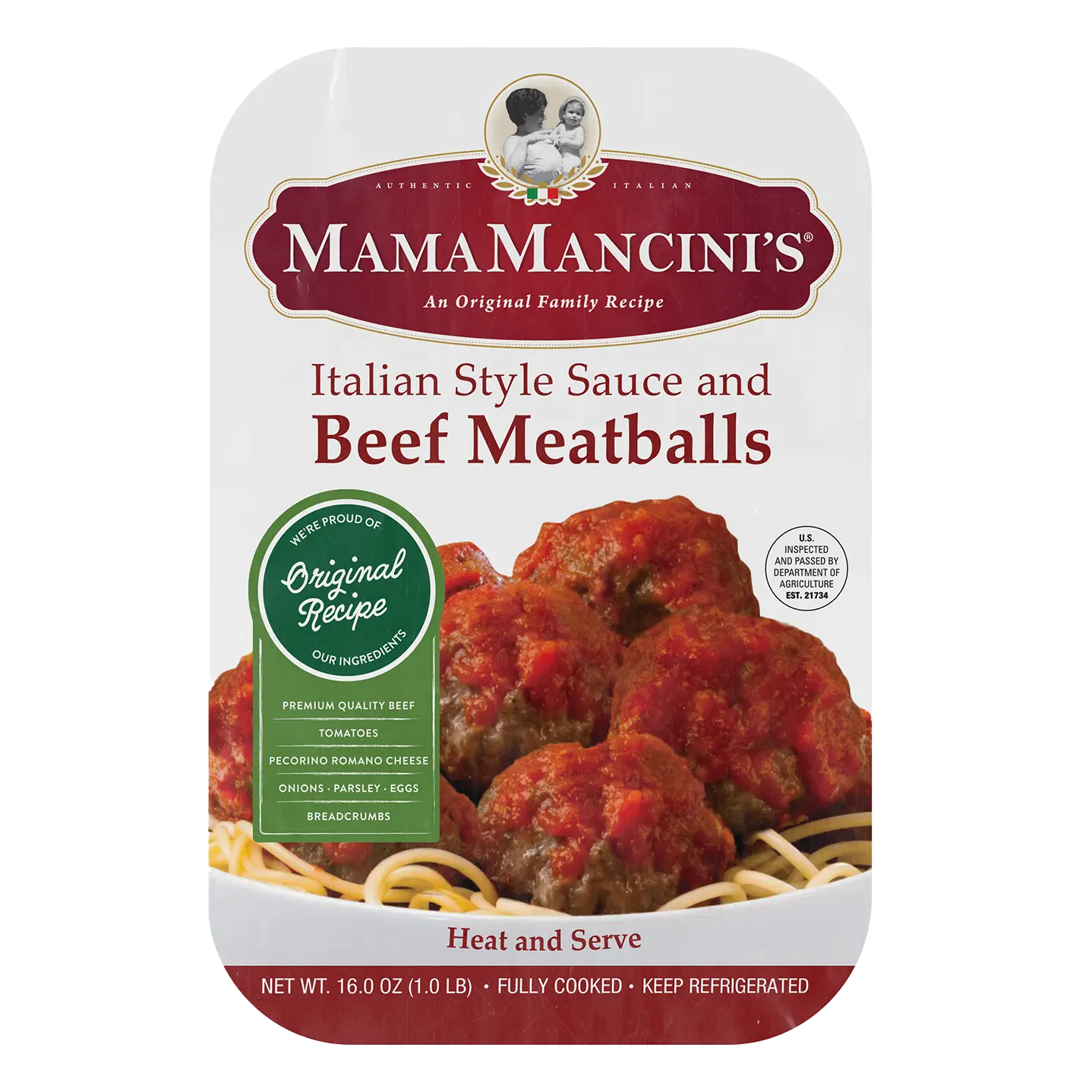

6 Delicious Beef Meatballs
Analysis updated September 2026 · How Scout scores
At a glance
Summary
This product contains high-quality ingredients such as beef, eggs, and cheeses, which provide essential nutrients and proteins. However, it includes processed components like bread crumbs and tomato sauce, which contribute to its processing level. The presence of citric acid as an additive is minimal, but the overall processing level limits its score.
Key ingredients 13
Extra Virgin Olive OilVery Good
Extra virgin olive oil is a high-quality monounsaturated fat with anti-inflammatory properties. It contains antioxidants that support heart health. Cold-pressed extraction preserves beneficial compounds.
Benefits
Rich in monounsaturated fats that support heart health and provide anti-inflammatory properties. Contains antioxidants like vitamin E and polyphenols that may reduce oxidative stress.
BeefGood
Beef is a high-quality source of protein and essential nutrients like iron and B vitamins. It provides a complete amino acid profile necessary for muscle growth and repair. Grass-fed beef would be preferable for higher omega-3 content.
Risks
Excessive consumption of red meat may be linked to increased risk of certain diseases.
Benefits
Rich in protein and essential nutrients, supporting muscle growth and overall health.
EggsGood
Eggs are a nutrient-dense food providing high-quality protein and essential vitamins like B12 and D. They contain healthy fats and antioxidants such as lutein and zeaxanthin. Pasture-raised eggs offer higher omega-3 content.
Risks
Some individuals may have allergies to eggs.
Benefits
Excellent source of protein and essential nutrients, supporting eye health and brain function.
Pecorino Romano CheeseGood
Pecorino Romano is a flavorful cheese made from sheep's milk, rich in calcium and protein. It contains beneficial fatty acids and vitamins like A and B12. Its strong flavor allows for use in small amounts, enhancing dishes without excessive calories.
Risks
High in sodium, which may be a concern for those monitoring salt intake.
Benefits
Rich in calcium and protein, supporting bone health and providing a strong flavor profile.
Parmigiano CheeseGood
Parmigiano cheese is a hard cheese known for its rich flavor and high calcium content. It provides protein and essential nutrients like phosphorus and vitamin A. Aged cheeses like Parmigiano are often easier to digest for lactose-sensitive individuals.
Risks
Contains sodium and saturated fats, which should be consumed in moderation.
Benefits
High in calcium and protein, supporting bone health and adding depth of flavor.
ParsleyGood
Parsley is a fresh herb rich in vitamins A, C, and K, and provides antioxidants. It adds flavor and color to dishes while offering health benefits. Its high vitamin K content supports bone health.
Benefits
Rich in vitamins and antioxidants, supporting immune function and bone health.
GarlicGood
Garlic is known for its potential health benefits, including antimicrobial properties and cardiovascular support. It contains compounds like allicin that may reduce inflammation. Fresh garlic offers more benefits compared to processed forms.
Risks
May cause digestive discomfort in some individuals when consumed in large amounts.
Benefits
Supports cardiovascular health and has antimicrobial properties.
Black PepperGood
Black pepper is a spice that enhances flavor and may aid digestion. It contains piperine, which can improve nutrient absorption. Its antioxidant properties contribute to overall health benefits.
Benefits
Enhances flavor and may improve nutrient absorption.
Italian Peeled TomatoesGood
Italian peeled tomatoes are a source of vitamins A and C, and antioxidants like lycopene. They provide a rich flavor base for sauces and are minimally processed. Lycopene is linked to reduced risk of certain chronic diseases.
Benefits
Rich in vitamins and antioxidants, supporting heart health and reducing inflammation.
Bread crumbsNeutral
Bread crumbs are primarily a source of carbohydrates and provide texture to the meatballs. They are made from refined flour, which lacks significant nutritional benefits. Whole grain alternatives would offer more fiber and nutrients.
Risks
May contribute to increased calorie intake without significant nutritional benefits.
Benefits
Provides texture and binding in recipes, though with limited nutritional value.
Unbleached FlourNeutral
Unbleached flour is a refined carbohydrate used for texture and structure in recipes. It lacks the fiber and nutrients found in whole grain flours. While it provides energy, it should be balanced with nutrient-dense ingredients.
Risks
May contribute to blood sugar spikes due to its refined nature.
Benefits
Provides structure and texture in baked goods, though with limited nutritional benefits.
SaltNeutral
Salt is used to enhance flavor and preserve food. It is essential for maintaining fluid balance and nerve function. Excessive intake can lead to health issues such as hypertension.
Risks
High sodium intake can increase the risk of hypertension and cardiovascular disease.
Benefits
Essential for fluid balance and nerve function, enhancing flavor in foods.
Citric AcidNeutral
Citric acid is a natural preservative and flavor enhancer found in citrus fruits. It is used to maintain acidity and freshness in foods. While generally recognized as safe, excessive consumption may cause digestive discomfort.
Risks
Excessive consumption may cause digestive discomfort in sensitive individuals.
Benefits
Helps preserve food and enhance flavor, with no significant nutritional benefits.
Processing
Processed Foods
Get the full breakdown in the Scout appTake Scout shopping
Scan any product to see lab results, healthy alternatives, and your personalized analysis.
Download on theApp Store GET IT ONGoogle Play