
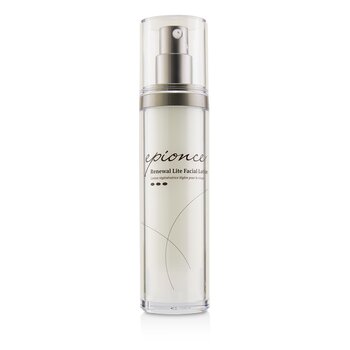
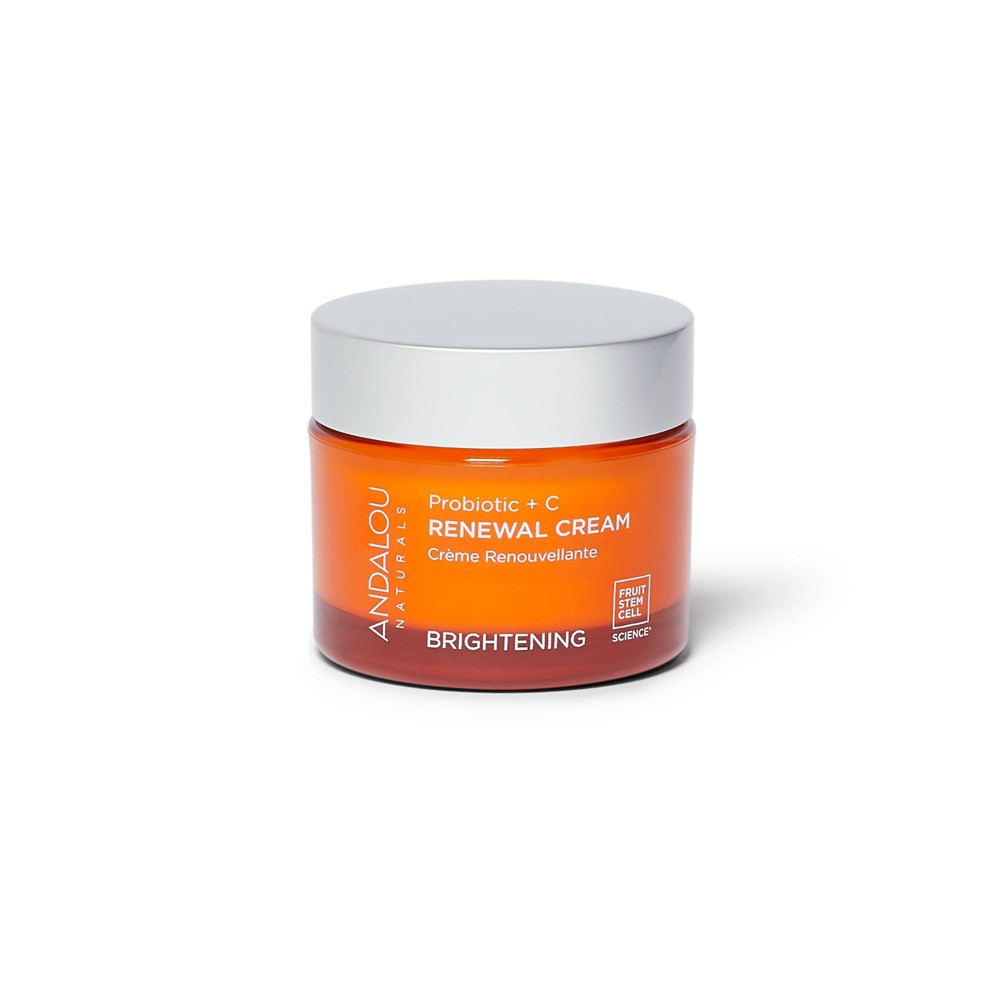
Epionce Renewal Lite Facial Lotion 1.7 oz
Summary
This moisturizer contains beneficial ingredients such as natural oils and skin actives like hyaluronic acid and niacinamide, which are known for their hydrating and skin-repairing properties. However, the presence of synthetic preservatives and emulsifiers slightly lowers its score, as these can be concerning for sensitive skin. The product is processed, which also impacts its overall rating, but it remains a mostly safe choice for skincare.
At a glance
Key ingredients 46
Water
Water is a universal solvent used in cosmetics to dissolve other ingredients. It helps in the application and absorption of the product. It is generally considered safe and non-irritating.
Risks
There are no significant risks associated with water in cosmetics.
Benefits
Water hydrates the skin and helps in the delivery of active ingredients.
Butylene Glycol
Butylene Glycol is a common humectant that helps retain moisture in the skin. It also acts as a solvent and improves the texture of the product. It is generally considered safe for use in cosmetics.
Risks
In rare cases, it may cause irritation or allergic reactions in sensitive individuals.
Benefits
It helps to keep the skin hydrated and enhances the penetration of other ingredients.
Trisiloxane
Trisiloxane is a silicone-based compound used to improve the spreadability of products. It provides a smooth, silky feel on the skin. It is generally considered safe for use in cosmetics.
Risks
Silicones can sometimes cause build-up on the skin, potentially leading to clogged pores.
Benefits
It enhances the texture and application of the product, leaving a smooth finish.
Petrolatum
Petrolatum is a petroleum-derived occlusive agent that locks in moisture. It is effective in preventing water loss from the skin. However, it is heavily processed and can be contaminated with harmful substances.
Risks
There is a risk of contamination with polycyclic aromatic hydrocarbons (PAHs), which are potential carcinogens.
Benefits
It is highly effective in moisturizing and protecting the skin barrier.
Carthamus Tinctorius (Safflower) Seed Oil
Safflower Seed Oil is a natural oil rich in linoleic acid, which helps to maintain the skin's barrier. It is known for its moisturizing and anti-inflammatory properties. It is considered safe and beneficial for skin health.
Risks
There are minimal risks, though it may cause allergic reactions in some individuals.
Benefits
It provides essential fatty acids that nourish and hydrate the skin.
Glycerin
Glycerin is a well-known humectant that attracts moisture to the skin. It helps to keep the skin hydrated and soft. It is widely used in cosmetics and is considered safe.
Risks
There are no significant risks associated with glycerin in cosmetics.
Benefits
It effectively hydrates the skin and improves its smoothness.
PPG-2 Myristyl Ether Propionate
PPG-2 Myristyl Ether Propionate is an emollient that helps to soften and smooth the skin. It also acts as a solvent and enhances the texture of the product. It is generally considered safe for use in cosmetics.
Risks
There are minimal risks, though it may cause irritation in sensitive individuals.
Benefits
It improves the feel of the product and provides a moisturizing effect.
C10-30 Cholesterol/Lanosterol Esters
These esters are used as emollients and skin conditioning agents. They help to restore the skin's natural barrier and improve its texture. They are considered safe and beneficial for skin health.
Risks
There are no significant risks associated with these esters in cosmetics.
Benefits
They enhance skin barrier function and provide a smooth, soft feel.
Limnanthes Alba (Meadowfoam) Seed Oil
Meadowfoam Seed Oil is a natural oil known for its stability and moisturizing properties. It forms a protective barrier on the skin to lock in moisture. It is considered safe and beneficial for skin health.
Risks
There are minimal risks, though it may cause allergic reactions in some individuals.
Benefits
It provides long-lasting hydration and helps to balance the skin's natural oils.
Persea Gratissima (Avocado) Oil
Avocado Oil is rich in fatty acids and vitamins, making it an excellent moisturizer. It helps to nourish and soften the skin. It is considered safe and beneficial for skin health.
Risks
There are minimal risks, though it may cause allergic reactions in some individuals.
Benefits
It provides deep hydration and delivers essential nutrients to the skin.
C13-14 Isoalkane
C13-14 Isoalkane is used as an emollient and solvent in cosmetics. It helps to improve the texture and spreadability of the product. It is generally considered safe for use in cosmetics.
Risks
There are minimal risks, though it may cause irritation in sensitive individuals.
Benefits
It enhances the application and feel of the product on the skin.
Polyacrylamide
Polyacrylamide is used as a thickening agent and film-former in cosmetics. It helps to improve the texture and stability of the product. However, it is a synthetic polymer that can release acrylamide, a potential carcinogen.
Risks
There is a risk of acrylamide contamination, which is a potential carcinogen.
Benefits
It provides a smooth texture and enhances the stability of the product.
Laureth-7
Laureth-7 is a surfactant and emulsifier used to stabilize formulations. It helps to blend ingredients and improve the texture of the product. It is generally considered safe for use in cosmetics.
Risks
There is a potential risk of contamination with 1,4-dioxane, a possible carcinogen.
Benefits
It enhances the texture and stability of the product.
Beeswax (Cera Alba)
Beeswax is a natural wax used as an emollient and thickening agent. It helps to form a protective barrier on the skin and lock in moisture. It is considered safe and beneficial for skin health.
Risks
There are minimal risks, though it may cause allergic reactions in some individuals.
Benefits
It provides a protective barrier and helps to retain moisture in the skin.
Glyceryl Stearate
Glyceryl Stearate is an emulsifier that helps to blend oil and water components. It also acts as a lubricant on the skin's surface, giving it a soft and smooth appearance. It is generally considered safe for use in cosmetics.
Risks
There are minimal risks, though it may cause irritation in sensitive individuals.
Benefits
It improves the texture and stability of the product.
Linum Usitatissimum (Linseed) Seed Oil
Linseed Seed Oil is rich in omega-3 fatty acids, which help to nourish and hydrate the skin. It is known for its anti-inflammatory and skin-soothing properties. It is considered safe and beneficial for skin health.
Risks
There are minimal risks, though it may cause allergic reactions in some individuals.
Benefits
It provides essential fatty acids that support skin health and hydration.
Malic Acid
Malic Acid is an alpha hydroxy acid (AHA) used for its exfoliating properties. It helps to remove dead skin cells and improve skin texture. It is generally considered safe for use in cosmetics.
Risks
It may cause irritation or sensitivity, especially in individuals with sensitive skin.
Benefits
It promotes cell turnover and improves skin texture and radiance.
PEG-100 Stearate
PEG-100 Stearate is an emulsifier that helps to blend oil and water components. It also acts as a surfactant, helping to cleanse the skin. It is generally considered safe for use in cosmetics.
Risks
There is a potential risk of contamination with 1,4-dioxane, a possible carcinogen.
Benefits
It improves the texture and stability of the product.
Pyrus Malus (Apple) Fruit Extract
Apple Fruit Extract is rich in antioxidants and vitamins, providing nourishment to the skin. It helps to improve skin texture and tone. It is considered safe and beneficial for skin health.
Risks
There are minimal risks, though it may cause allergic reactions in some individuals.
Benefits
It provides antioxidant protection and helps to improve skin radiance.
C12-15 Alkyl Benzoate
C12-15 Alkyl Benzoate is an emollient that helps to soften and smooth the skin. It also acts as a solvent and enhances the texture of the product. It is generally considered safe for use in cosmetics.
Risks
There are minimal risks, though it may cause irritation in sensitive individuals.
Benefits
It improves the feel of the product and provides a moisturizing effect.
Camphor
Camphor is used for its cooling and soothing properties. It helps to relieve irritation and discomfort on the skin. It is generally considered safe for use in cosmetics.
Risks
In high concentrations, it may cause irritation or allergic reactions.
Benefits
It provides a cooling sensation and helps to soothe irritated skin.
Caprylyl Glycol
Caprylyl Glycol is a humectant and skin conditioning agent. It helps to retain moisture and improve the texture of the product. It is generally considered safe for use in cosmetics.
Risks
There are minimal risks, though it may cause irritation in sensitive individuals.
Benefits
It enhances skin hydration and improves the feel of the product.
Cetyl Alcohol
Cetyl Alcohol is a fatty alcohol used as an emollient and thickening agent. It helps to soften and smooth the skin. It is generally considered safe for use in cosmetics.
Risks
There are minimal risks, though it may cause irritation in sensitive individuals.
Benefits
It provides a moisturizing effect and improves the texture of the product.
Citral
Citral is a fragrance component used for its lemon-like scent. It is commonly used in cosmetics for its aromatic properties. However, it can be a potential allergen.
Risks
It may cause allergic reactions or irritation in sensitive individuals.
Benefits
It provides a pleasant fragrance to the product.
Citrus Aurantium Dulcis (Orange) Peel Oil
Orange Peel Oil is used for its aromatic and skin-conditioning properties. It provides a refreshing scent and helps to improve skin texture. It is generally considered safe for use in cosmetics.
Risks
There is a potential risk of photosensitivity, especially when exposed to sunlight.
Benefits
It provides a refreshing fragrance and helps to improve skin radiance.
Citrus Limon (Lemon) Peel Oil
Lemon Peel Oil is used for its aromatic and skin-conditioning properties. It provides a refreshing scent and helps to improve skin texture. It is generally considered safe for use in cosmetics.
Risks
There is a potential risk of photosensitivity, especially when exposed to sunlight.
Benefits
It provides a refreshing fragrance and helps to improve skin radiance.
Cymbopogon Citratus Leaf Oil
Lemongrass Leaf Oil is used for its aromatic and skin-conditioning properties. It provides a refreshing scent and helps to improve skin texture. It is generally considered safe for use in cosmetics.
Risks
There is a potential risk of irritation or allergic reactions in sensitive individuals.
Benefits
It provides a refreshing fragrance and helps to improve skin radiance.
Ethylene Brassylate
Ethylene Brassylate is a fragrance ingredient used for its sweet, musky scent. It is commonly used in cosmetics for its aromatic properties. It is generally considered safe for use in cosmetics.
Risks
There are minimal risks, though it may cause irritation in sensitive individuals.
Benefits
It provides a pleasant fragrance to the product.
Ethylhexylglycerin
Ethylhexylglycerin is a skin conditioning agent and preservative enhancer. It helps to improve the texture of the product and extend its shelf life. It is generally considered safe for use in cosmetics.
Risks
There are minimal risks, though it may cause irritation in sensitive individuals.
Benefits
It enhances the preservation and feel of the product.
Hexylene Glycol
Hexylene Glycol is a solvent and viscosity agent used to improve the texture of cosmetics. It helps to blend ingredients and enhance the application of the product. It is generally considered safe for use in cosmetics.
Risks
There are minimal risks, though it may cause irritation in sensitive individuals.
Benefits
It improves the texture and application of the product.
Lavandula Hybrida Oil
Lavandin Oil is used for its aromatic and skin-conditioning properties. It provides a calming scent and helps to improve skin texture. It is generally considered safe for use in cosmetics.
Risks
There is a potential risk of irritation or allergic reactions in sensitive individuals.
Benefits
It provides a calming fragrance and helps to improve skin radiance.
Limonene
Limonene is a fragrance component used for its citrus scent. It is commonly used in cosmetics for its aromatic properties. However, it can be a potential allergen.
Risks
It may cause allergic reactions or irritation in sensitive individuals.
Benefits
It provides a pleasant citrus fragrance to the product.
Linalool
Linalool is a fragrance component used for its floral scent. It is commonly used in cosmetics for its aromatic properties. However, it can be a potential allergen.
Risks
It may cause allergic reactions or irritation in sensitive individuals.
Benefits
It provides a pleasant floral fragrance to the product.
Linalyl Acetate
Linalyl Acetate is a fragrance component used for its floral scent. It is commonly used in cosmetics for its aromatic properties. It is generally considered safe for use in cosmetics.
Risks
There are minimal risks, though it may cause irritation in sensitive individuals.
Benefits
It provides a pleasant floral fragrance to the product.
Litsea Cubeba Fruit Oil
Litsea Cubeba Fruit Oil is used for its aromatic and skin-conditioning properties. It provides a refreshing scent and helps to improve skin texture. It is generally considered safe for use in cosmetics.
Risks
There is a potential risk of irritation or allergic reactions in sensitive individuals.
Benefits
It provides a refreshing fragrance and helps to improve skin radiance.
Octanal
Octanal is a fragrance component used for its citrus scent. It is commonly used in cosmetics for its aromatic properties. It is generally considered safe for use in cosmetics.
Risks
There are minimal risks, though it may cause irritation in sensitive individuals.
Benefits
It provides a pleasant citrus fragrance to the product.
Olea Europaea (Olive) Fruit Oil
Olive Fruit Oil is a natural oil rich in antioxidants and fatty acids. It helps to nourish and hydrate the skin. It is considered safe and beneficial for skin health.
Risks
There are minimal risks, though it may cause allergic reactions in some individuals.
Benefits
It provides deep hydration and delivers essential nutrients to the skin.
Phenoxyethanol
Phenoxyethanol is a preservative used to prevent microbial growth in cosmetics. It helps to extend the shelf life of the product. However, it can cause irritation in some individuals.
Risks
It may cause irritation or allergic reactions, especially in sensitive individuals.
Benefits
It effectively preserves the product and prevents contamination.
Phoenix Dactylifera (Date) Fruit Extract
Date Fruit Extract is rich in antioxidants and vitamins, providing nourishment to the skin. It helps to improve skin texture and tone. It is considered safe and beneficial for skin health.
Risks
There are minimal risks, though it may cause allergic reactions in some individuals.
Benefits
It provides antioxidant protection and helps to improve skin radiance.
Phytosphingosine
Phytosphingosine is a lipid that helps to restore the skin's natural barrier. It has anti-inflammatory and antimicrobial properties. It is considered safe and beneficial for skin health.
Risks
There are minimal risks, though it may cause irritation in sensitive individuals.
Benefits
It supports skin barrier function and helps to reduce inflammation.
Phytosterols
Phytosterols are plant-derived compounds that help to restore the skin's natural barrier. They have anti-inflammatory and moisturizing properties. They are considered safe and beneficial for skin health.
Risks
There are minimal risks, though they may cause irritation in sensitive individuals.
Benefits
They enhance skin barrier function and provide a moisturizing effect.
Pinene
Pinene is a fragrance component used for its pine-like scent. It is commonly used in cosmetics for its aromatic properties. It is generally considered safe for use in cosmetics.
Risks
There are minimal risks, though it may cause irritation in sensitive individuals.
Benefits
It provides a pleasant pine fragrance to the product.
Quercetin
Quercetin is a flavonoid with antioxidant and anti-inflammatory properties. It helps to protect the skin from oxidative stress and reduce inflammation. It is considered safe and beneficial for skin health.
Risks
There are minimal risks, though it may cause irritation in sensitive individuals.
Benefits
It provides antioxidant protection and helps to reduce inflammation.
Rosa Canina Fruit Oil
Rosehip Oil is rich in essential fatty acids and vitamins, making it an excellent moisturizer. It helps to nourish and rejuvenate the skin. It is considered safe and beneficial for skin health.
Risks
There are minimal risks, though it may cause allergic reactions in some individuals.
Benefits
It provides deep hydration and helps to improve skin texture and tone.
Sodium Hyaluronate
Sodium Hyaluronate is a form of hyaluronic acid that helps to retain moisture in the skin. It provides intense hydration and plumps the skin. It is considered safe and beneficial for skin health.
Risks
There are minimal risks, though it may cause irritation in sensitive individuals.
Benefits
It provides deep hydration and helps to improve skin elasticity.
Sodium Hydroxide
Sodium Hydroxide is used to adjust the pH of cosmetics. It helps to maintain the stability and effectiveness of the product. However, it is a strong alkali that can be irritating in high concentrations.
Risks
It may cause irritation or burns if used in high concentrations.
Benefits
It helps to maintain the pH balance and stability of the product.
Processing
Processed Foods
Get the full breakdown in the Scout app
Scan any product to see lab results, healthy alternatives, and your personalized analysis.
Download on theApp Store