


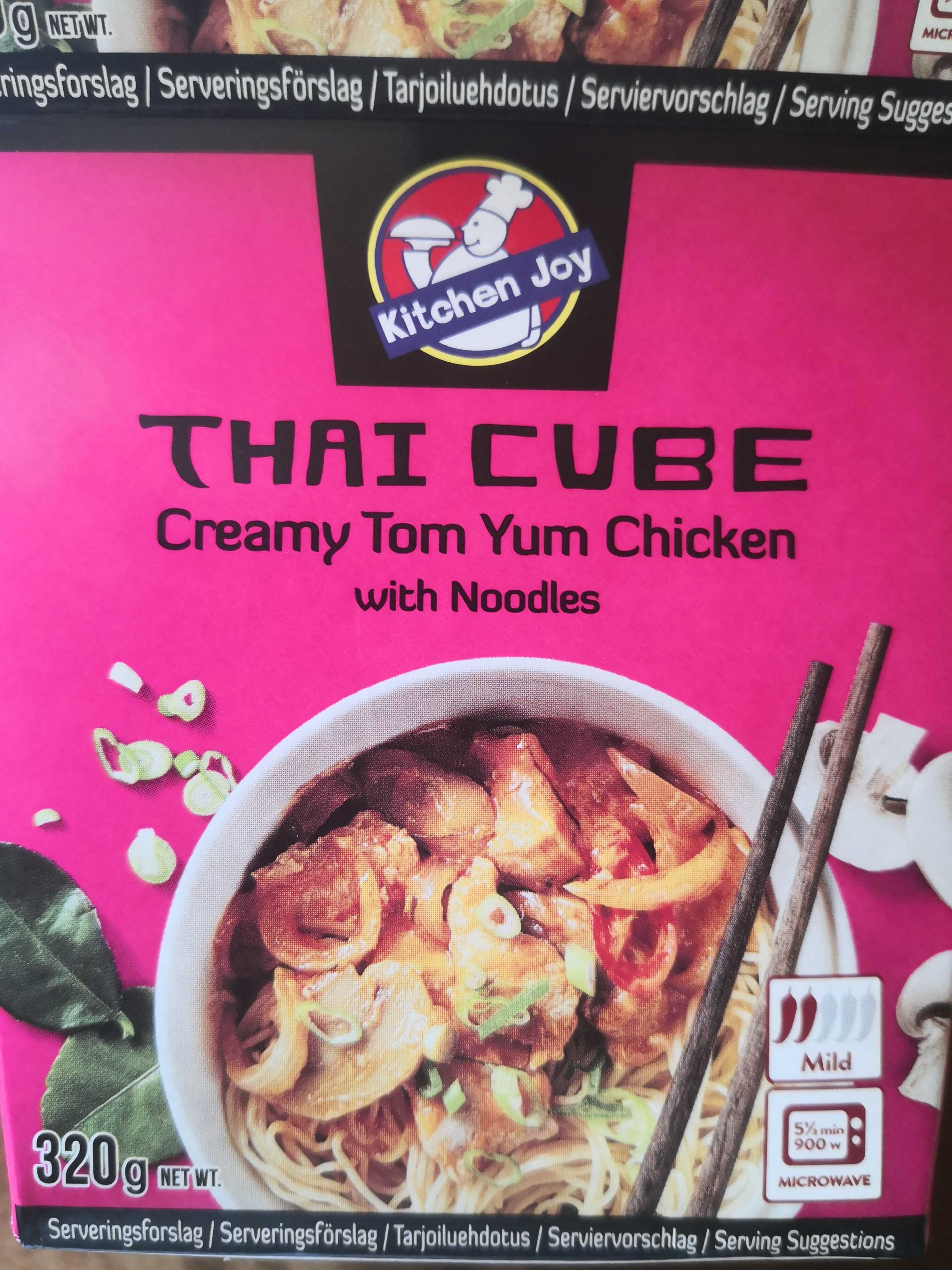


Thai Coconut Curry Noodles
Analysis updated June 2026 · How Scout scores
At a glance
Summary
The product contains beneficial ingredients like coconut milk, red curry paste, garlic, and shallots, which are minimally processed and provide nutritional benefits. However, the presence of rice bran oil, a seed oil high in omega-6 fatty acids, is a concern due to its potential inflammatory effects and industrial extraction process. Additionally, the product's processing level limits its score, despite the inclusion of some healthy components.
Key ingredients 9
Coconut MilkGood
Coconut milk is a plant-based milk alternative rich in medium-chain triglycerides (MCTs). It provides a creamy texture and is a source of healthy fats. It is minimally processed compared to other plant-based milks.
Risks
High in saturated fats, which may be a concern for some individuals if consumed in large amounts.
Benefits
Rich in MCTs that may support metabolism and provide quick energy.
Red Curry PasteGood
Red curry paste is a blend of spices and herbs that adds flavor and nutritional benefits. It typically contains ingredients like chili peppers, garlic, and lemongrass, which have antioxidant properties. It is a traditional ingredient with minimal processing.
Risks
May cause irritation for those sensitive to spicy foods.
Benefits
Provides antioxidants and enhances flavor with minimal calories.
GarlicGood
Garlic is known for its health-promoting properties, including antimicrobial and antioxidant effects. It contains allicin, which may support heart health and immune function. It is a natural ingredient with minimal processing.
Risks
May cause digestive discomfort in some individuals.
Benefits
Supports heart health and has antimicrobial properties.
ShallotGood
Shallots are a type of onion that provide flavor and nutritional benefits. They contain antioxidants and compounds that may support heart health. They are minimally processed and used fresh in cooking.
Benefits
Rich in antioxidants and may support cardiovascular health.
WaterNeutral
Water is used as a solvent and to hydrate the dough in noodle production. It is a neutral ingredient with no direct nutritional impact. Its quality depends on the source and treatment.
Benefits
Essential for hydration and does not contribute calories or nutrients.
Modified Potato StarchNeutral
Modified potato starch is used as a thickener and stabilizer in food products. It is processed to improve its functional properties in cooking. It does not provide significant nutritional benefits.
Benefits
Improves texture and stability of the product without adding flavor.
SaltNeutral
Salt is used to enhance flavor and preserve food. Excessive consumption can lead to health issues such as hypertension. It is a common ingredient in processed foods.
Risks
High intake may contribute to hypertension and cardiovascular diseases.
Benefits
Enhances flavor and acts as a preservative.
Wheat FlourBad
Refined grain flour stripped of bran and germ.
Risks
May cause blood sugar spikes and is a common allergen for those with gluten sensitivity or celiac disease.
Benefits
Provides energy and is a versatile ingredient in many culinary applications.
Rice Bran OilVery Bad
Rice bran oil is a seed oil high in omega-6 fatty acids, which can promote inflammation. It is extracted using industrial processes that may involve high heat and chemicals. Alternatives like olive oil or coconut oil are healthier options.
Risks
High omega-6 content may promote inflammation when consumed in excess.
Benefits
Contains some vitamin E and antioxidants, but benefits are outweighed by potential risks.
Processing
Processed Foods
Get the full breakdown in the Scout appTake Scout shopping
Scan any product to see lab results, healthy alternatives, and your personalized analysis.
Download on theApp Store GET IT ONGoogle PlayAmazon pricing & content
Amazon price as of . Product prices and availability are accurate as of the date/time indicated and are subject to change. Any price and availability information displayed on Amazon.com at the time of purchase will apply to the purchase of this product.
CERTAIN CONTENT THAT APPEARS ON THIS SITE COMES FROM AMAZON. THIS CONTENT IS PROVIDED “AS IS” AND IS SUBJECT TO CHANGE OR REMOVAL AT ANY TIME.