
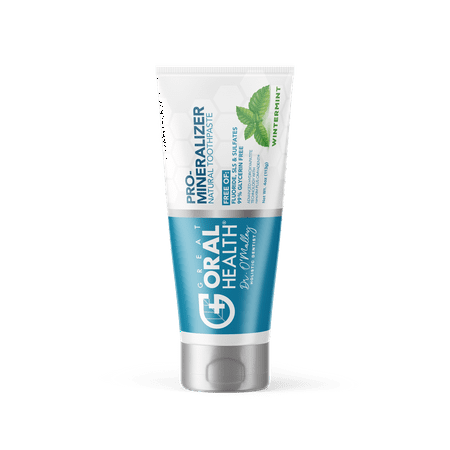


Fluoride Free Naturally Whitening Toothpaste Nano Hydroxyapatite 2 Pack by Great Oral Health
Analysis updated August 2026 · How Scout scores
At a glance
Summary
This toothpaste features beneficial ingredients like xylitol and hydroxyapatite, which support oral health by reducing cavity-causing bacteria and remineralizing enamel. The absence of fluoride and other harmful chemicals commonly found in oral care products is a positive aspect. However, the presence of preservatives like sodium benzoate and potassium sorbate, along with its processed nature, slightly limits its score potential.
Key ingredients 14
XylitolVery Good
Xylitol is a natural sweetener that has been shown to reduce cavity-causing bacteria in the mouth. It helps maintain oral health by inhibiting the growth of harmful bacteria. It is well-regarded for its dental benefits.
Risks
In large amounts, xylitol can cause digestive upset, but this is not a concern in toothpaste.
Benefits
Xylitol helps reduce the risk of cavities and promotes oral health by reducing harmful bacteria.
Hydroxyapatite (11% nano + micro blend)Very Good
Hydroxyapatite is a biomimetic mineral that helps remineralize and strengthen tooth enamel. It is highly regarded for its ability to repair and protect teeth naturally. It is considered a very beneficial ingredient in oral care products.
Risks
There are no significant risks associated with hydroxyapatite in oral care.
Benefits
Promotes enamel remineralization and strengthens teeth.
Aloe Barbadensis (Aloe Vera) Leaf JuiceGood
Aloe vera is known for its soothing and healing properties, making it beneficial in oral care products. It can help soothe irritated gums and promote overall oral health. Its natural properties make it a favorable ingredient in toothpaste.
Risks
There are minimal risks associated with aloe vera in oral care, though allergic reactions are possible.
Benefits
Aloe vera provides soothing effects on gums and supports oral health.
Purified WaterNeutral
Purified water is used as a solvent and base in many oral care products. It helps dissolve other ingredients and maintain the desired consistency. It is generally considered safe and inert.
Risks
There are no significant risks associated with purified water in oral care products.
Benefits
Purified water helps in maintaining the product's consistency and ensures the solubility of active ingredients.
Hydrated SilicaNeutral
Hydrated silica is commonly used as a mild abrasive in toothpaste to help remove plaque and surface stains. It is generally considered safe when used in appropriate amounts. However, excessive abrasiveness can potentially damage enamel.
Risks
Overuse of products with high levels of hydrated silica can lead to enamel wear over time.
Benefits
It effectively aids in cleaning teeth by removing surface stains and plaque.
Zinc CitrateNeutral
Zinc citrate is used in oral care products for its antibacterial properties, which can help reduce plaque and tartar formation. It is generally considered safe and effective for maintaining oral hygiene. However, excessive zinc intake can lead to health issues.
Risks
Excessive zinc can cause health problems, but this is unlikely in toothpaste.
Benefits
Zinc citrate helps reduce plaque and tartar, contributing to better oral hygiene.
Sodium Cocoyl GlutamateNeutral
Sodium cocoyl glutamate is a mild surfactant derived from coconut oil and glutamic acid. It is used to help clean and foam in toothpaste. It is considered safe and gentle on the skin and mucous membranes.
Risks
There are minimal risks associated with sodium cocoyl glutamate in oral care products.
Benefits
It provides gentle cleansing and foaming action in toothpaste.
Cellulose GumNeutral
Cellulose gum is used as a thickening agent in toothpaste to provide the desired texture and consistency. It is derived from cellulose and is considered safe for use in oral care products. It does not have any significant active effects on oral health.
Risks
There are no significant risks associated with cellulose gum in oral care products.
Benefits
It helps maintain the texture and consistency of the toothpaste.
Stevia (Rebaudioside A)Neutral
Stevia is a natural sweetener derived from the leaves of the Stevia plant. It is used to sweeten toothpaste without adding sugar. It is considered safe and does not contribute to tooth decay.
Risks
Stevia is generally safe, but some individuals may experience digestive issues.
Benefits
Provides sweetness without contributing to cavities or tooth decay.
Citric AcidNeutral
Citric acid is used to adjust the pH of toothpaste and can help enhance the stability of other ingredients. It is generally safe in small amounts but can be erosive to enamel if used excessively. In toothpaste, it is typically present in safe concentrations.
Risks
Excessive use can erode enamel, but this is unlikely in toothpaste.
Benefits
Helps maintain the stability and pH balance of the toothpaste.
Calcium CarbonateNeutral
Calcium carbonate is used as a mild abrasive in toothpaste to help clean and polish teeth. It is generally considered safe and effective for this purpose. However, excessive abrasiveness can potentially damage enamel over time.
Risks
Excessive use can lead to enamel wear, but this is unlikely in balanced formulations.
Benefits
Helps clean and polish teeth by removing surface stains.
Natural FlavorBad
Umbrella term that can hide dozens of undisclosed synthetic constituents.
Risks
Potential allergens may be present, but this is rare with natural flavors.
Benefits
Improves the taste of the toothpaste, encouraging regular use.
Sodium BenzoateBad
Synthetic preservative that can form benzene in the presence of vitamin C.
Risks
Potential formation of benzene is a concern, but this is rare in oral care products.
Benefits
Helps preserve the product by preventing microbial growth.
Potassium SorbateBad
Synthetic preservative — flagged in daily-use products.
Risks
There are minimal risks associated with potassium sorbate in oral care products.
Benefits
Ensures the product remains free from mold and yeast.
Get the full breakdown in the Scout appTake Scout shopping
Scan any product to see lab results, healthy alternatives, and your personalized analysis.
Download on theApp Store GET IT ONGoogle Play