


At a glance
Summary
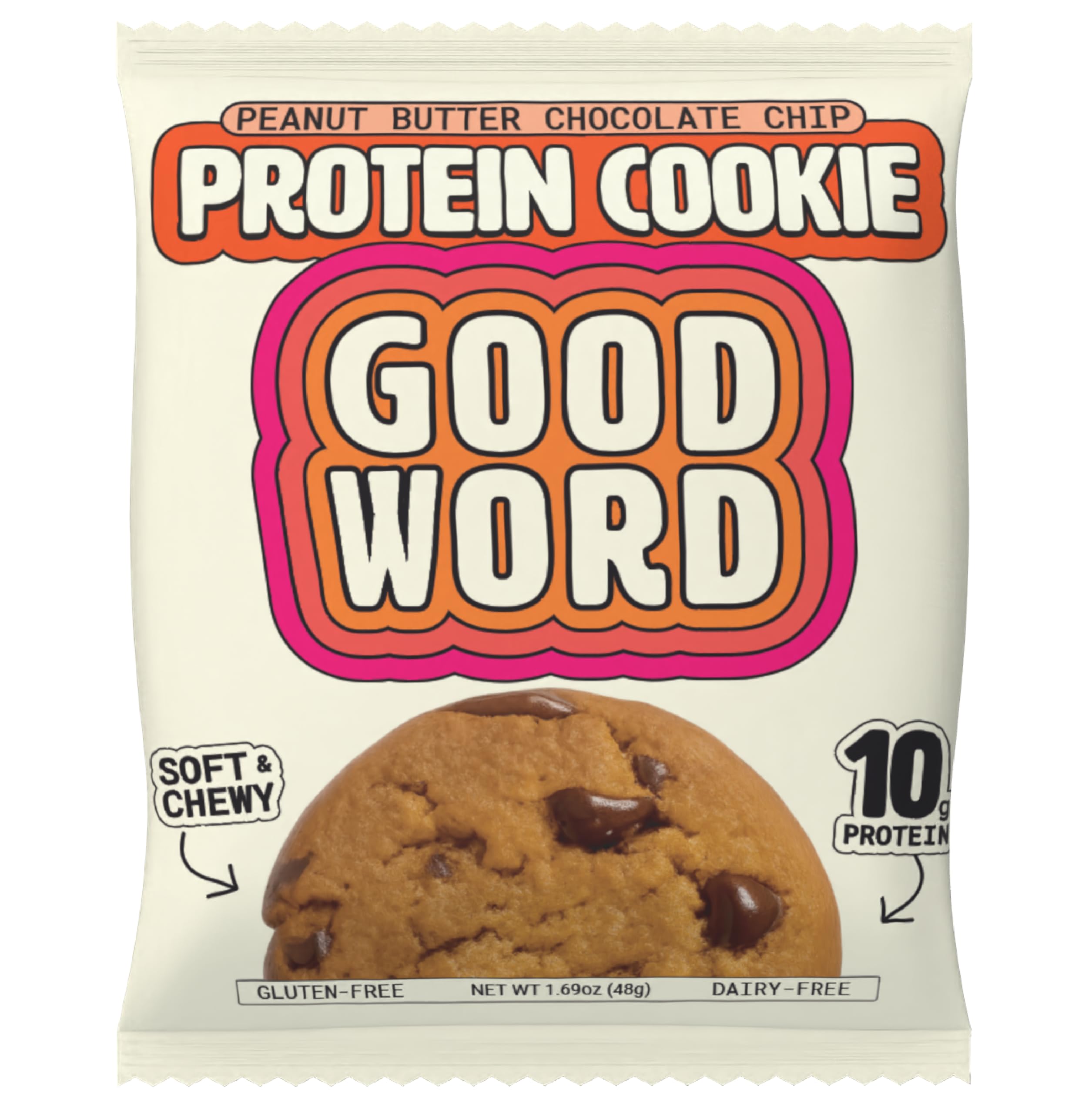
This protein cookie features several high-quality ingredients such as cashew butter, almond flour, and eggs, which contribute beneficial nutrients like healthy fats and protein. The use of coconut sugar and maple syrup as sweeteners is a better choice compared to refined sugars, although they still add to the sugar content. Despite being processed, the product avoids harmful additives and seed oils, maintaining a relatively clean ingredient list, which supports a higher score within its category.
Key ingredients 15
Cashew ButterGood
Cashew butter is a source of healthy fats and protein. It contains vitamins and minerals such as magnesium and zinc. The natural fats in cashew butter can support heart health.
Risks
Potential allergen for individuals with nut allergies.
Benefits
Rich in monounsaturated fats and provides essential nutrients like magnesium and zinc.
EggsGood
Eggs are a high-quality protein source with a complete amino acid profile. They contain essential nutrients like choline and vitamin D. Eggs are versatile and support muscle repair and growth.
Risks
Potential allergen for some individuals.
Benefits
Excellent source of high-quality protein and essential nutrients like choline.
Almond FlourGood
Almond flour is a gluten-free alternative to wheat flour. It is rich in healthy fats, fiber, and vitamin E. Almond flour supports heart health and provides a low-carb baking option.
Risks
Potential allergen for individuals with nut allergies.
Benefits
Provides healthy fats and fiber, supporting heart health and offering a gluten-free baking option.
Bovine CollagenGood
Bovine collagen supports skin, joint, and bone health. It is a source of amino acids like glycine and proline. Collagen supplementation can improve skin elasticity and joint function.
Benefits
Supports skin, joint, and bone health with essential amino acids.
Coconut FlourGood
Coconut flour is a gluten-free, high-fiber alternative to wheat flour. It is low in carbohydrates and supports digestive health. Coconut flour is suitable for low-carb and gluten-free diets.
Risks
Potential allergen for individuals with coconut allergies.
Benefits
High in fiber and supports digestive health while being gluten-free.
Maple SyrupGood
Beneficial ingredient — whole-food or functional value in this product class.
Risks
High sugar content can contribute to blood sugar spikes if consumed in excess.
Benefits
Contains some minerals and antioxidants, offering a natural sweetening option.
Cocoa PowderGood
Cocoa powder is rich in antioxidants and flavonoids. It supports heart health and has anti-inflammatory properties. Cocoa powder can enhance mood and cognitive function.
Benefits
Rich in antioxidants and supports heart health and cognitive function.
Vanilla ExtractGood
Vanilla extract adds natural flavor and aroma to foods. It contains antioxidants that may support health. Vanilla extract is a natural alternative to artificial flavorings.
Benefits
Provides natural flavor and contains antioxidants.
Sea SaltGood
Sea salt is a natural source of sodium and trace minerals. It is less processed than table salt and retains beneficial minerals. Sea salt can enhance flavor and provide essential electrolytes.
Risks
Excessive sodium intake can lead to high blood pressure.
Benefits
Provides essential electrolytes and trace minerals, enhancing flavor naturally.
Rosemary ExtractGood
Rosemary extract is a natural antioxidant used to preserve freshness. It contains compounds that may support cognitive health. Rosemary extract can enhance flavor and extend shelf life naturally.
Benefits
Acts as a natural preservative and supports cognitive health.
Pea Protein CrispsNeutral
Pea protein crisps provide a plant-based protein source. They are less processed than some other plant-based proteins. However, they may not offer the same amino acid profile as animal proteins.
Risks
May not provide a complete amino acid profile compared to animal-based proteins.
Benefits
Offers a plant-based protein option that is less processed than some alternatives.
Coconut SugarNeutral
Coconut sugar is a natural sweetener with a lower glycemic index than refined sugar. It retains some nutrients from the coconut palm. However, it is still a form of sugar and should be consumed in moderation.
Risks
Still a sugar and can contribute to blood sugar spikes if consumed in excess.
Benefits
Offers a lower glycemic index alternative to refined sugar with some retained nutrients.
Chocolate ChipsNeutral
Standard formulation ingredient — neither beneficial nor harmful at typical use.
Risks
Contains sugar, which should be consumed in moderation.
Benefits
Rich in antioxidants and provides prebiotic benefits from inulin.
Cassava Root SyrupNeutral
Cassava root syrup is a natural sweetener derived from the cassava plant. It provides a source of carbohydrates and energy. However, it is still a form of sugar and should be consumed in moderation.
Risks
High sugar content can contribute to blood sugar spikes if consumed in excess.
Benefits
Provides a natural source of carbohydrates and energy.
Baking SodaNeutral
Baking soda is a leavening agent used in baking. It helps dough rise and creates a light texture. Baking soda is generally safe when used in small amounts in cooking.
Risks
Excessive consumption can lead to alkalosis and other health issues.
Benefits
Helps create a light texture in baked goods.
Processing
Processed Foods
Get the full breakdown in the Scout appTake Scout shopping
Scan any product to see lab results, healthy alternatives, and your personalized analysis.
Download on theApp Store GET IT ONGoogle Play