


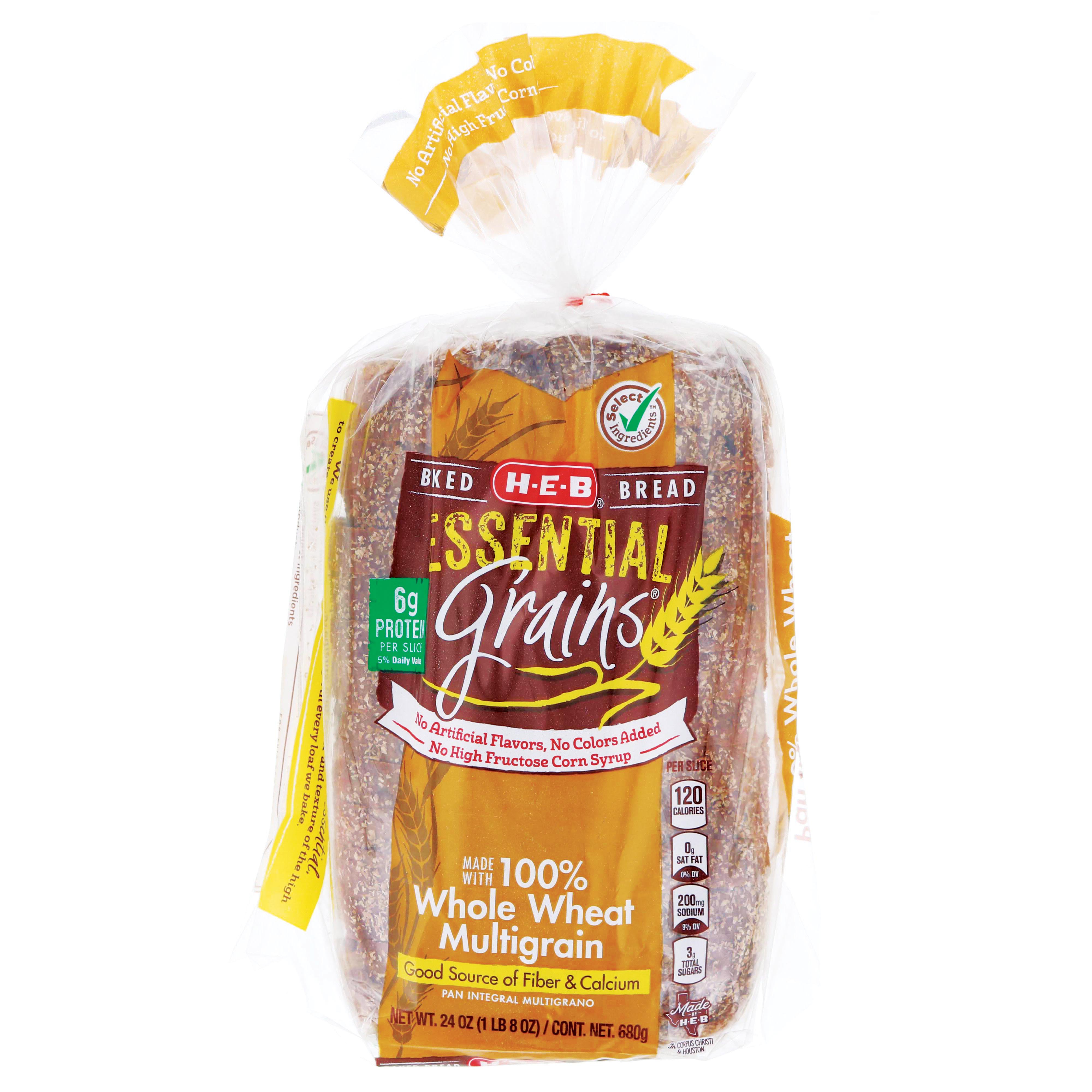


STONE & SKILLET, WHOLE WHEAT BUN
Analysis updated June 2026 · How Scout scores
At a glance
Summary
This whole wheat bun contains beneficial ingredients like whole wheat flour and honey, which provide fiber and natural sweetness. However, the presence of canola oil, a highly processed seed oil, detracts from its nutritional quality. The product is moderately processed, which limits its potential health benefits compared to less processed alternatives.
Key ingredients 9
Whole wheat flourGood
Whole wheat flour is a whole grain ingredient that retains all parts of the grain, providing more fiber and nutrients. It supports digestive health and offers a more complex flavor profile. Its inclusion in bread products is generally seen as a positive nutritional choice.
Benefits
Rich in dietary fiber, which aids in digestion and helps maintain stable blood sugar levels.
HoneyGood
Honey is a natural sweetener that provides a unique flavor and some antioxidants. It is less processed than refined sugars and can offer trace nutrients. Its use in moderation is generally considered beneficial compared to refined sugars.
Risks
Excessive consumption can contribute to high sugar intake.
Benefits
Contains antioxidants and has a lower glycemic index than refined sugar.
Unbleached wheat flourNeutral
Unbleached wheat flour is a common ingredient in bread products, providing structure and texture. It is less processed than bleached flour, retaining more nutrients. However, it is still a refined flour and lacks the fiber content of whole grains.
Risks
May contribute to blood sugar spikes due to its refined nature.
Benefits
Provides essential carbohydrates and some B vitamins due to fortification.
WaterNeutral
Water is a fundamental ingredient in bread making, contributing to dough hydration and texture. It is essential for activating yeast and gluten development. As a natural ingredient, it poses no health risks.
See more about Water →ButterNeutral
Butter is a dairy product that adds richness and flavor to baked goods. It contains saturated fats, which should be consumed in moderation. It is a natural fat source, but not as beneficial as unsaturated fats.
Risks
High in saturated fats, which may impact heart health if consumed in excess.
Benefits
Provides fat-soluble vitamins such as vitamin A and contributes to a rich flavor.
SaltNeutral
Salt is used in bread to enhance flavor and control yeast activity. It is a necessary component in small amounts for proper dough development. Excessive salt intake can lead to health issues, but in moderation, it is essential for flavor.
Risks
Excessive consumption can lead to high blood pressure and other cardiovascular issues.
Benefits
Enhances flavor and is essential for proper dough fermentation.
YeastNeutral
Yeast is a microorganism used in bread making to leaven the dough, creating a light and airy texture. It is a natural ingredient that contributes to the fermentation process. Yeast itself poses no health risks when used in baking.
Benefits
Facilitates dough rising and contributes to the development of flavor and texture.
Dough conditionerNeutral
Dough conditioners are used to improve the texture and shelf life of bread. They often include enzymes that help strengthen the dough. While they are processed additives, they are generally considered safe in small amounts.
Benefits
Improves dough elasticity and bread texture.
Canola oilVery Bad
Canola oil is a seed oil high in omega-6 fatty acids, which can promote inflammation when consumed in excess. It is often highly processed and refined, which can reduce its nutritional quality. Its use is discouraged in favor of healthier fat sources.
Risks
High omega-6 content may promote inflammation when consumed in excess.
Processing
Processed Foods
Get the full breakdown in the Scout appTake Scout shopping
Scan any product to see lab results, healthy alternatives, and your personalized analysis.
Download on theApp Store GET IT ONGoogle Play