


STONE & SKILLET, MUFFIN, PUMPKIN SPICE
Analysis updated August 2026 · How Scout scores
At a glance
Summary
This muffin contains beneficial ingredients like pumpkin puree and butter, which provide nutrients and flavor. However, it also includes refined sugar, which can contribute to health issues when consumed in excess. The product is processed, which limits its score potential, but the absence of seed oils and artificial additives helps maintain a moderate rating.
Key ingredients 7
Pumpkin pureeGood
Pumpkin puree is a nutrient-dense ingredient rich in vitamins and minerals. It provides a natural source of fiber and beta-carotene, which is beneficial for eye health. Its natural sweetness can reduce the need for added sugars.
Benefits
Rich in vitamins A and C, and provides dietary fiber, supporting digestive health and immune function.
ButterGood
Butter is a natural source of fat that provides flavor and texture to baked goods. It contains fat-soluble vitamins like A, D, and E, and is less processed than margarine or seed oils. Grass-fed butter is particularly high in beneficial omega-3 fatty acids.
Risks
High in saturated fats, which may contribute to heart disease if consumed in large amounts.
Benefits
Contains fat-soluble vitamins and provides a rich flavor profile to foods.
Pumpkin spiceGood
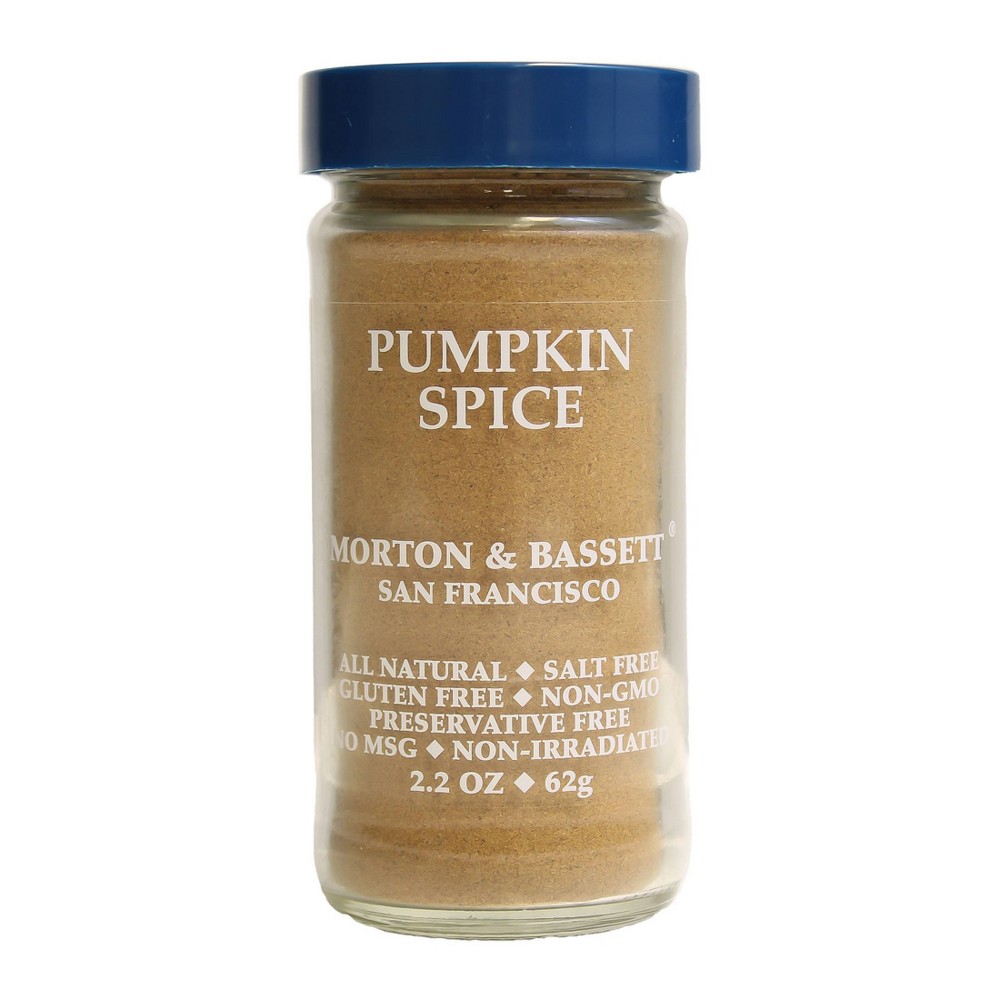
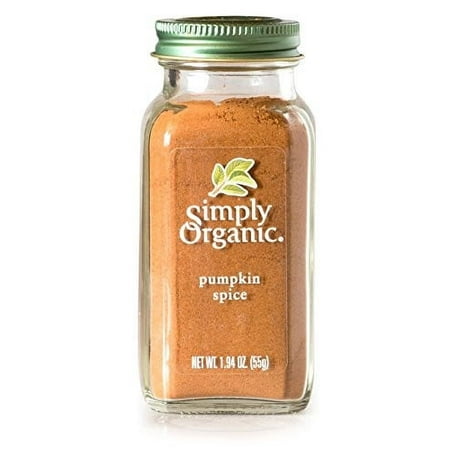
Pumpkin spice is a blend of spices like cinnamon, nutmeg, and cloves, which are rich in antioxidants. These spices can have anti-inflammatory properties and enhance the flavor of foods naturally. The blend is often used to evoke seasonal flavors without added sugars.
Benefits
Provides antioxidants and enhances flavor without added sugars.
Unbleached wheat flourNeutral
Unbleached wheat flour is a staple ingredient providing structure and texture to baked goods. It is less processed than bleached flour, retaining more nutrients. However, it is still a refined carbohydrate with limited nutritional benefits.
Risks
May contribute to blood sugar spikes and is a common allergen for those with gluten sensitivity.
Benefits
Provides essential carbohydrates for energy and is a key component in baking for texture and structure.
SaltNeutral
Salt is a common seasoning that enhances flavor in foods. It is essential for maintaining fluid balance and nerve function. However, excessive intake can lead to hypertension and cardiovascular issues.
Risks
High sodium intake is associated with increased blood pressure and cardiovascular risk.
Benefits
Essential for fluid balance and nerve function in the body.
YeastNeutral
Yeast is a microorganism used in baking to leaven dough, contributing to the texture and rise of baked goods. It is a natural ingredient that also provides some B vitamins. However, it does not significantly impact the nutritional profile of the final product.
Benefits
Contributes to the leavening process and provides some B vitamins.
SugarBad
Refined sugar is a high-calorie ingredient with no essential nutrients. It can contribute to weight gain and increase the risk of chronic diseases when consumed in excess. Its presence in processed foods is often linked to higher calorie intake.
Risks
Excessive consumption can lead to obesity, type 2 diabetes, and heart disease.
Benefits
Provides quick energy but lacks nutritional benefits.
Processing
Processed Foods
Get the full breakdown in the Scout appTake Scout shopping
Scan any product to see lab results, healthy alternatives, and your personalized analysis.
Download on theApp Store GET IT ONGoogle Play