



At a glance
Summary
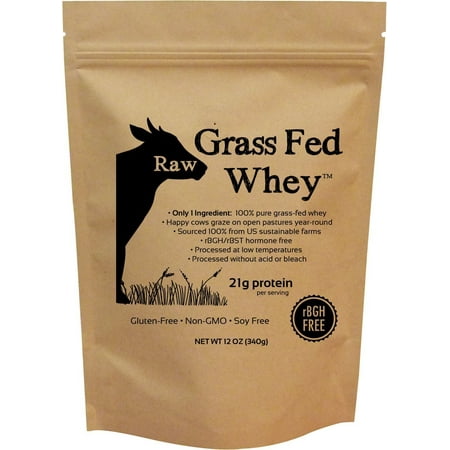
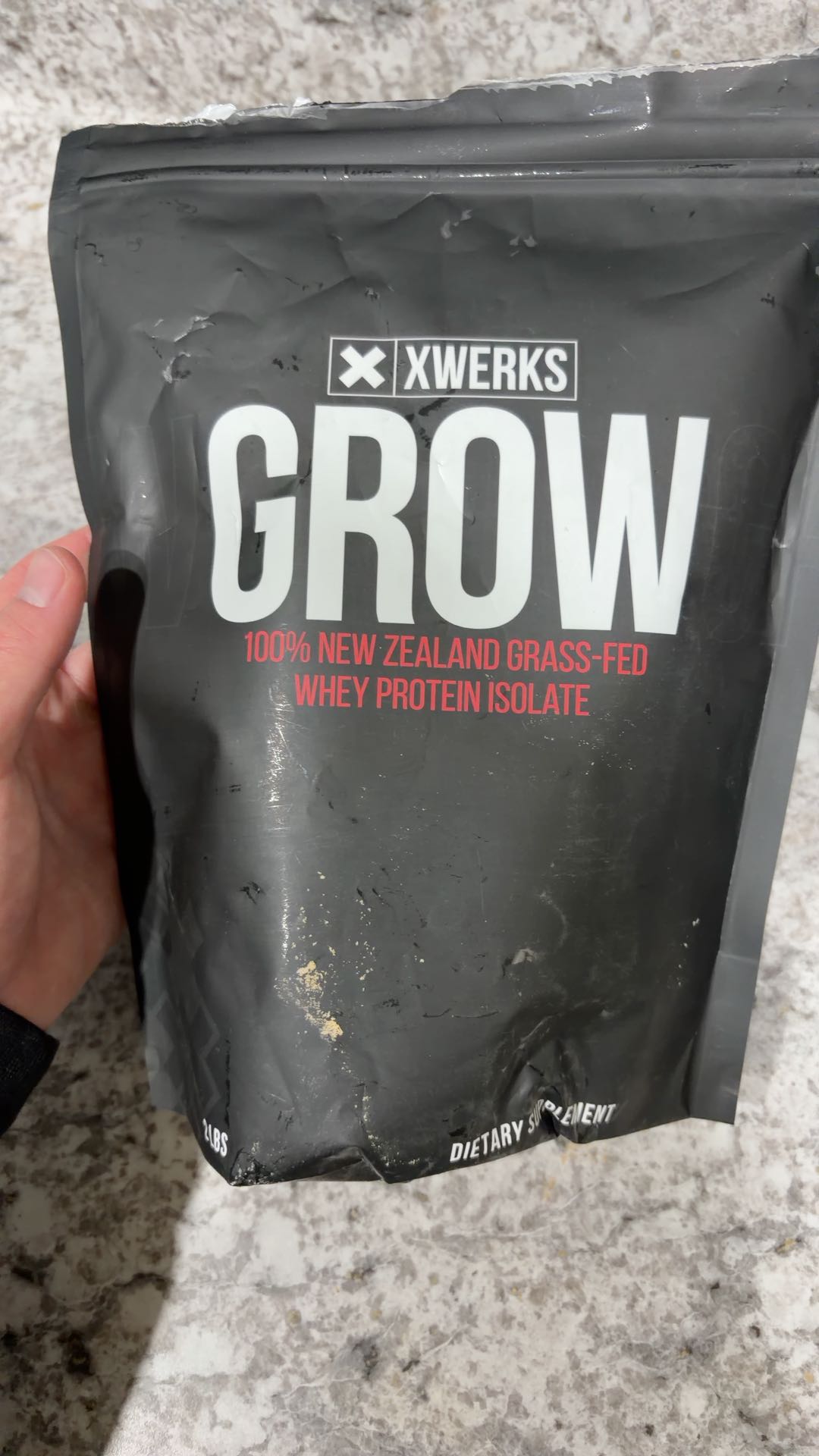
This whey protein product contains high-quality protein sources such as whey protein isolate and concentrate, which are beneficial for muscle growth and recovery. However, it includes natural and artificial flavors, which lack transparency and may contain synthetic chemicals, as well as sunflower creamer, which can introduce processed oils. These additives slightly detract from the overall formulation quality.
Key ingredients 6
Whey Protein IsolateVery Good
Whey protein isolate is a high-quality protein source with minimal fat and lactose content. It is processed to remove most non-protein components, making it ideal for those seeking a concentrated protein source. Its rich amino acid profile supports muscle growth and recovery.
Benefits
Provides a rich source of essential amino acids and supports muscle protein synthesis.
Whey Protein ConcentrateGood
Whey protein concentrate is a less processed form of whey protein that retains more of the natural nutrients found in milk. It contains slightly more fat and carbohydrates than isolate but offers a balanced protein source. Its natural nutrient profile supports overall health and muscle maintenance.
Risks
May contain lactose, which can be problematic for individuals with lactose intolerance.
Benefits
Offers a complete protein source with beneficial nutrients like immunoglobulins and lactoferrin.
Whey PeptidesGood
Whey peptides are pre-digested forms of whey protein that are rapidly absorbed by the body. They are processed to enhance bioavailability and support quick muscle recovery. This form of protein is beneficial for post-exercise recovery due to its fast absorption rate.
Benefits
Enhances muscle recovery and supports rapid protein synthesis due to quick absorption.
Natural And Artificial FlavorBad
Natural and artificial flavors are added to enhance taste but can include a wide range of chemical compounds. The lack of transparency in their composition can be concerning for those sensitive to additives. These flavors may mask the natural taste of the product and could include synthetic chemicals.
Risks
Potential for allergic reactions or sensitivities due to undisclosed chemical compounds.
LecithinBad
Processed additive flagged under Scout's ingredient doctrine.
Benefits
Improves product texture and mixability without significant nutritional impact.
Creamer (Sunflower)Bad
Sunflower creamer is often used to add creaminess but can contain processed oils and additives. It may include hydrogenated oils, which are concerning due to trans fat content. The use of sunflower oil in creamer form can contribute to an imbalance in omega-6 fatty acids.
Risks
High omega-6 content may promote inflammation when consumed in excess.
Processing
Processed Foods
Get the full breakdown in the Scout appTake Scout shopping
Scan any product to see lab results, healthy alternatives, and your personalized analysis.
Download on theApp Store GET IT ONGoogle Play