

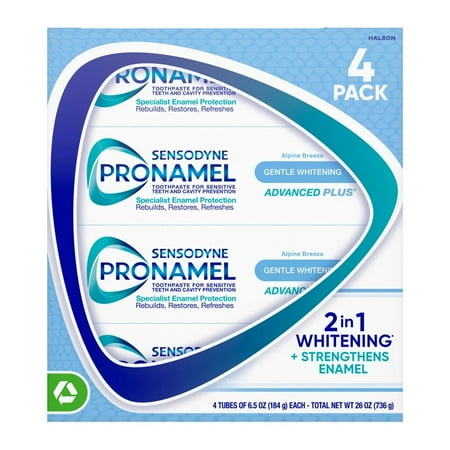
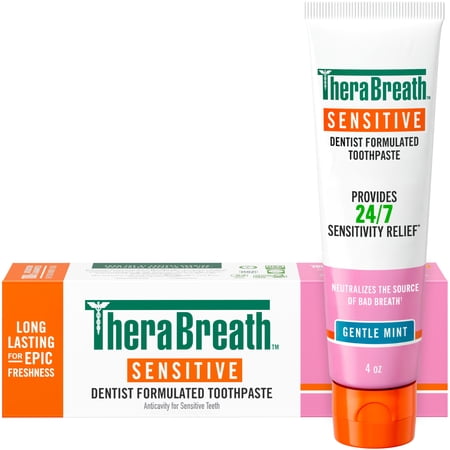
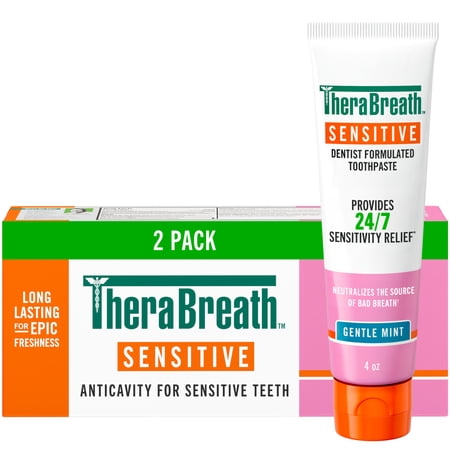

Elmex Sensitive Professional Toothpaste With Gentle Whitening Lot Of 2x 75 Ml
Summary
This toothpaste contains beneficial ingredients like hydrated silica and arginine, which help in cleaning and reducing tooth sensitivity. However, the presence of sodium lauryl sulfate and titanium dioxide, both of which are heavily processed, raises concerns about potential irritation and safety. The product's processing level and inclusion of these controversial ingredients limit its score.
At a glance
Key ingredients 16
AquaNeutral
Aqua, or water, is used as a solvent in toothpaste formulations. It helps dissolve other ingredients and provides the necessary consistency. No significant health risks identified for this ingredient.
See more about Aqua →SorbitolNeutral
Sorbitol is a sugar alcohol used as a sweetener and humectant in toothpaste. It helps retain moisture and provides a sweet taste without promoting tooth decay. It is generally considered safe but can cause digestive issues in large amounts.
Risks
Excessive consumption may lead to digestive discomfort such as bloating or diarrhea.
Benefits
Helps maintain moisture and provides sweetness without contributing to tooth decay.
Hydrated SilicaGood
Hydrated silica is used as an abrasive agent to help remove plaque and stains from teeth. It is a naturally occurring mineral that is processed to achieve the desired texture and abrasiveness. It is effective in maintaining oral hygiene by aiding in the mechanical cleaning of teeth.
Benefits
Effective in removing plaque and surface stains, contributing to oral cleanliness.
GlycerinNeutral
Glycerin is used as a humectant to prevent toothpaste from drying out. It is a byproduct of soap manufacturing and is generally recognized as safe. It helps maintain the smooth texture of the toothpaste.
Benefits
Helps maintain moisture and texture in toothpaste formulations.
ArginineGood
Arginine is an amino acid that can help reduce tooth sensitivity by occluding dentin tubules. It is naturally found in foods and is used in toothpaste for its desensitizing properties. It is beneficial for individuals with sensitive teeth.
Benefits
Helps reduce tooth sensitivity and improve oral comfort.
Sodium Lauryl SulfateBad
Sodium lauryl sulfate is a surfactant used to create foam in toothpaste. It is derived from coconut or palm kernel oil but is heavily processed. It can cause irritation in some individuals, particularly those with sensitive oral tissues.
Risks
May cause irritation or allergic reactions in sensitive individuals.
AromaNeutral
Aroma refers to the flavoring agents used to improve the taste of toothpaste. These are typically synthetic or natural compounds added for consumer appeal. The specific composition is not disclosed, which can be a concern for those with allergies.
Risks
Potential allergen risk due to undisclosed composition.
Benefits
Improves the taste and user experience of the toothpaste.
Titanium DioxideBad
Titanium dioxide is used as a whitening agent to give toothpaste a bright white appearance. It is a mineral that undergoes extensive processing to achieve its final form. Concerns have been raised about its safety, particularly in nanoparticle form.
Risks
Potential health concerns related to inhalation or ingestion of nanoparticles.
Sodium MonofluorophosphateGood
Sodium monofluorophosphate is a fluoride compound used to prevent dental cavities. It is a well-researched ingredient that strengthens tooth enamel and reduces the risk of decay. It is considered safe and effective in appropriate concentrations.
Risks
Excessive ingestion can lead to dental fluorosis, especially in children.
Benefits
Strengthens enamel and helps prevent cavities.
Potassium NitrateGood
Potassium nitrate is used to reduce tooth sensitivity by calming the nerves in the teeth. It is a common ingredient in desensitizing toothpaste and is considered safe for use. It provides relief for individuals with sensitive teeth.
Benefits
Helps reduce tooth sensitivity and provides relief from discomfort.
Calcium CarbonateGood
Calcium carbonate is used as a mild abrasive to help clean teeth and remove plaque. It is a naturally occurring mineral that is processed for use in toothpaste. It contributes to the mechanical cleaning action of the toothpaste.
Benefits
Aids in cleaning teeth and removing plaque.
BicarbonateNeutral
Bicarbonate, often in the form of sodium bicarbonate, is used for its mild abrasive and neutralizing properties. It helps in cleaning teeth and maintaining pH balance in the mouth. It is generally considered safe and effective.
Benefits
Helps clean teeth and maintain oral pH balance.
Cellulose GumNeutral
Cellulose gum is used as a thickening agent to stabilize toothpaste consistency. It is derived from plant fibers and is considered safe for use. It helps maintain the desired texture of the toothpaste.
Benefits
Helps stabilize and maintain the texture of toothpaste.
Sodium BicarbonateGood
Sodium bicarbonate, also known as baking soda, is used for its mild abrasive and neutralizing properties. It helps in cleaning teeth and neutralizing acids in the mouth. It is a natural ingredient that is effective in oral care.
Benefits
Helps clean teeth and neutralize oral acids.
Zinc PhosphateNeutral
Zinc phosphate is used for its potential to inhibit plaque formation and improve oral health. It is a mineral compound that is processed for use in dental products. It is generally considered safe and effective.
Benefits
May help inhibit plaque formation and support oral health.
Cocamidopropyl BetaineNeutral
Cocamidopropyl betaine is a surfactant used to create foam and improve the texture of toothpaste. It is derived from coconut oil but undergoes chemical processing. It is generally considered safe but can cause irritation in some individuals.
Risks
May cause irritation or allergic reactions in sensitive individuals.
Benefits
Improves texture and foaming properties of toothpaste.
Processing
Processed Foods
Get the full breakdown in the Scout app
Scan any product to see lab results, healthy alternatives, and your personalized analysis.
Download on theApp Store