


At a glance
Summary
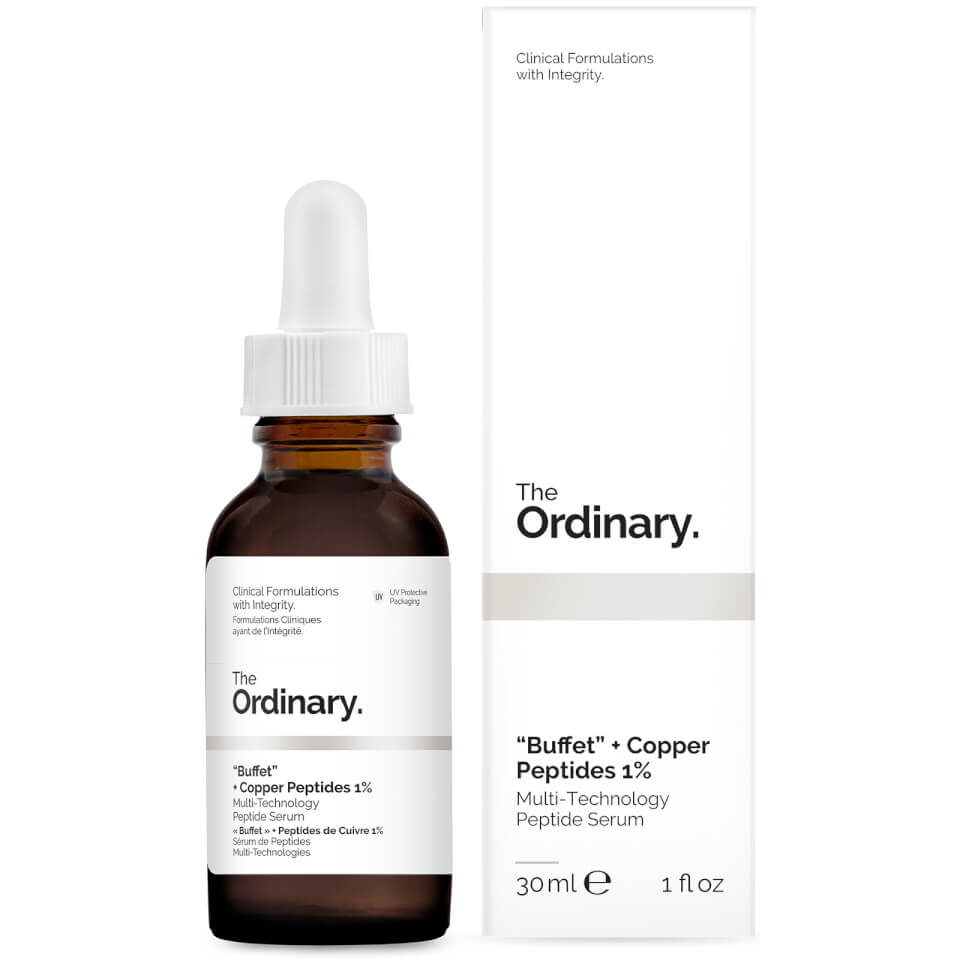
This product contains several beneficial ingredients such as Camellia Sinensis Leaf Water, Niacinamide, and Sodium Hyaluronate, which are known for their antioxidant, hydrating, and soothing properties. However, the presence of Sodium Laureth-4 Phosphate, which carries a contamination risk, and Parfum, a potential skin irritant, detracts from its overall safety profile. The formulation is a mix of natural and synthetic components, leading to a moderate processing level.
Key ingredients 42
Camellia Sinensis Leaf WaterVery Good
Camellia Sinensis Leaf Water is derived from green tea and is known for its antioxidant properties. It helps protect the skin from environmental damage and soothes irritation.
Risks
There are minimal risks associated with this ingredient, though rare allergic reactions can occur.
Benefits
It provides strong antioxidant benefits and helps calm and protect the skin.
Centella Asiatica ExtractVery Good
Centella Asiatica Extract is known for its healing and anti-inflammatory properties. It helps to soothe irritated skin and promote healing.
Risks
There are minimal risks, though rare allergic reactions can occur.
Benefits
It soothes and heals the skin, reducing inflammation and promoting repair.
Camellia Sinensis Leaf ExtractVery Good
Camellia Sinensis Leaf Extract is rich in antioxidants and helps to protect the skin from environmental damage. It also has soothing properties.
Risks
There are minimal risks, though rare allergic reactions can occur.
Benefits
It provides antioxidant protection and soothes the skin.
Acetyl Hexapeptide-8Very Good
Acetyl Hexapeptide-8 is known for its anti-aging properties. It helps to reduce the appearance of fine lines and wrinkles.
Risks
There are minimal risks associated with this ingredient.
Benefits
It helps to reduce the appearance of fine lines and wrinkles.
Copper Tripeptide-1Very Good
Copper Tripeptide-1 is known for its skin regeneration and anti-aging properties. It helps to improve skin elasticity and firmness.
Risks
There are minimal risks associated with this ingredient.
Benefits
It promotes skin regeneration and improves elasticity.
Hexapeptide-9Very Good
Hexapeptide-9 is known for its anti-aging and skin-repairing properties. It helps to improve skin texture and reduce the appearance of wrinkles.
Risks
There are minimal risks associated with this ingredient.
Benefits
It helps to improve skin texture and reduce wrinkles.
Nonapeptide-1Very Good
Nonapeptide-1 is known for its skin brightening properties. It helps to reduce hyperpigmentation and even out skin tone.
Risks
There are minimal risks associated with this ingredient.
Benefits
It helps to brighten the skin and reduce hyperpigmentation.
Palmitoyl Pentapeptide-4Very Good
Palmitoyl Pentapeptide-4 is known for its anti-aging properties. It helps to stimulate collagen production and improve skin firmness.
Risks
There are minimal risks associated with this ingredient.
Benefits
It helps to improve skin firmness and reduce wrinkles.
Palmitoyl Tetrapeptide-7Very Good
Palmitoyl Tetrapeptide-7 is known for its anti-inflammatory and anti-aging properties. It helps to reduce skin inflammation and improve elasticity.
Risks
There are minimal risks associated with this ingredient.
Benefits
It helps to reduce inflammation and improve skin elasticity.
Palmitoyl Tripeptide-1Very Good
Palmitoyl Tripeptide-1 is known for its collagen-boosting properties. It helps to improve skin texture and reduce the appearance of fine lines.
Risks
There are minimal risks associated with this ingredient.
Benefits
It helps to boost collagen production and improve skin texture.
Tripeptide-1Very Good
Tripeptide-1 is known for its skin-repairing and anti-aging properties. It helps to improve skin texture and reduce the appearance of wrinkles.
Risks
There are minimal risks associated with this ingredient.
Benefits
It helps to repair the skin and reduce wrinkles.
Acetyl Tetrapeptide-5Very Good
Acetyl Tetrapeptide-5 is known for its anti-edema and anti-aging properties. It helps to reduce puffiness and improve skin elasticity.
Risks
There are minimal risks associated with this ingredient.
Benefits
It helps to reduce puffiness and improve skin elasticity.
NiacinamideGood
Niacinamide is a form of Vitamin B3 that is known for its anti-inflammatory and brightening properties. It helps to improve skin texture and tone.
Risks
There are minimal risks, though high concentrations may cause irritation.
Benefits
It reduces inflammation, improves skin tone, and strengthens the skin barrier.
GlycerinGood
Glycerin is a well-known humectant that attracts moisture to the skin. It is highly effective in maintaining skin hydration.
Risks
There are minimal risks associated with glycerin.
Benefits
It helps to keep the skin hydrated and soft.
Coptis Japonica Root ExtractGood
Coptis Japonica Root Extract is known for its anti-inflammatory and antimicrobial properties. It helps to soothe and protect the skin.
Risks
There are minimal risks, though allergic reactions are possible.
Benefits
It provides soothing and protective benefits to the skin.
Sodium HyaluronateGood
Sodium Hyaluronate is a form of hyaluronic acid that is highly effective in hydrating the skin. It helps to retain moisture and improve skin elasticity.
Risks
There are minimal risks associated with this ingredient.
Benefits
It provides intense hydration and improves skin elasticity.
AdenosineGood
Adenosine is known for its anti-wrinkle and soothing properties. It helps to improve the appearance of fine lines and supports skin repair.
Risks
There are minimal risks, though rare allergic reactions can occur.
Benefits
It helps to reduce the appearance of wrinkles and supports skin health.
Ceramide NPGood
Ceramide NP is a lipid that helps to restore the skin barrier and retain moisture. It is essential for maintaining healthy skin.
Risks
There are minimal risks associated with this ingredient.
Benefits
It strengthens the skin barrier and improves moisture retention.
GlycineGood
Beneficial ingredient — whole-food or functional value in this product class.
Risks
There are minimal risks associated with this ingredient.
Benefits
It helps to improve skin texture and hydration.
GluconolactoneGood
Beneficial ingredient — whole-food or functional value in this product class.
Risks
It may cause mild irritation in sensitive skin.
Benefits
It provides gentle exfoliation and improves skin hydration.
TriethylhexanoinNeutral
Triethylhexanoin is an emollient that helps to soften and smooth the skin. It is generally considered safe and non-irritating.
Risks
There are minimal risks, though it may cause mild irritation in sensitive individuals.
Benefits
It helps to improve skin texture by providing moisture and softness.
Hydrogenated Poly(C6-14 Olefin)Neutral
This ingredient acts as a skin conditioning agent and is used for its emollient properties. It is generally considered safe for use in cosmetics.
Risks
There are minimal risks associated with this ingredient.
Benefits
It helps to condition the skin and improve its texture.
MethylpropanediolNeutral
Methylpropanediol is a solvent and skin conditioning agent. It enhances the penetration of other ingredients into the skin.
Risks
It may cause mild irritation in sensitive skin types.
Benefits
It improves the efficacy of active ingredients by enhancing their absorption.
Butylene GlycolNeutral
Butylene Glycol is a common solvent and conditioning agent in cosmetics. It helps to retain moisture in the skin.
Risks
It can cause irritation in very sensitive skin.
Benefits
It acts as a humectant, drawing moisture into the skin.
HydroxyacetophenoneNeutral
Hydroxyacetophenone is an antioxidant and skin conditioning agent. It helps to stabilize formulations and protect the skin.
Risks
There are minimal risks associated with this ingredient.
Benefits
It provides antioxidant protection and helps maintain product stability.
EthylhexylglycerinNeutral
Ethylhexylglycerin is a conditioning agent and preservative enhancer. It is generally considered safe for use in cosmetics.
Risks
It may cause mild irritation in sensitive individuals.
Benefits
It enhances the efficacy of preservatives and conditions the skin.
Polyquaternium-51Neutral
Polyquaternium-51 is a film-forming agent that helps to retain moisture on the skin. It is generally considered safe for use in cosmetics.
Risks
There are minimal risks associated with this ingredient.
Benefits
It helps to maintain skin hydration by forming a protective film.
Tetrahydroxypropyl EthylenediamineNeutral
Tetrahydroxypropyl Ethylenediamine is used as a buffering agent in cosmetics. It helps to maintain the stability of the product.
Risks
There are minimal risks associated with this ingredient.
Benefits
It helps to stabilize the pH of cosmetic formulations.
TromethamineNeutral
Tromethamine is a pH adjuster used in cosmetics to maintain product stability. It is generally considered safe for use.
Risks
It may cause mild irritation in sensitive skin.
Benefits
It helps to maintain the stability and efficacy of the product.
Malachite ExtractNeutral
Malachite Extract is known for its antioxidant properties. It helps to protect the skin from environmental damage.
Risks
There are minimal risks associated with this ingredient.
Benefits
It provides antioxidant protection to the skin.
Hydrogenated LecithinNeutral
Hydrogenated Lecithin is an emollient and emulsifier that helps to improve the texture of cosmetic products. It is generally considered safe for use.
Risks
There are minimal risks associated with this ingredient.
Benefits
It helps to improve product texture and provides moisture to the skin.
Ficus Carica Fruit ExtractNeutral
Ficus Carica Fruit Extract is used for its antioxidant and moisturizing properties. It helps to protect the skin from environmental damage.
Risks
There are minimal risks associated with this ingredient.
Benefits
It provides antioxidant protection and helps to moisturize the skin.
Lactococcus Ferment LysateNeutral
Lactococcus Ferment Lysate is a probiotic ingredient that helps to support the skin's natural barrier. It is generally considered safe for use.
Risks
There are minimal risks associated with this ingredient.
Benefits
It supports the skin's natural barrier and promotes a healthy microbiome.
FructooligosaccharidesNeutral
Fructooligosaccharides are used for their moisturizing properties and prebiotic benefits. They help to support the skin's natural microbiome.
Risks
There are minimal risks associated with this ingredient.
Benefits
They provide moisture and support a healthy skin microbiome.
ArginineNeutral
Arginine is an amino acid that helps to improve skin hydration and elasticity. It is generally considered safe for use in cosmetics.
Risks
There are minimal risks associated with this ingredient.
Benefits
It helps to improve skin hydration and elasticity.
Cyperus Rotundus Root ExtractNeutral
Cyperus Rotundus Root Extract is known for its antioxidant and soothing properties. It helps to protect the skin from environmental damage.
Risks
There are minimal risks associated with this ingredient.
Benefits
It provides antioxidant protection and soothes the skin.
Caprylyl GlycolNeutral
Caprylyl Glycol is a conditioning agent and preservative enhancer. It is generally considered safe for use in cosmetics.
Risks
It may cause mild irritation in sensitive individuals.
Benefits
It enhances the efficacy of preservatives and conditions the skin.
Capryloyl Salicylic AcidNeutral
Capryloyl Salicylic Acid is a derivative of salicylic acid that helps to exfoliate the skin. It is generally considered safe for use in cosmetics.
Risks
It may cause irritation in sensitive skin.
Benefits
It helps to exfoliate the skin and improve texture.
Helianthus Annuus Seed Oil UnsaponifiablesNeutral
Helianthus Annuus Seed Oil Unsaponifiables are used for their emollient properties. They help to soften and condition the skin.
Risks
There are minimal risks associated with this ingredient.
Benefits
They help to soften and condition the skin.
Sodium ChlorideNeutral
Sodium Chloride is used as a thickening agent in cosmetics. It is generally considered safe for use.
Risks
It may cause mild irritation in sensitive skin.
Benefits
It helps to thicken formulations and improve texture.
Sodium Laureth-4 PhosphateBad
Sodium Laureth-4 Phosphate is a surfactant that can be irritating to the skin. It carries a risk of contamination with 1,4-dioxane, a potential carcinogen.
Risks
It may cause skin irritation and has contamination concerns.
Benefits
It helps to cleanse and emulsify products.
ParfumBad
Parfum, or fragrance, can cause skin irritation and allergic reactions. It is a common allergen in cosmetic products.
Risks
It may cause allergic reactions and skin irritation.
Benefits
It provides a pleasant scent to the product.
Processing
Processed Foods
Get the full breakdown in the Scout appTake Scout shopping
Scan any product to see lab results, healthy alternatives, and your personalized analysis.
Download on theApp Store GET IT ONGoogle Play