


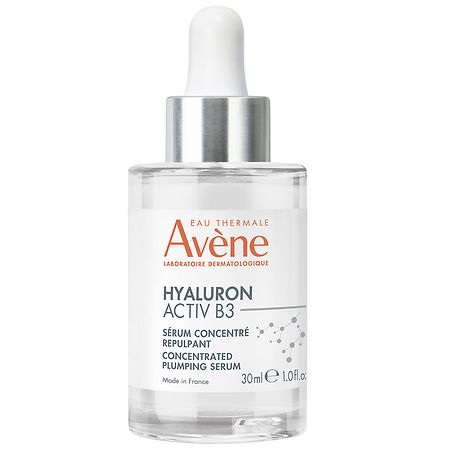
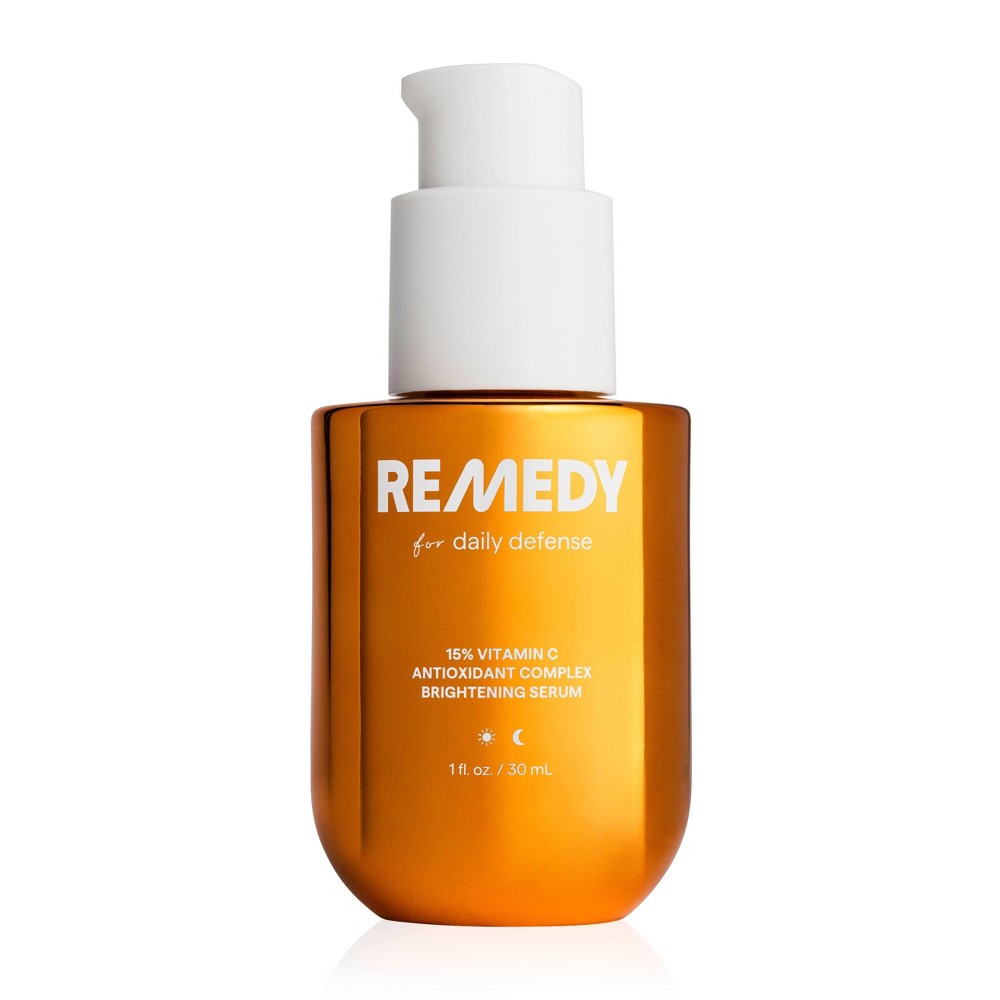
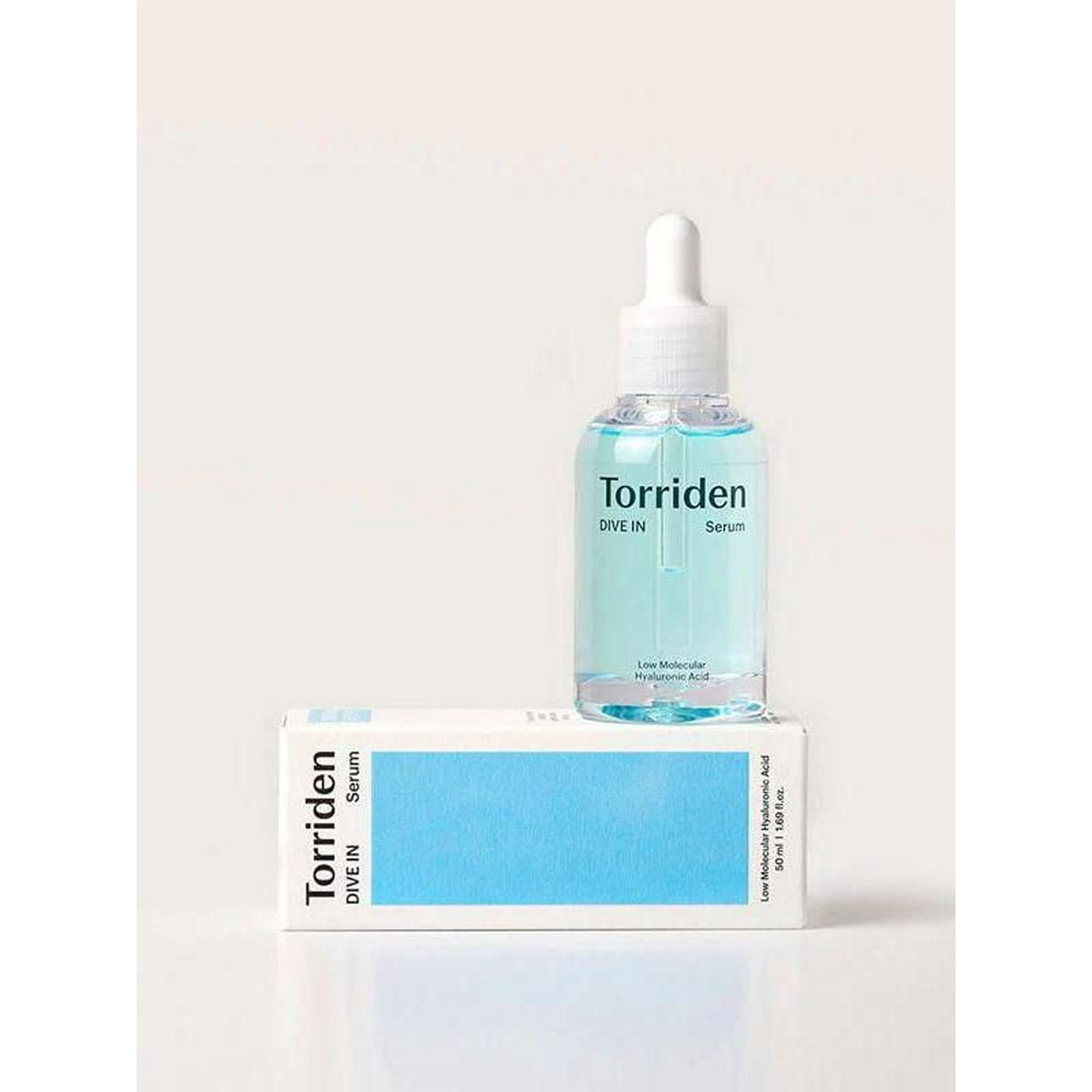
1.69 oz Madagascar Centella Hyalu Cica Water Fit Sun Serum
Analysis updated August 2026 · How Scout scores
At a glance
Summary
This sun serum contains beneficial ingredients like niacinamide, glycerin, and Centella Asiatica extract, which are known for their skin-soothing and hydrating properties. However, it also includes chemical UV filters such as Diethylamino Hydroxybenzoyl Hexyl Benzoate and Ethylhexyl Triazone, which can be concerning due to potential skin irritation and environmental impact. The presence of acrylates and other synthetic polymers indicates a moderate level of processing, which affects the overall score.
Key ingredients 42
Centella Asiatica ExtractVery Good
Centella Asiatica Extract is a botanical extract known for its soothing and healing properties. It helps to calm irritated skin and promote skin repair. It is well-tolerated by most skin types.
Risks
There are minimal risks associated with this extract, though some individuals may experience mild irritation.
Benefits
It helps to reduce inflammation, improve skin elasticity, and enhance the skin barrier function.
Camellia Sinensis Leaf ExtractVery Good
Camellia Sinensis Leaf Extract, also known as green tea extract, is a powerful antioxidant with anti-inflammatory properties. It helps to protect the skin from environmental damage and reduce inflammation. It is well-tolerated by most skin types.
Risks
There are minimal risks associated with this extract, though some individuals may experience mild irritation.
Benefits
It helps to improve skin elasticity, reduce redness, and protect against oxidative stress.
AdenosineVery Good
Adenosine is a skin-soothing and anti-aging ingredient used in cosmetics. It helps to improve skin elasticity and reduce the appearance of fine lines. It is well-tolerated by most skin types.
Risks
There are minimal risks associated with adenosine, though some individuals may experience mild irritation.
Benefits
It helps to improve skin elasticity and reduce the appearance of fine lines and wrinkles.
TocopherolVery Good
Tocopherol, also known as Vitamin E, is a powerful antioxidant used in cosmetics. It helps to protect the skin from environmental damage and improve skin texture. It is well-tolerated by most skin types.
Risks
There are minimal risks associated with tocopherol, though some individuals may experience mild irritation.
Benefits
It helps to improve skin elasticity, reduce redness, and protect against oxidative stress.
Hydrolyzed Hyaluronic AcidVery Good
Hydrolyzed Hyaluronic Acid is a form of hyaluronic acid that is used for its hydrating and skin-plumping properties. It helps to attract and retain moisture in the skin. It is well-tolerated by most skin types.
Risks
There are minimal risks associated with hydrolyzed hyaluronic acid, though some individuals may experience mild irritation.
Benefits
It helps to maintain skin hydration, improve skin elasticity, and reduce the appearance of fine lines.
NiacinamideGood
Niacinamide is a form of Vitamin B3 that is used for its anti-inflammatory and skin-brightening properties. It helps to improve skin texture and tone. It is well-tolerated by most skin types.
Risks
There are minimal risks associated with niacinamide, though some individuals may experience mild irritation.
Benefits
It helps to reduce redness, improve skin elasticity, and enhance the skin barrier function.
GlycerinGood
Glycerin is a humectant that attracts moisture to the skin, helping to keep it hydrated. It is widely used in cosmetics for its moisturizing properties. It is well-tolerated by most skin types.
Risks
There are minimal risks associated with glycerin, though it may cause mild irritation in very sensitive individuals.
Benefits
It helps to maintain skin hydration and improve skin barrier function.
Betula Alba Bark/Leaf ExtractGood
Betula Alba Bark/Leaf Extract is a botanical extract known for its anti-inflammatory and antioxidant properties. It helps to soothe and protect the skin. It is generally considered safe for use in cosmetics.
Risks
There are minimal risks associated with this extract, though some individuals may experience mild irritation.
Benefits
It helps to calm irritated skin and protect against environmental damage.
Ginkgo Biloba Leaf ExtractGood
Ginkgo Biloba Leaf Extract is a botanical extract known for its antioxidant and anti-inflammatory properties. It helps to protect the skin from environmental damage and reduce inflammation. It is well-tolerated by most skin types.
Risks
There are minimal risks associated with this extract, though some individuals may experience mild irritation.
Benefits
It helps to improve skin elasticity and protect against oxidative stress.
Triticum Vulgare Sprout ExtractGood
Triticum Vulgare Sprout Extract is a botanical extract known for its antioxidant and skin-conditioning properties. It helps to protect the skin from environmental damage and improve skin texture. It is generally considered safe for use in cosmetics.
Risks
There are minimal risks associated with this extract, though some individuals may experience mild irritation.
Benefits
It helps to improve skin elasticity and protect against oxidative stress.
Medicago Sativa Leaf ExtractGood
Medicago Sativa Leaf Extract, also known as alfalfa extract, is a botanical extract known for its antioxidant and skin-conditioning properties. It helps to protect the skin from environmental damage and improve skin texture. It is generally considered safe for use in cosmetics.
Risks
There are minimal risks associated with this extract, though some individuals may experience mild irritation.
Benefits
It helps to improve skin elasticity and protect against oxidative stress.
Brassica Oleracea Italica Sprout ExtractGood
Brassica Oleracea Italica Sprout Extract, also known as broccoli sprout extract, is a botanical extract known for its antioxidant and skin-conditioning properties. It helps to protect the skin from environmental damage and improve skin texture. It is generally considered safe for use in cosmetics.
Risks
There are minimal risks associated with this extract, though some individuals may experience mild irritation.
Benefits
It helps to improve skin elasticity and protect against oxidative stress.
Eruca Sativa Leaf ExtractGood
Eruca Sativa Leaf Extract, also known as arugula extract, is a botanical extract known for its antioxidant and skin-conditioning properties. It helps to protect the skin from environmental damage and improve skin texture. It is generally considered safe for use in cosmetics.
Risks
There are minimal risks associated with this extract, though some individuals may experience mild irritation.
Benefits
It helps to improve skin elasticity and protect against oxidative stress.
Camellia Japonica Leaf ExtractGood
Camellia Japonica Leaf Extract is a botanical extract known for its antioxidant and skin-conditioning properties. It helps to protect the skin from environmental damage and improve skin texture. It is generally considered safe for use in cosmetics.
Risks
There are minimal risks associated with this extract, though some individuals may experience mild irritation.
Benefits
It helps to improve skin elasticity and protect against oxidative stress.
Sodium HyaluronateGood
Sodium Hyaluronate is a form of hyaluronic acid that is used for its hydrating and skin-plumping properties. It helps to attract and retain moisture in the skin. It is well-tolerated by most skin types.
Risks
There are minimal risks associated with sodium hyaluronate, though some individuals may experience mild irritation.
Benefits
It helps to maintain skin hydration, improve skin elasticity, and reduce the appearance of fine lines.
Decyl GlucosideGood
Beneficial ingredient — whole-food or functional value in this product class.
Risks
There are minimal risks associated with decyl glucoside, though it may cause mild irritation in sensitive individuals.
Benefits
It helps to cleanse the skin without stripping natural oils.
InositolGood
Beneficial ingredient — whole-food or functional value in this product class.
Risks
There are minimal risks associated with inositol, though it may cause mild irritation in sensitive individuals.
Benefits
It helps to improve skin hydration and texture.
Hyaluronic AcidGood
Hyaluronic Acid is a powerful humectant used for its hydrating and skin-plumping properties. It helps to attract and retain moisture in the skin. It is well-tolerated by most skin types.
Risks
There are minimal risks associated with hyaluronic acid, though some individuals may experience mild irritation.
Benefits
It helps to maintain skin hydration, improve skin elasticity, and reduce the appearance of fine lines.
WaterNeutral
Water is a common solvent used in cosmetics to dissolve other ingredients. It helps in the application and absorption of the product. It is generally considered safe and non-irritating.
Risks
There are no significant risks associated with water in cosmetics.
Benefits
Water helps in hydrating the skin and acts as a carrier for other beneficial ingredients.
Dibutyl AdipateNeutral
Dibutyl Adipate is used as an emollient and plasticizer in cosmetics. It helps to soften and smooth the skin. It is generally considered safe for use in cosmetics.
Risks
There are minimal risks associated with Dibutyl Adipate, though some individuals may experience mild irritation.
Benefits
It provides a smooth texture to the product and helps in moisturizing the skin.
PropanediolNeutral
Propanediol is a glycol used as a solvent and skin-conditioning agent. It enhances the absorption of other ingredients. It is generally regarded as safe for use in cosmetics.
Risks
Propanediol can cause mild irritation in sensitive individuals.
Benefits
It helps in improving the texture and feel of the product on the skin.
Diethylamino Hydroxybenzoyl Hexyl BenzoateNeutral
This ingredient is a UV filter used in sunscreens to protect the skin from UVA rays. It is considered effective and safe for use in cosmetics. It is approved for use in many countries.
Risks
There are no significant risks associated with this ingredient when used as directed.
Benefits
It provides protection against UVA radiation, which can cause skin aging and damage.
PolymethylsilsesquioxaneNeutral
Polymethylsilsesquioxane is a silicone used to improve the texture and spreadability of products. It provides a smooth, silky feel. It is generally considered safe for use in cosmetics.
Risks
Silicones can sometimes cause build-up on the skin, leading to clogged pores.
Benefits
It enhances the application and feel of the product on the skin.
Ethylhexyl TriazoneNeutral
Ethylhexyl Triazone is a UV filter used to protect the skin from UVB rays. It is highly effective and stable in formulations. It is widely used in sunscreens.
Risks
There are minimal risks associated with this ingredient when used as directed.
Benefits
It provides strong protection against UVB radiation, which can cause sunburn and skin cancer.
Methylene Bis-Benzotriazolyl TetramethylbutylphenolNeutral
This ingredient is a broad-spectrum UV filter used in sunscreens. It protects against both UVA and UVB rays. It is considered safe and effective for use in cosmetics.
Risks
There are no significant risks associated with this ingredient when used as directed.
Benefits
It offers comprehensive protection against UV radiation, helping to prevent skin damage.
Coco-Caprylate/CaprateNeutral
Coco-Caprylate/Caprate is an emollient derived from coconut oil and caprylic acid. It provides a lightweight, non-greasy feel. It is generally considered safe for use in cosmetics.
Risks
There are minimal risks associated with this ingredient, though it may cause mild irritation in sensitive individuals.
Benefits
It helps to soften and smooth the skin, improving the overall feel of the product.
Caprylyl MethiconeNeutral
Caprylyl Methicone is a silicone used to enhance the texture and spreadability of products. It provides a silky, smooth feel. It is generally considered safe for use in cosmetics.
Risks
Silicones can sometimes cause build-up on the skin, leading to clogged pores.
Benefits
It improves the application and feel of the product on the skin.
Diethylhexyl Butamido TriazoneNeutral
This ingredient is a UV filter used in sunscreens to protect the skin from UVB rays. It is effective and stable in formulations. It is widely used in sunscreens.
Risks
There are minimal risks associated with this ingredient when used as directed.
Benefits
It provides strong protection against UVB radiation, which can cause sunburn and skin cancer.
1, 2-HexanediolNeutral
1, 2-Hexanediol is a glycol used as a solvent and preservative in cosmetics. It helps to stabilize formulations and enhance the absorption of other ingredients. It is generally considered safe for use in cosmetics.
Risks
There are minimal risks associated with this ingredient, though it may cause mild irritation in sensitive individuals.
Benefits
It helps to improve the stability and efficacy of cosmetic formulations.
Butylene GlycolNeutral
Butylene Glycol is a glycol used as a solvent and humectant in cosmetics. It helps to improve the texture and spreadability of products. It is generally considered safe for use in cosmetics.
Risks
There are minimal risks associated with this ingredient, though it may cause mild irritation in sensitive individuals.
Benefits
It helps to maintain skin hydration and improve the feel of the product.
Behenyl AlcoholNeutral
Behenyl Alcohol is a fatty alcohol used as an emollient and thickener in cosmetics. It helps to improve the texture and stability of products. It is generally considered safe for use in cosmetics.
Risks
There are minimal risks associated with behenyl alcohol, though it may cause mild irritation in sensitive individuals.
Benefits
It helps to soften and smooth the skin, improving the overall feel of the product.
Poly C10-30 Alkyl AcrylateNeutral
Poly C10-30 Alkyl Acrylate is a polymer used as a thickening agent in cosmetics. It helps to stabilize formulations and improve texture. It is generally considered safe for use in cosmetics.
Risks
There are minimal risks associated with this ingredient, though it may cause mild irritation in sensitive individuals.
Benefits
It helps to improve the stability and texture of cosmetic formulations.
Polyglyceryl-3 Methylglucose DistearateNeutral
Polyglyceryl-3 Methylglucose Distearate is an emulsifier used to blend oil and water-based ingredients. It helps to stabilize formulations and improve texture. It is generally considered safe for use in cosmetics.
Risks
There are minimal risks associated with this ingredient, though it may cause mild irritation in sensitive individuals.
Benefits
It helps to improve the stability and texture of cosmetic formulations.
TromethamineNeutral
Tromethamine is a pH adjuster used to stabilize the acidity of cosmetic formulations. It helps to maintain the stability and efficacy of products. It is generally considered safe for use in cosmetics.
Risks
There are minimal risks associated with tromethamine, though it may cause mild irritation in sensitive individuals.
Benefits
It helps to maintain the stability and efficacy of cosmetic formulations.
CarbomerNeutral
Carbomer is a polymer used as a thickening agent in cosmetics. It helps to stabilize formulations and improve texture. It is generally considered safe for use in cosmetics.
Risks
There are minimal risks associated with carbomer, though it may cause mild irritation in sensitive individuals.
Benefits
It helps to improve the stability and texture of cosmetic formulations.
Sodium Stearoyl GlutamateNeutral
Sodium Stearoyl Glutamate is an emulsifier used to blend oil and water-based ingredients. It helps to stabilize formulations and improve texture. It is generally considered safe for use in cosmetics.
Risks
There are minimal risks associated with this ingredient, though it may cause mild irritation in sensitive individuals.
Benefits
It helps to improve the stability and texture of cosmetic formulations.
Polyacrylate Crosspolymer-6Neutral
Polyacrylate Crosspolymer-6 is a polymer used as a thickening agent in cosmetics. It helps to stabilize formulations and improve texture. It is generally considered safe for use in cosmetics.
Risks
There are minimal risks associated with this ingredient, though it may cause mild irritation in sensitive individuals.
Benefits
It helps to improve the stability and texture of cosmetic formulations.
Xanthan GumNeutral
Xanthan Gum is a natural thickening agent used in cosmetics. It helps to stabilize formulations and improve texture. It is generally considered safe for use in cosmetics.
Risks
There are minimal risks associated with xanthan gum, though it may cause mild irritation in sensitive individuals.
Benefits
It helps to improve the stability and texture of cosmetic formulations.
T-Butyl AlcoholNeutral
T-Butyl Alcohol is used as a solvent and denaturant in cosmetics. It helps to dissolve other ingredients and improve the texture of products. It is generally considered safe for use in cosmetics.
Risks
There are minimal risks associated with T-Butyl Alcohol, though it may cause mild irritation in sensitive individuals.
Benefits
It helps to improve the texture and stability of cosmetic formulations.
Pentylene GlycolNeutral
Pentylene Glycol is a glycol used as a solvent and humectant in cosmetics. It helps to improve the texture and spreadability of products. It is generally considered safe for use in cosmetics.
Risks
There are minimal risks associated with pentylene glycol, though it may cause mild irritation in sensitive individuals.
Benefits
It helps to maintain skin hydration and improve the feel of the product.
EthylhexylglycerinNeutral
Ethylhexylglycerin is a preservative and skin-conditioning agent used in cosmetics. It helps to enhance the efficacy of other preservatives and improve skin texture. It is generally considered safe for use in cosmetics.
Risks
There are minimal risks associated with ethylhexylglycerin, though it may cause mild irritation in sensitive individuals.
Benefits
It helps to improve the stability and efficacy of cosmetic formulations.
Acrylates/C10-30 Alkyl Acrylate CrosspolymerBad
Processed additive flagged under Scout's ingredient doctrine.
Risks
There are minimal risks associated with this ingredient, though it may cause mild irritation in sensitive individuals.
Benefits
It helps to improve the stability and texture of cosmetic formulations.
Processing
Processed Foods
Get the full breakdown in the Scout appTake Scout shopping
Scan any product to see lab results, healthy alternatives, and your personalized analysis.
Download on theApp Store GET IT ONGoogle PlayAmazon pricing & content
Amazon price as of . Product prices and availability are accurate as of the date/time indicated and are subject to change. Any price and availability information displayed on Amazon.com at the time of purchase will apply to the purchase of this product.
CERTAIN CONTENT THAT APPEARS ON THIS SITE COMES FROM AMAZON. THIS CONTENT IS PROVIDED “AS IS” AND IS SUBJECT TO CHANGE OR REMOVAL AT ANY TIME.