

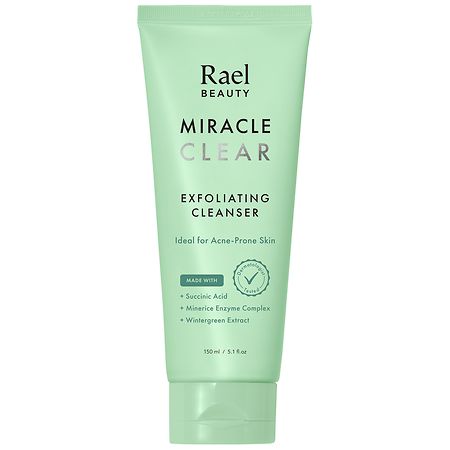
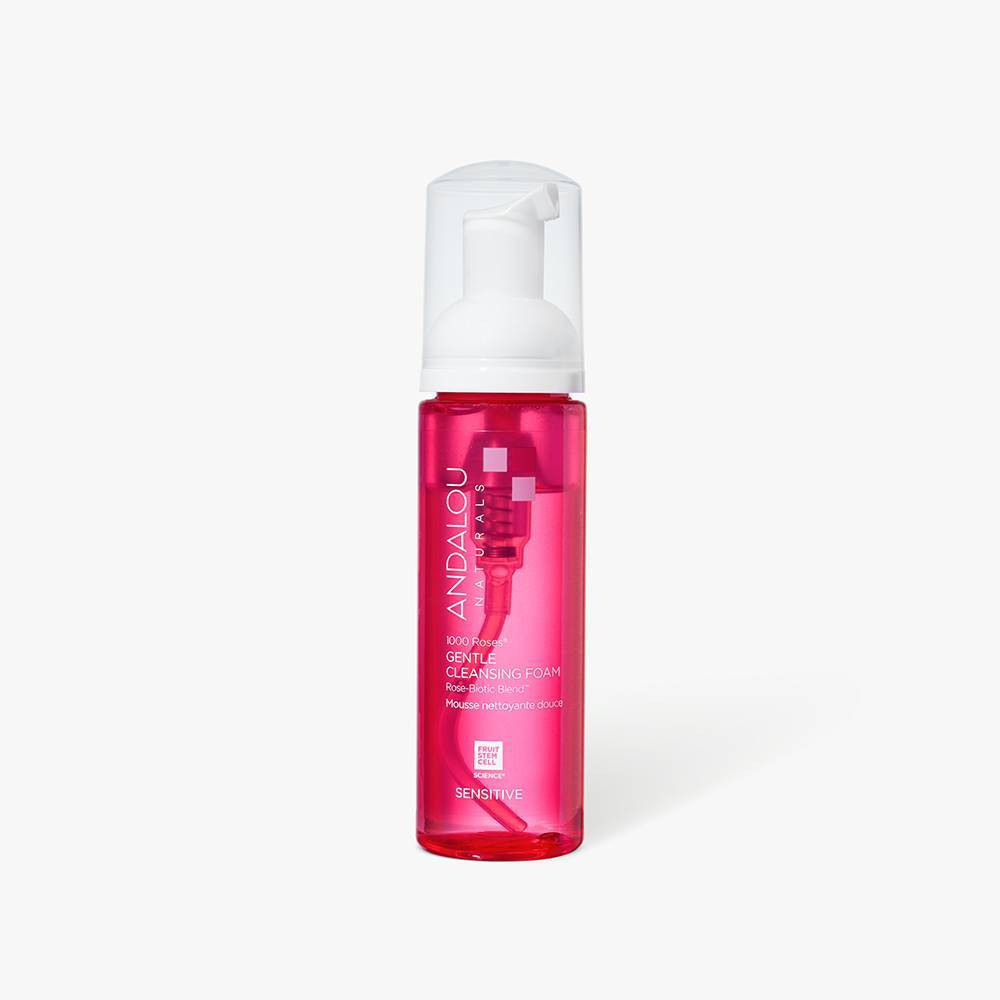
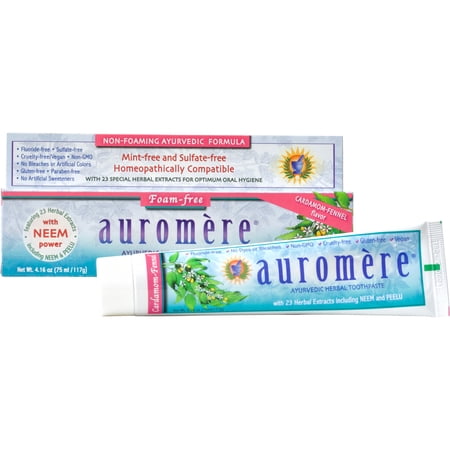

Skin1004 Centella Ampoule Foam 125 ml
Analysis updated August 2026 · How Scout scores
At a glance
Summary
This product features a blend of beneficial ingredients such as Centella Asiatica Extract, Glycerin, and Sodium Hyaluronate, which are known for their soothing, hydrating, and skin-regenerating properties. The formulation includes mild surfactants like Sodium Cocoyl Isethionate, which cleanse without stripping natural oils. However, the presence of synthetic preservatives and processing agents slightly lowers its overall rating, despite the predominantly natural and skin-friendly components.
Key ingredients 23
Centella Asiatica ExtractVery Good
Centella Asiatica Extract is known for its soothing and healing properties, making it beneficial for sensitive skin. It helps in reducing inflammation and promoting skin regeneration. This ingredient is highly valued in skincare for its ability to improve skin hydration and elasticity.
Risks
There are minimal risks associated with Centella Asiatica Extract, though some individuals may experience mild irritation.
Benefits
It is beneficial for calming irritated skin and enhancing the skin's natural barrier function.
Sodium Cocoyl IsethionateGood
Sodium Cocoyl Isethionate is a mild surfactant derived from coconut oil, known for its gentle cleansing properties. It is often used in formulations to create a creamy lather without stripping the skin of its natural oils. This ingredient is favored for its ability to cleanse effectively while maintaining skin moisture.
Risks
It is generally considered safe, but overuse may lead to dryness in some individuals.
Benefits
It provides a gentle cleansing action suitable for sensitive skin types.
GlycerinGood
Glycerin is a well-known humectant that attracts moisture to the skin, helping to keep it hydrated. It is widely used in skincare products for its ability to improve skin barrier function and smoothness. This ingredient is effective in maintaining skin hydration and preventing dryness.
Risks
Glycerin is generally safe, but in rare cases, it may cause irritation if used in high concentrations.
Benefits
It enhances skin hydration and helps maintain a healthy skin barrier.
Theobroma Cacao (Cocoa) ExtractGood
Theobroma Cacao Extract is rich in antioxidants and is used in cosmetics for its moisturizing and skin-soothing properties. It helps to protect the skin from environmental stressors and improve skin texture. This ingredient is valued for its natural origin and beneficial effects on the skin.
Risks
It is generally safe, but may cause irritation in very sensitive skin types.
Benefits
It provides antioxidant protection and enhances skin moisture.
Coptis Chinensis Root ExtractGood
Coptis Chinensis Root Extract is known for its antimicrobial and anti-inflammatory properties, making it beneficial for soothing irritated skin. It helps to protect the skin from environmental stressors and improve skin health. This ingredient is valued for its natural origin and beneficial effects on the skin.
Risks
It is generally safe, but may cause irritation in very sensitive skin types.
Benefits
It provides antimicrobial protection and soothes irritated skin.
Sodium HyaluronateGood
Sodium Hyaluronate is a form of hyaluronic acid known for its excellent moisture-retaining properties. It helps to hydrate the skin and improve its elasticity and texture. This ingredient is highly valued in skincare for its ability to provide deep hydration and plump the skin.
Risks
There are minimal risks associated with Sodium Hyaluronate, though some individuals may experience mild irritation.
Benefits
It provides deep hydration and improves skin elasticity.
Eclipta Prostrata ExtractGood
Eclipta Prostrata Extract is known for its antioxidant and anti-inflammatory properties, making it beneficial for soothing and protecting the skin. It helps to reduce redness and improve skin health. This ingredient is valued for its natural origin and beneficial effects on the skin.
Risks
It is generally safe, but may cause irritation in very sensitive skin types.
Benefits
It provides antioxidant protection and soothes irritated skin.
WaterNeutral
Water is a common solvent used in cosmetic formulations to dissolve other ingredients. It acts as a base for many skincare products, providing a medium for other ingredients to function. While it is essential for formulation, it does not provide direct skincare benefits.
Risks
There are no significant risks associated with water in cosmetic formulations.
Benefits
It serves as a solvent and carrier for active ingredients in the formulation.
Sodium Methyl Cocoyl TaurateNeutral
Sodium Methyl Cocoyl Taurate is a mild surfactant derived from coconut oil, used for its cleansing and foaming properties. It is considered gentle on the skin and is often used in formulations for sensitive skin. This ingredient helps in creating a rich lather without causing irritation.
Risks
It is generally safe, but excessive use may lead to dryness in some individuals.
Benefits
It provides effective cleansing while being gentle on the skin.
Coco-BetaineNeutral
Coco-Betaine is a surfactant derived from coconut oil, known for its ability to enhance foam and cleanse the skin. It is often used in combination with other surfactants to improve the texture and feel of the product. This ingredient is valued for its mildness and compatibility with sensitive skin.
Risks
It is generally safe, but may cause irritation in very sensitive skin types.
Benefits
It enhances the foaming properties of the product and provides gentle cleansing.
Potassium Cocoyl GlycinateNeutral
Potassium Cocoyl Glycinate is a mild surfactant derived from coconut oil and glycine, used for its gentle cleansing properties. It is known for being less irritating than traditional surfactants, making it suitable for sensitive skin. This ingredient helps in maintaining skin moisture while providing effective cleansing.
Risks
It is generally considered safe, but overuse may lead to dryness in some individuals.
Benefits
It provides mild cleansing suitable for sensitive skin types.
1,2-HexanediolNeutral
1,2-Hexanediol is a synthetic preservative and moisture-binding agent used in cosmetics. It helps to stabilize formulations and enhance the effectiveness of other preservatives. This ingredient is valued for its ability to improve product shelf life without causing irritation.
Risks
It is generally safe, but may cause irritation in very sensitive skin types.
Benefits
It acts as a preservative and helps maintain product stability.
Sodium ChlorideNeutral
Sodium Chloride, commonly known as salt, is used in cosmetics to adjust the viscosity of formulations. It helps to thicken products and improve their texture. While it does not provide direct skincare benefits, it is essential for product formulation.
Risks
In high concentrations, it may cause dryness or irritation.
Benefits
It helps to adjust the thickness and texture of cosmetic formulations.
Potassium CocoateNeutral
Potassium Cocoate is a potassium salt of coconut fatty acid, used as a surfactant and cleansing agent. It is known for its ability to create a rich lather and cleanse the skin effectively. This ingredient is valued for its natural origin and mildness.
Risks
It is generally safe, but may cause dryness if used excessively.
Benefits
It provides effective cleansing with a natural origin.
Potassium BenzoateNeutral
Potassium Benzoate is a preservative used to prevent microbial growth in cosmetic products. It helps to extend the shelf life of formulations and maintain product safety. This ingredient is effective in preventing spoilage and contamination.
Risks
It is generally safe, but may cause irritation in sensitive individuals.
Benefits
It acts as a preservative, ensuring product safety and longevity.
Polyquaternium-67Neutral
Polyquaternium-67 is a conditioning agent used in cosmetics to improve the texture and feel of the skin. It helps to enhance the spreadability of products and provides a smooth finish. This ingredient is valued for its ability to improve product aesthetics.
Risks
It is generally considered safe, but may cause irritation in very sensitive skin types.
Benefits
It improves the texture and feel of cosmetic formulations.
Citric AcidNeutral
Citric Acid is used in cosmetics to adjust the pH level of formulations and as a mild exfoliant. It helps to maintain the stability of products and can enhance skin texture. This ingredient is valued for its multifunctional role in cosmetic formulations.
Risks
In high concentrations, it may cause irritation or sensitivity.
Benefits
It helps to balance pH and can improve skin texture.
DextrinNeutral
Dextrin is used in cosmetics as a binding agent and to improve the texture of formulations. It helps to stabilize products and enhance their consistency. This ingredient is valued for its ability to improve product formulation without causing irritation.
Risks
It is generally safe, but may cause irritation in very sensitive skin types.
Benefits
It acts as a binding agent, improving product consistency.
Sodium BicarbonateNeutral
Sodium Bicarbonate, commonly known as baking soda, is used in cosmetics for its buffering and exfoliating properties. It helps to maintain the pH balance of formulations and can provide mild exfoliation. This ingredient is valued for its versatility in cosmetic formulations.
Risks
In high concentrations, it may cause irritation or dryness.
Benefits
It helps to balance pH and provides mild exfoliation.
Sodium AcetateNeutral
Sodium Acetate is used in cosmetics as a buffering agent to maintain the pH balance of formulations. It helps to stabilize products and enhance their performance. This ingredient is valued for its role in maintaining product stability.
Risks
It is generally safe, but may cause irritation in very sensitive skin types.
Benefits
It helps to maintain pH balance and stabilize formulations.
Butylene GlycolNeutral
Butylene Glycol is a humectant used in cosmetics to improve skin hydration and enhance product texture. It helps to attract moisture to the skin and improve the spreadability of formulations. This ingredient is valued for its ability to enhance product performance.
Risks
It is generally safe, but may cause irritation in very sensitive skin types.
Benefits
It enhances skin hydration and improves product texture.
Coccinia Indica Fruit ExtractNeutral
Coccinia Indica Fruit Extract is used in cosmetics for its antioxidant properties and ability to improve skin health. It helps to protect the skin from environmental stressors and enhance its appearance. This ingredient is valued for its natural origin and potential benefits for the skin.
Risks
It is generally safe, but may cause irritation in very sensitive skin types.
Benefits
It provides antioxidant protection and improves skin health.
Disodium EDTABad
Processed additive flagged under Scout's ingredient doctrine.
Risks
It is generally safe, but may cause irritation in sensitive individuals.
Benefits
It acts as a chelating agent, improving product stability.
Get the full breakdown in the Scout appTake Scout shopping
Scan any product to see lab results, healthy alternatives, and your personalized analysis.
Download on theApp Store GET IT ONGoogle PlayAmazon pricing & content
CERTAIN CONTENT THAT APPEARS ON THIS SITE COMES FROM AMAZON. THIS CONTENT IS PROVIDED “AS IS” AND IS SUBJECT TO CHANGE OR REMOVAL AT ANY TIME.