

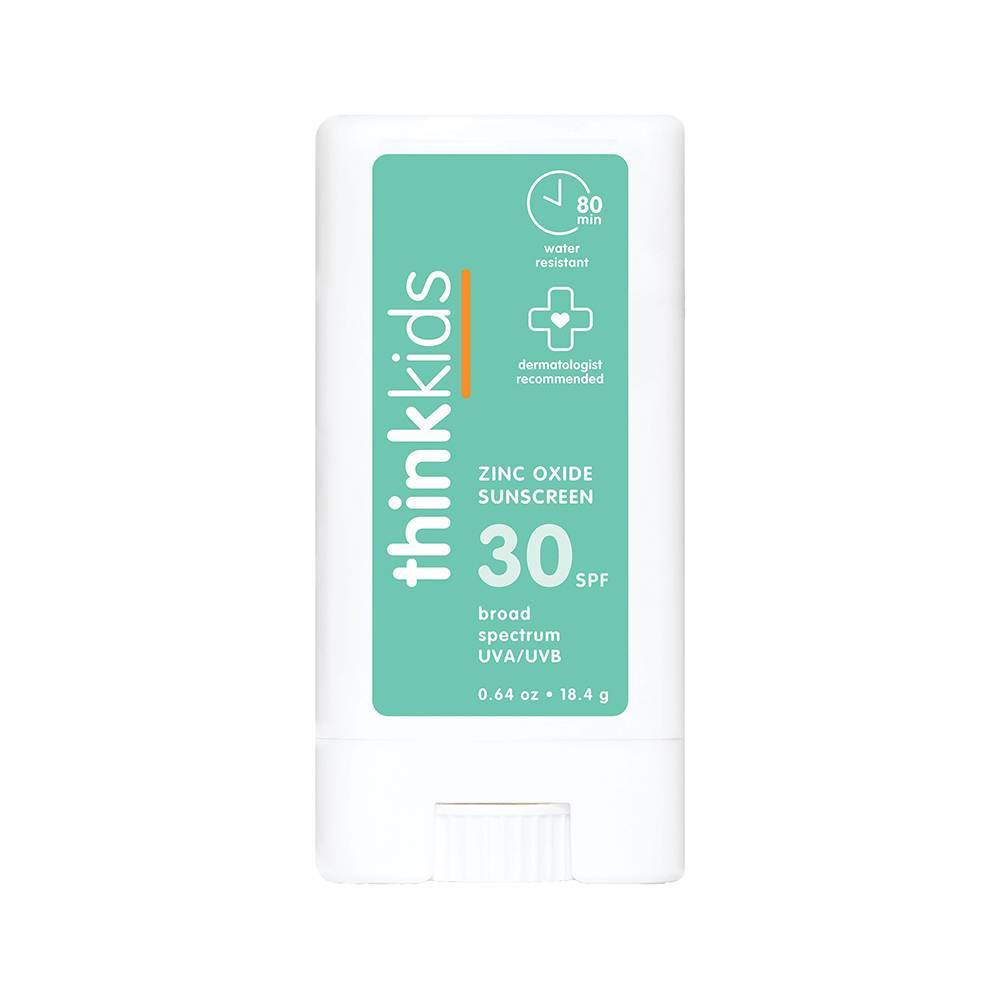
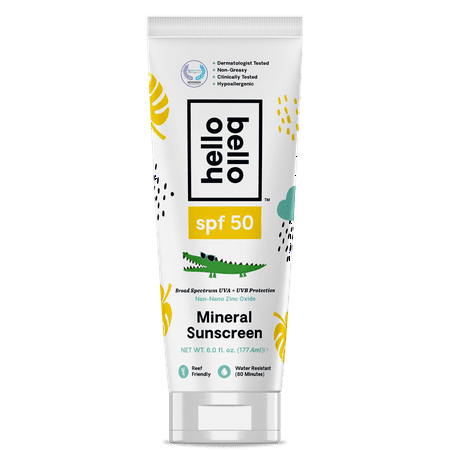


At a glance
Summary
This sunscreen contains beneficial hydrating ingredients like various forms of hyaluronic acid and natural oils, which are good for skin moisture and elasticity. However, it also includes chemical UV filters and fragrance components such as limonene, geraniol, and linalool, which can cause skin irritation and sensitization. The presence of these potentially irritating ingredients and the processed nature of the product influence its overall rating.
Key ingredients 31
Hydroxypropyltrimonium HyaluronateVery Good
This is a derivative of hyaluronic acid, known for its excellent moisturizing properties. It helps to retain skin moisture and improve skin texture.
Risks
There are minimal risks associated with this ingredient.
Benefits
It provides hydration and helps maintain skin elasticity.
Sodium Hyaluronate DimethylsilanolVery Good
This ingredient combines sodium hyaluronate with dimethylsilanol, enhancing skin hydration and providing a silky feel. It is effective in reducing the appearance of fine lines.
Risks
There are minimal risks associated with this ingredient.
Benefits
It offers deep hydration and improves skin texture.
Sodium AcetylhyaluronateVery Good
A modified form of hyaluronic acid, it penetrates the skin more effectively for enhanced hydration. It is known for its ability to improve skin elasticity.
Risks
There are minimal risks associated with this ingredient.
Benefits
It provides long-lasting moisture and improves skin suppleness.
TocopherolVery Good
Tocopherol, or Vitamin E, is a powerful antioxidant that helps to protect the skin from free radical damage. It also has moisturizing and skin-conditioning properties.
Risks
There are minimal risks associated with this ingredient.
Benefits
It offers antioxidant protection and moisturizes the skin.
Dimethylsilanol HyaluronateVery Good
This is a silicone derivative of hyaluronic acid, offering enhanced hydration and a silky texture. It helps to improve skin elasticity and smoothness.
Risks
There are minimal risks associated with this ingredient.
Benefits
It provides deep hydration and improves skin texture.
Hydrolyzed Sodium HyaluronateVery Good
Hydrolyzed Sodium Hyaluronate is a low molecular weight form of hyaluronic acid that penetrates the skin more effectively. It provides intense hydration and plumps the skin.
Risks
There are minimal risks associated with this ingredient.
Benefits
It offers deep hydration and improves skin elasticity.
Hydrolyzed Hyaluronic AcidVery Good
This is a low molecular weight form of hyaluronic acid that penetrates the skin more effectively. It provides intense hydration and helps to reduce the appearance of fine lines.
Risks
There are minimal risks associated with this ingredient.
Benefits
It offers deep hydration and plumps the skin.
Potassium HyaluronateVery Good
Potassium Hyaluronate is a salt form of hyaluronic acid that provides excellent hydration. It helps to retain moisture and improve skin elasticity.
Risks
There are minimal risks associated with this ingredient.
Benefits
It offers deep hydration and plumps the skin.
Sodium Hyaluronate CrosspolymerVery Good
This is a cross-linked form of hyaluronic acid that provides long-lasting hydration. It helps to improve skin texture and reduce the appearance of fine lines.
Risks
There are minimal risks associated with this ingredient.
Benefits
It offers prolonged hydration and enhances skin elasticity.
Citrus Aurantium Dulcis Peel OilGood
This natural oil is derived from orange peel and is known for its antioxidant properties. It can help to brighten the skin and provide a refreshing scent.
Risks
Potential for skin irritation in sensitive individuals.
Benefits
It offers antioxidant benefits and a pleasant citrus aroma.
Cymbopogon Martini OilGood
Also known as palmarosa oil, it is valued for its hydrating and balancing properties. It helps to maintain skin moisture and has a pleasant floral scent.
Risks
Potential for skin irritation in sensitive individuals.
Benefits
It provides hydration and a soothing aroma.
Rosa Damascena Flower OilGood
This oil is known for its soothing and anti-inflammatory properties. It helps to calm the skin and reduce redness.
Risks
Potential for skin irritation in sensitive individuals.
Benefits
It offers soothing benefits and a luxurious floral scent.
Sodium HyaluronateGood
Sodium Hyaluronate is a form of hyaluronic acid that provides excellent hydration. It helps to retain moisture and improve skin elasticity.
Risks
There are minimal risks associated with this ingredient.
Benefits
It offers deep hydration and plumps the skin.
AdenosineGood
Adenosine is known for its anti-aging properties, helping to reduce the appearance of wrinkles and fine lines. It also has soothing and skin-restoring benefits.
Risks
There are minimal risks associated with this ingredient.
Benefits
It provides anti-aging benefits and soothes the skin.
Hyaluronic AcidGood
Hyaluronic Acid is a well-known skin active that provides intense hydration and helps to retain moisture. It is effective in improving skin texture and elasticity.
Risks
There are minimal risks associated with this ingredient.
Benefits
It offers deep hydration and improves skin suppleness.
Polysilicone-15Neutral
Polysilicone-15 is a UV filter that helps protect the skin from UVB radiation. It is generally considered safe for use in cosmetics.
Risks
There are minimal risks associated with this ingredient.
Benefits
It provides UVB protection in sunscreen formulations.
Bisethylhexyloxyphenol Methoxyphenyl TriazineNeutral
This is a broad-spectrum UV filter that provides protection against both UVA and UVB rays. It is photostable and effective in sunscreen formulations.
Risks
There are minimal risks associated with this ingredient.
Benefits
It offers broad-spectrum sun protection.
Stearyl CaprylateNeutral
Stearyl Caprylate is an emollient that helps to soften and smooth the skin. It is used to improve the texture of cosmetic products.
Risks
There are minimal risks associated with this ingredient.
Benefits
It enhances the texture and feel of skincare products.
Stearalkonium HectoriteNeutral
Stearalkonium Hectorite is a thickening agent used to stabilize emulsions. It helps to improve the texture and consistency of cosmetic products.
Risks
There are minimal risks associated with this ingredient.
Benefits
It enhances the stability and texture of formulations.
Caprylyl GlycolNeutral
Caprylyl Glycol is a skin-conditioning agent that helps to improve the texture and feel of the skin. It also has antimicrobial properties.
Risks
There are minimal risks associated with this ingredient.
Benefits
It conditions the skin and provides antimicrobial benefits.
Glyceryl CaprylateNeutral
Glyceryl Caprylate is an emollient and emulsifier that helps to stabilize formulations. It also has antimicrobial properties.
Risks
There are minimal risks associated with this ingredient.
Benefits
It stabilizes formulations and provides antimicrobial benefits.
Polyglyceryl-3 DiisostearateNeutral
This ingredient is an emulsifier that helps to blend oil and water components in formulations. It improves the texture and consistency of products.
Risks
There are minimal risks associated with this ingredient.
Benefits
It enhances the texture and stability of formulations.
Polyglyceryl-3 PolyricinoleateNeutral
Polyglyceryl-3 Polyricinoleate is an emulsifier that helps to stabilize formulations. It is used to improve the texture and consistency of cosmetic products.
Risks
There are minimal risks associated with this ingredient.
Benefits
It stabilizes formulations and improves texture.
EthylhexylglycerinNeutral
Ethylhexylglycerin is a conditioning agent that improves the texture and feel of the skin. It also acts as a preservative booster.
Risks
There are minimal risks associated with this ingredient.
Benefits
It conditions the skin and enhances preservative efficacy.
OctadecaneNeutral
Octadecane is an emollient that helps to soften and smooth the skin. It is used to improve the texture of cosmetic products.
Risks
There are minimal risks associated with this ingredient.
Benefits
It enhances the texture and feel of skincare products.
Lactic Acid/Glycolic Acid CopolymerNeutral
This copolymer is used as a film-forming agent in cosmetic formulations. It helps to improve the texture and longevity of products.
Risks
There are minimal risks associated with this ingredient.
Benefits
It enhances the texture and durability of formulations.
1,2-HexanediolNeutral
1,2-Hexanediol is a humectant and preservative that helps to retain moisture in the skin. It also enhances the efficacy of other preservatives.
Risks
There are minimal risks associated with this ingredient.
Benefits
It provides moisture retention and boosts preservative efficacy.
Xanthan GumNeutral
Xanthan Gum is a thickening agent used to stabilize formulations. It helps to improve the texture and consistency of cosmetic products.
Risks
There are minimal risks associated with this ingredient.
Benefits
It stabilizes formulations and enhances texture.
LimoneneBad
Limonene is a fragrance component that can cause skin irritation and sensitization. It is prone to oxidation, which can lead to skin reactions.
Risks
Potential for skin irritation and allergic reactions.
Benefits
It provides a pleasant citrus scent.
GeraniolBad
Geraniol is a fragrance ingredient that can cause skin irritation and allergic reactions. It is a known allergen in some individuals.
Risks
Potential for skin irritation and allergic reactions.
Benefits
It imparts a floral scent to products.
LinaloolBad
Linalool is a fragrance ingredient that can cause skin irritation and sensitization. It is prone to oxidation, which can increase the risk of skin reactions.
Risks
Potential for skin irritation and allergic reactions.
Benefits
It provides a pleasant floral scent.
Get the full breakdown in the Scout appTake Scout shopping
Scan any product to see lab results, healthy alternatives, and your personalized analysis.
Download on theApp Store GET IT ONGoogle Play