
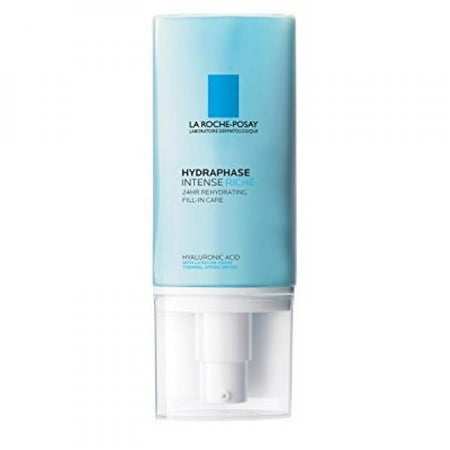


La Roche-Posay Hydraphase Intense Riche 24-Hour Intense Rehydration Moisturizer for Dry Skin with Hyaluronic Acid, 1.69 Fl. Oz.
Analysis updated August 2026 · How Scout scores
At a glance
Summary
This moisturizer contains beneficial ingredients like glycerin and hydrolyzed hyaluronic acid, which provide effective hydration and skin benefits. However, the presence of alcohol denat as a top ingredient can be drying and damaging to the skin barrier, and the inclusion of parfum adds a risk of irritation and allergic reactions. These factors, combined with the use of paraffinum liquidum, which has contamination concerns, affect the overall safety and quality of the product.
Key ingredients 17
Hydrolyzed Hyaluronic AcidVery Good
Hydrolyzed Hyaluronic Acid is a smaller molecule form of hyaluronic acid that penetrates the skin more effectively. It provides deep hydration and helps to plump the skin. It is highly effective and well-tolerated.
Risks
Very low risk of irritation; generally considered safe.
Benefits
Provides deep hydration and helps to plump and smooth the skin.
GlycerinGood
Glycerin is a well-known humectant that attracts moisture to the skin. It is highly effective in improving skin hydration and maintaining the skin's moisture balance. It is generally safe and non-irritating.
Risks
Very low risk of irritation; generally considered safe.
Benefits
Excellent for hydrating the skin and improving its moisture retention capabilities.
ArginineGood
Arginine is an amino acid that helps to improve skin hydration and elasticity. It is beneficial for maintaining healthy skin and is generally well-tolerated. It also has antioxidant properties.
Risks
Low risk of irritation; generally considered safe.
Benefits
Improves skin hydration and elasticity, and provides antioxidant benefits.
Ascorbyl GlucosideGood
Ascorbyl Glucoside is a stable form of Vitamin C used for its antioxidant properties. It helps to brighten the skin and reduce signs of aging. It is generally well-tolerated and effective.
Risks
Low risk of irritation; generally considered safe.
Benefits
Provides antioxidant benefits, brightens the skin, and reduces signs of aging.
AquaNeutral
Aqua, or water, is a common solvent used in cosmetics. It acts as a base for the formulation, helping to dissolve other ingredients. It is generally considered safe and non-irritating.
Risks
There are no significant risks associated with water in cosmetic formulations.
Benefits
Water helps to hydrate the skin and serves as a carrier for other beneficial ingredients.
Butylene GlycolNeutral
Butylene Glycol is a common humectant used to improve skin texture and moisture retention. It is generally considered safe for use in cosmetics. However, it can cause irritation in sensitive individuals.
Risks
Potential for skin irritation, especially in sensitive skin types.
Benefits
Helps to retain moisture in the skin, improving hydration and texture.
Bis-Peg-18 Methyl Ether Dimethyl SilaneNeutral
This ingredient is used as an emollient and conditioning agent in cosmetics. It helps to improve the texture and feel of the product. It is generally considered safe for use.
Risks
Minimal risk of irritation or adverse effects.
Benefits
Improves the texture and spreadability of the product, enhancing user experience.
CarbomerNeutral
Carbomer is used as a thickening agent in cosmetics. It helps to stabilize and improve the consistency of the product. It is generally considered safe and non-irritating.
Risks
Low risk of irritation; generally safe for use.
Benefits
Enhances the texture and stability of the formulation.
Sodium HydroxideNeutral
Sodium Hydroxide is used to adjust the pH of cosmetic products. It is effective in small amounts but can be irritating in higher concentrations. It is generally safe when used appropriately.
Risks
Potential for irritation if used in high concentrations.
Benefits
Helps to maintain the desired pH level of the product for optimal performance.
PcaNeutral
PCA, or Pyrrolidone Carboxylic Acid, is a humectant that helps to maintain skin moisture. It is naturally found in the skin and is generally considered safe. It is effective in improving skin hydration.
Risks
Minimal risk of irritation; generally safe for use.
Benefits
Helps to maintain skin moisture and improve hydration.
SerineNeutral
Serine is an amino acid that helps to improve skin hydration. It is naturally found in the skin and is generally considered safe. It supports the skin's natural moisturizing factors.
Risks
Low risk of irritation; generally safe for use.
Benefits
Contributes to skin hydration and supports the skin's natural moisturizing factors.
Ammonium PolyacryldimethyltauramideNeutral
This ingredient is used as a thickening and stabilizing agent in cosmetics. It helps to improve the texture and consistency of the product. It is generally considered safe for use.
Risks
Minimal risk of irritation; generally safe for use.
Benefits
Enhances the texture and stability of the formulation.
Xanthan GumNeutral
Xanthan Gum is used as a thickening and stabilizing agent in cosmetics. It helps to improve the texture and consistency of the product. It is generally considered safe and non-irritating.
Risks
Low risk of irritation; generally safe for use.
Benefits
Enhances the texture and stability of the formulation.
Paraffinum LiquidumBad
Processed additive flagged under Scout's ingredient doctrine.
Risks
Potential to clog pores, especially in acne-prone skin.
Benefits
Helps to lock in moisture and prevent skin dehydration.
PhenoxyethanolBad
Processed additive flagged under Scout's ingredient doctrine.
Risks
Potential for irritation, especially in sensitive skin types.
Benefits
Prevents microbial growth, extending the shelf life of the product.
ParfumBad
Parfum, or fragrance, is used to add scent to cosmetics. It can be irritating and cause allergic reactions, especially in sensitive individuals. It is often criticized for its potential to cause skin sensitization.
Risks
High potential for irritation and allergic reactions.
Benefits
Adds a pleasant scent to the product, enhancing user experience.
Alcohol DenatVery Bad
Alcohol Denat is used as a solvent and astringent in cosmetics. It can be drying and irritating to the skin, especially with prolonged use. It may disrupt the skin's natural barrier.
Risks
Can cause dryness and irritation, potentially leading to compromised skin barrier function.
Benefits
Acts as a solvent and can help other ingredients penetrate the skin more effectively.
Get the full breakdown in the Scout appTake Scout shopping
Scan any product to see lab results, healthy alternatives, and your personalized analysis.
Download on theApp Store GET IT ONGoogle PlayAmazon pricing & content
Amazon price as of . Product prices and availability are accurate as of the date/time indicated and are subject to change. Any price and availability information displayed on Amazon.com at the time of purchase will apply to the purchase of this product.
CERTAIN CONTENT THAT APPEARS ON THIS SITE COMES FROM AMAZON. THIS CONTENT IS PROVIDED “AS IS” AND IS SUBJECT TO CHANGE OR REMOVAL AT ANY TIME.