


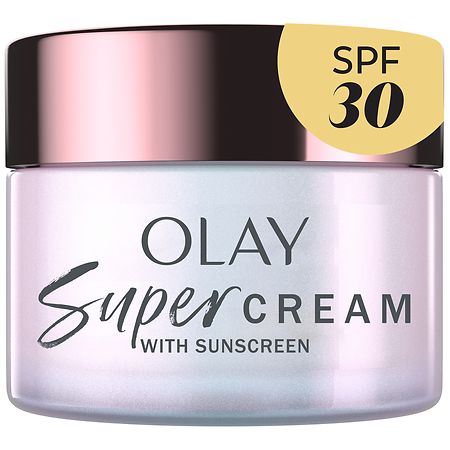
Olay - Age Defying Sensitive Skin Night Cream 2.00 oz
Analysis updated September 2026 · How Scout scores
At a glance
Summary
This moisturizer contains beneficial ingredients like niacinamide, glycerin, and retinyl propionate, which are known for their skin-soothing and anti-aging properties. However, the presence of polyacrylamide, which can release a neurotoxin, and undisclosed fragrance, which may cause irritation, are concerning. The product's formulation includes both beneficial and potentially harmful components, leading to a mixed assessment.
Key ingredients 31
PanthenolVery Good
Panthenol is a form of Vitamin B5 that acts as a moisturizer and skin conditioner. It helps to improve skin hydration and elasticity. It is well-tolerated and beneficial for most skin types.
Risks
Panthenol is generally safe, but may cause mild irritation in very sensitive skin.
Benefits
Panthenol improves skin hydration and elasticity.
GlycerinGood
Glycerin is a humectant that attracts moisture to the skin, helping to keep it hydrated. It is widely used in skincare for its moisturizing properties. It is generally considered safe and beneficial for most skin types.
Risks
There are minimal risks associated with glycerin, though it may cause irritation in very sensitive skin.
Benefits
Glycerin helps to keep the skin hydrated by attracting moisture.
NiacinamideGood
Niacinamide is a form of Vitamin B3 that is known for its anti-inflammatory and skin-soothing properties. It helps improve skin texture and tone, and can reduce the appearance of fine lines. It is well-tolerated by most skin types.
Risks
Niacinamide is generally well-tolerated, but in rare cases, it may cause mild irritation.
Benefits
Niacinamide improves skin texture and tone and reduces the appearance of fine lines.
Retinyl PropionateGood
Retinyl Propionate is a derivative of Vitamin A used for its anti-aging properties. It helps to improve skin texture and reduce the appearance of fine lines. It is considered a milder alternative to retinol.
Risks
Retinyl Propionate may cause irritation or sensitivity, especially in those new to retinoids.
Benefits
Retinyl Propionate improves skin texture and reduces the appearance of fine lines.
Tocopheryl AcetateGood
Tocopheryl Acetate is a form of Vitamin E used for its antioxidant properties. It helps to protect the skin from environmental damage and improve moisture retention. It is generally considered safe and beneficial for skin health.
Risks
Tocopheryl Acetate is generally safe, but may cause irritation in very sensitive skin.
Benefits
Tocopheryl Acetate protects the skin from environmental damage and improves moisture retention.
WaterNeutral
Water is a common solvent used in cosmetics to dissolve other ingredients. It helps in the application and absorption of the product. It does not have any direct benefits or risks associated with its use in skincare.
Risks
There are no significant risks associated with water in cosmetics.
Benefits
Water helps in the application and absorption of the product.
IsohexadecaneNeutral
Isohexadecane is used as an emollient and texture enhancer in cosmetics. It provides a silky feel and helps to spread the product evenly. It is generally considered safe for use in cosmetics.
Risks
There are minimal risks associated with isohexadecane, though it may cause irritation in sensitive skin.
Benefits
Isohexadecane provides a silky feel and helps to spread the product evenly.
Isopropyl IsostearateNeutral
Isopropyl Isostearate is an emollient that helps to soften and smooth the skin. It is used to improve the texture and spreadability of cosmetic products. It is generally considered safe for use in cosmetics.
Risks
There are minimal risks associated with isopropyl isostearate, though it may cause irritation in sensitive skin.
Benefits
Isopropyl Isostearate helps to soften and smooth the skin.
Stearyl AlcoholNeutral
Stearyl Alcohol is a fatty alcohol used as an emollient and thickener in cosmetics. It helps to stabilize and thicken formulations. It is generally considered safe and non-irritating.
Risks
Stearyl Alcohol is generally safe, but may cause irritation in very sensitive skin.
Benefits
Stearyl Alcohol helps to stabilize and thicken formulations.
Titanium DioxideNeutral
Titanium Dioxide is used as a physical sunscreen agent and pigment in cosmetics. It provides broad-spectrum UV protection and is considered safe for use in skincare. It is non-irritating and suitable for sensitive skin.
Risks
Titanium Dioxide is generally safe, but inhalation of its powder form can be harmful.
Benefits
Titanium Dioxide provides broad-spectrum UV protection.
Laureth-7Neutral
Laureth-7 is an emulsifier and surfactant used to stabilize formulations. It helps to blend oil and water-based ingredients. It is generally considered safe for use in cosmetics.
Risks
Laureth-7 may cause irritation in sensitive skin.
Benefits
Laureth-7 helps to stabilize formulations and blend ingredients.
PEG-100 StearateNeutral
PEG-100 Stearate is an emulsifier used to blend oil and water-based ingredients. It helps to stabilize formulations and improve texture. It is generally considered safe for use in cosmetics.
Risks
PEG-100 Stearate may cause irritation in sensitive skin.
Benefits
PEG-100 Stearate helps to stabilize formulations and improve texture.
Ethylhexyl SalicylateNeutral
Ethylhexyl Salicylate is a chemical sunscreen agent used to absorb UVB rays. It helps to protect the skin from sun damage. It is generally considered safe for use in cosmetics.
Risks
Ethylhexyl Salicylate may cause irritation in sensitive skin.
Benefits
Ethylhexyl Salicylate helps to protect the skin from UVB rays.
Cetearyl GlucosideNeutral
Cetearyl Glucoside is an emulsifier used to blend oil and water-based ingredients. It helps to stabilize formulations and improve texture. It is derived from natural sources and considered safe for use.
Risks
Cetearyl Glucoside is generally safe, but may cause irritation in very sensitive skin.
Benefits
Cetearyl Glucoside helps to stabilize formulations and improve texture.
Cetearyl AlcoholNeutral
Cetearyl Alcohol is a fatty alcohol used as an emollient and thickener in cosmetics. It helps to stabilize and thicken formulations. It is generally considered safe and non-irritating.
Risks
Cetearyl Alcohol is generally safe, but may cause irritation in very sensitive skin.
Benefits
Cetearyl Alcohol helps to stabilize and thicken formulations.
Stearic AcidNeutral
Stearic Acid is a fatty acid used as an emulsifier and thickener in cosmetics. It helps to stabilize formulations and improve texture. It is generally considered safe for use in cosmetics.
Risks
Stearic Acid is generally safe, but may cause irritation in very sensitive skin.
Benefits
Stearic Acid helps to stabilize formulations and improve texture.
Palmitic AcidNeutral
Palmitic Acid is a fatty acid used as an emollient and thickener in cosmetics. It helps to stabilize formulations and improve texture. It is generally considered safe for use in cosmetics.
Risks
Palmitic Acid is generally safe, but may cause irritation in very sensitive skin.
Benefits
Palmitic Acid helps to stabilize formulations and improve texture.
Cetyl AlcoholNeutral
Cetyl Alcohol is a fatty alcohol used as an emollient and thickener in cosmetics. It helps to stabilize and thicken formulations. It is generally considered safe and non-irritating.
Risks
Cetyl Alcohol is generally safe, but may cause irritation in very sensitive skin.
Benefits
Cetyl Alcohol helps to stabilize and thicken formulations.
C13-14 IsoparaffinNeutral
C13-14 Isoparaffin is used as an emollient and thickener in cosmetics. It helps to improve the texture and spreadability of products. It is generally considered safe for use in cosmetics.
Risks
C13-14 Isoparaffin may cause irritation in sensitive skin.
Benefits
C13-14 Isoparaffin improves texture and spreadability of products.
Behenyl AlcoholNeutral
Behenyl Alcohol is a fatty alcohol used as an emollient and thickener in cosmetics. It helps to stabilize and thicken formulations. It is generally considered safe and non-irritating.
Risks
Behenyl Alcohol is generally safe, but may cause irritation in very sensitive skin.
Benefits
Behenyl Alcohol helps to stabilize and thicken formulations.
Aluminum Starch OctenylsuccinateNeutral
Aluminum Starch Octenylsuccinate is used as an absorbent and anti-caking agent in cosmetics. It helps to improve the texture and feel of products. It is generally considered safe for use in cosmetics.
Risks
Aluminum Starch Octenylsuccinate may cause irritation in sensitive skin.
Benefits
Aluminum Starch Octenylsuccinate improves texture and feel of products.
Caprylyl GlycolNeutral
Caprylyl Glycol is used as a skin conditioning agent and preservative booster in cosmetics. It helps to improve skin hydration and extend product shelf life. It is generally considered safe for use in cosmetics.
Risks
Caprylyl Glycol may cause irritation in sensitive skin.
Benefits
Caprylyl Glycol improves skin hydration and extends product shelf life.
1,2-HexanediolNeutral
1,2-Hexanediol is used as a humectant and preservative booster in cosmetics. It helps to improve skin hydration and extend product shelf life. It is generally considered safe for use in cosmetics.
Risks
1,2-Hexanediol may cause irritation in sensitive skin.
Benefits
1,2-Hexanediol improves skin hydration and extends product shelf life.
DimethiconolNeutral
Dimethiconol is a silicone-based polymer used as a skin conditioning agent. It forms a barrier on the skin that helps to lock in moisture. It is generally considered safe and non-comedogenic.
Risks
Dimethiconol may cause breakouts in some individuals with very sensitive skin.
Benefits
Dimethiconol helps to lock in moisture and protect the skin.
DimethiconeBad
Occlusive silicone film-former — flagged under clean-beauty doctrine.
Risks
Dimethicone may cause breakouts in some individuals with very sensitive skin.
Benefits
Dimethicone helps to lock in moisture and protect the skin.
Sodium BenzoateBad
Synthetic preservative that can form benzene in the presence of vitamin C.
Risks
Sodium Benzoate may cause irritation in very sensitive skin.
Benefits
Sodium Benzoate prevents microbial growth and extends product shelf life.
Disodium EDTABad
Processed additive flagged under Scout's ingredient doctrine.
Risks
Disodium EDTA may cause irritation in sensitive skin.
Benefits
Disodium EDTA improves the stability and efficacy of formulations.
PhenoxyethanolBad
Processed additive flagged under Scout's ingredient doctrine.
Risks
Phenoxyethanol may cause irritation in very sensitive skin.
Benefits
Phenoxyethanol prevents microbial growth and extends product shelf life.
PolyacrylamideVery Bad
Polyacrylamide is used as a thickening agent in cosmetics. It can potentially release acrylamide, a known neurotoxin, which raises safety concerns. Its use in cosmetics is controversial due to potential health risks.
Risks
Polyacrylamide may release acrylamide, a potential carcinogen and neurotoxin.
Benefits
Polyacrylamide is used to improve the texture and consistency of products.
FragranceVery Bad
Fragrance is used to impart scent to cosmetic products. It can cause allergic reactions and skin irritation, especially in sensitive individuals. Its composition is often undisclosed, leading to potential safety concerns.
Risks
Fragrance can cause allergic reactions and skin irritation.
Benefits
Fragrance enhances the sensory experience of using the product.
PolyethyleneVery Bad
Heavily flagged ingredient class under Scout's doctrine.
Risks
Polyethylene may cause irritation in sensitive skin.
Benefits
Polyethylene improves texture and consistency of products.
Get the full breakdown in the Scout appTake Scout shopping
Scan any product to see lab results, healthy alternatives, and your personalized analysis.
Download on theApp Store GET IT ONGoogle Play