


At a glance
Summary
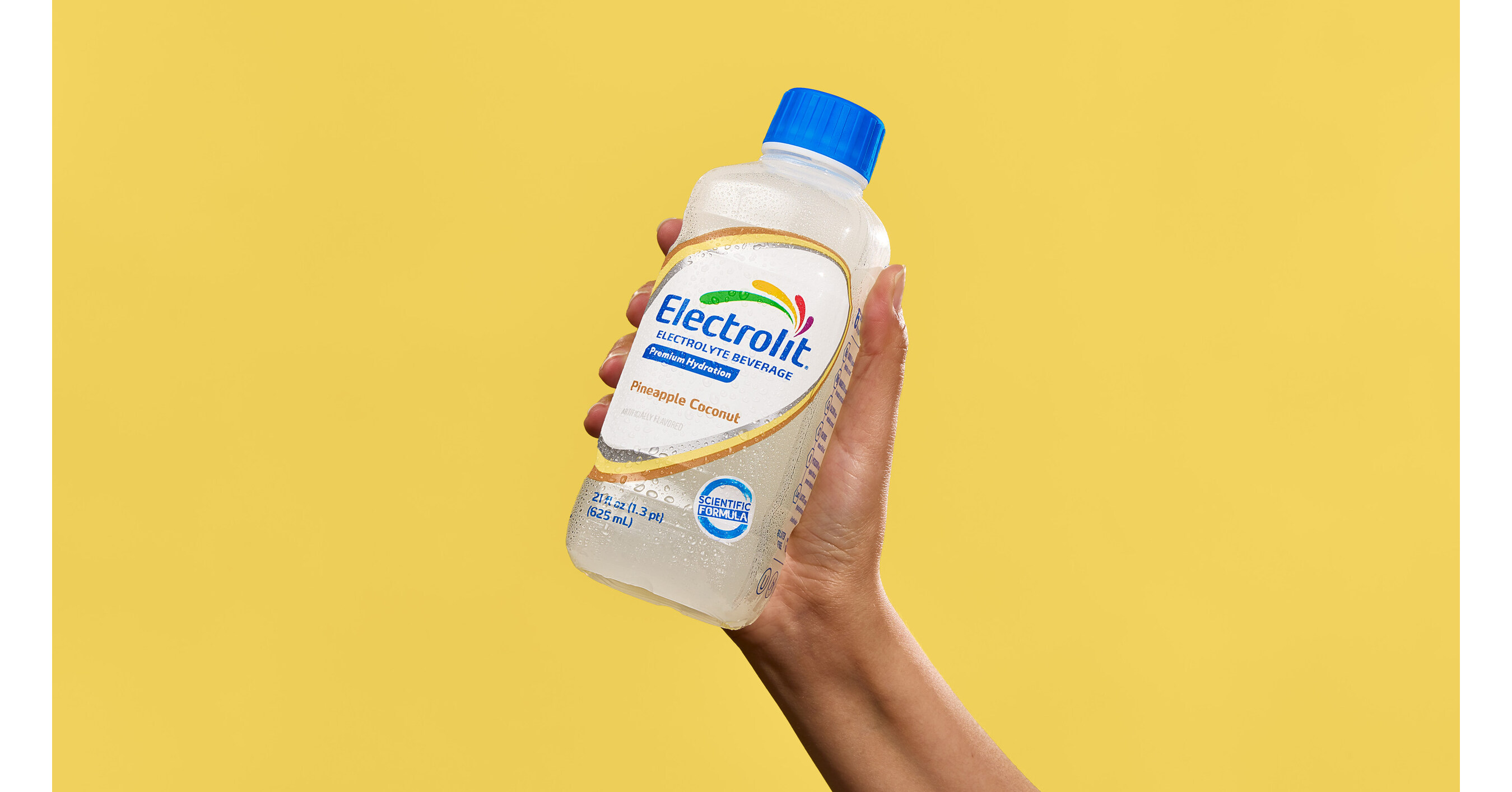
This beverage contains a clean ingredient list with essential electrolytes like sodium, potassium, magnesium, and calcium, which are beneficial for hydration. However, the presence of 'natural coconut flavor' as a processed additive slightly detracts from its overall quality, as it may include undisclosed compounds. The product's processing level also limits its potential score, despite the absence of major harmful ingredients.
Key ingredients 9
WaterNeutral
Water is a neutral ingredient that serves as the base for the beverage. It is essential for hydration but does not provide additional nutrients or health benefits. The quality of water can vary based on source and treatment, but no significant concerns are noted here.
See more about Water →Dextrose MonohydrateNeutral
Dextrose monohydrate is a simple sugar used as a sweetener and energy source. It is rapidly absorbed and can cause a quick spike in blood sugar levels. While it provides quick energy, excessive consumption may lead to health issues like insulin resistance.
Risks
Excessive intake may contribute to obesity and metabolic disorders.
Benefits
Provides a quick source of energy, especially useful in sports and recovery drinks.
Sodium LactateNeutral
Sodium lactate is a salt of lactic acid used to enhance flavor and preserve freshness. It is generally recognized as safe and helps maintain electrolyte balance. However, it may not be suitable for individuals on a low-sodium diet.
Risks
May contribute to sodium intake, which is a concern for those with hypertension.
Benefits
Helps maintain electrolyte balance and can improve hydration.
Potassium ChlorideNeutral
Potassium chloride is used to replenish electrolytes and prevent muscle cramps. It is beneficial for maintaining heart and muscle function. However, excessive intake can lead to hyperkalemia, especially in individuals with kidney issues.
Risks
Excessive consumption can lead to hyperkalemia, a condition with elevated potassium levels.
Benefits
Supports muscle function and helps maintain electrolyte balance.
Magnesium ChlorideNeutral
Magnesium chloride is an electrolyte that supports muscle and nerve function. It is beneficial for hydration and preventing cramps. However, excessive intake can cause digestive issues.
Risks
High doses may lead to diarrhea or gastrointestinal discomfort.
Benefits
Essential for muscle and nerve function, and helps maintain hydration.
Calcium ChlorideNeutral
Calcium chloride is used to provide calcium and improve electrolyte balance. It supports bone health and muscle function. Overconsumption can lead to hypercalcemia, especially in those with kidney issues.
Risks
Excessive intake may cause hypercalcemia, affecting kidney function.
Benefits
Supports bone health and helps maintain electrolyte balance.
SaltNeutral
Salt is used to enhance flavor and maintain electrolyte balance. It is essential in small amounts but excessive consumption can lead to hypertension. The balance of sodium is crucial for hydration and nerve function.
Risks
High intake can contribute to hypertension and cardiovascular issues.
Benefits
Essential for maintaining fluid balance and nerve function.
Malic AcidNeutral
Malic acid is a naturally occurring acid used to enhance flavor and acidity. It is generally recognized as safe and can improve the taste profile of beverages. However, excessive consumption may cause digestive discomfort.
Risks
High doses may lead to digestive discomfort or irritation.
Benefits
Enhances flavor and acidity, improving the taste of the beverage.
Natural Coconut FlavorBad
Natural coconut flavor is a processed additive used to impart coconut taste. It lacks the nutritional benefits of real coconut and may contain undisclosed compounds. The term 'natural' can be misleading as it does not guarantee the absence of synthetic processing.
Risks
May contain undisclosed additives or synthetic compounds.
Benefits
Provides coconut flavor without adding calories or sugar.
Processing
Processed Foods
Get the full breakdown in the Scout appTake Scout shopping
Scan any product to see lab results, healthy alternatives, and your personalized analysis.
Download on theApp Store GET IT ONGoogle Play