


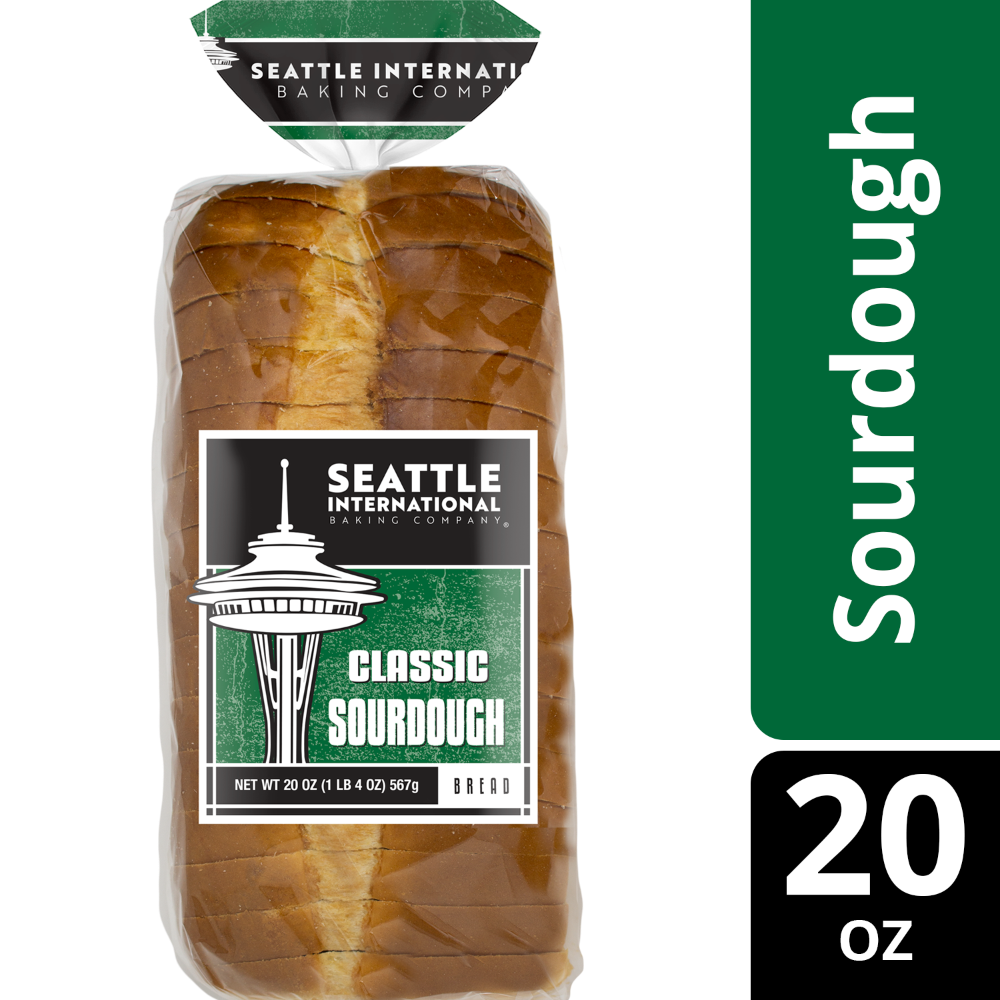
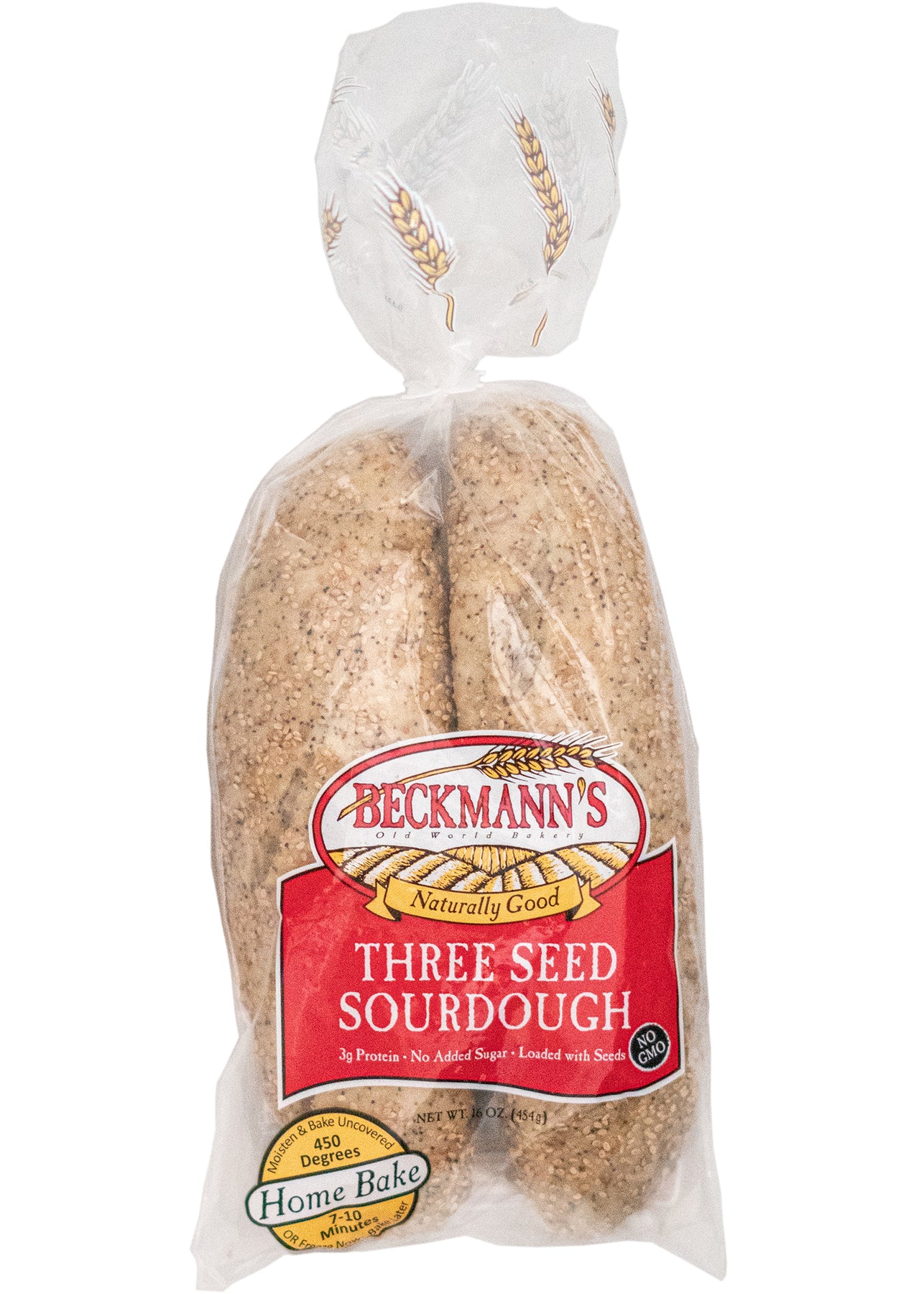

Sourdough Bistro multigrain Loaf
Summary
The Sourdough Bistro multigrain loaf benefits from the inclusion of whole grain rye flour and rye flour, which provide fiber and essential nutrients. However, the bread is processed, which limits its score potential. Despite the presence of beneficial ingredients, the processing level and moderate amount of added salt contribute to a lower score compared to less processed options.
At a glance
Key ingredients 8
Enriched wheat flourNeutral
Enriched wheat flour is a common ingredient in bread, providing structure and texture. It is fortified with vitamins and minerals to replace nutrients lost during processing. While it lacks the fiber of whole grains, it is a staple in many baked goods.
Risks
May contribute to blood sugar spikes due to its refined nature.
Benefits
Provides essential vitamins and minerals due to enrichment, supporting overall nutrition.
WaterNeutral
Water is a fundamental ingredient in bread, necessary for hydration and dough formation. It acts as a solvent for other ingredients and aids in gluten development. Its quality can affect the final texture and taste of the bread.
Benefits
Essential for hydration and contributes to the dough's consistency and texture.
Rye flourGood
Rye flour is a whole grain flour that adds a distinct flavor and nutritional benefits to bread. It is higher in fiber compared to refined flours, which can aid in digestion and provide a feeling of fullness. Rye flour also contains beneficial nutrients like magnesium and phosphorus.
Risks
May cause digestive discomfort in individuals with gluten sensitivity.
Benefits
Rich in fiber and essential nutrients, supporting digestive health and providing sustained energy.
Whole grain rye flourGood
Whole grain rye flour retains all parts of the grain, offering more fiber and nutrients than refined flours. It contributes to a denser texture and a richer flavor profile in bread. This ingredient supports heart health and aids in maintaining stable blood sugar levels.
Risks
May not be suitable for those with gluten intolerance or celiac disease.
Benefits
High in dietary fiber and essential nutrients, promoting heart health and stable blood sugar levels.
Wheat glutenNeutral
Wheat gluten is added to improve the elasticity and chewiness of bread. It enhances the dough's ability to rise and maintain its shape during baking. While it is beneficial for bread texture, it is not suitable for those with gluten-related disorders.
Risks
Can cause adverse reactions in individuals with gluten intolerance or celiac disease.
Benefits
Improves bread texture and volume, making it more appealing and structurally sound.
SaltNeutral
Salt is used in bread to enhance flavor and control yeast activity. It strengthens the gluten network, contributing to the bread's texture. While essential in small amounts, excessive consumption can lead to health issues.
Risks
High intake may contribute to hypertension and cardiovascular issues.
Benefits
Enhances flavor and strengthens gluten, improving bread quality.
Cultured wheat flourNeutral
Cultured wheat flour is used as a natural preservative in bread, extending shelf life without artificial additives. It is made by fermenting wheat flour with specific cultures. This ingredient helps maintain freshness and quality.
Benefits
Acts as a natural preservative, extending shelf life and maintaining bread quality.
YeastNeutral
Yeast is a crucial ingredient in bread-making, responsible for fermentation and leavening. It produces carbon dioxide, which helps the dough rise and develop a light texture. Yeast also contributes to the bread's flavor profile.
Benefits
Essential for leavening, contributing to bread's texture and flavor.
Processing
Processed Foods
Get the full breakdown in the Scout app
Scan any product to see lab results, healthy alternatives, and your personalized analysis.
Download on theApp Store