




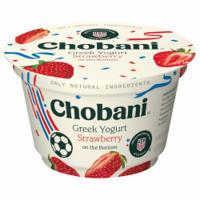


Chobani LOW-FAT GREEK YOGURT WITH MANGO ON THE BOTTOM
ChobaniAnalysis updated August 2026 · How Scout scores
At a glance
Summary
This yogurt contains beneficial ingredients like lowfat yogurt and mango, which provide protein, probiotics, and vitamins. However, the presence of evaporated cane sugar adds refined sugars, which can contribute to excess calorie intake. The product is also classified as ultra-processed due to the inclusion of additives like locust bean gum and natural flavors, which limits its overall health score.
Key ingredients 7
Lowfat yogurtGood
Lowfat yogurt is a good source of protein and probiotics, which support gut health. It is made from cultured pasteurized nonfat milk and cream, providing essential nutrients like calcium. The presence of live and active cultures enhances its health benefits.
Benefits
Provides probiotics that support digestive health and a good source of calcium and protein.
MangoGood
Mango is a natural fruit that provides vitamins, particularly vitamin C and A, and dietary fiber. It adds natural sweetness and flavor to the yogurt without the need for artificial additives. The fruit's antioxidants contribute to overall health.
Benefits
Rich in vitamins and antioxidants, contributing to immune support and overall health.
Fruit pectinNeutral
Fruit pectin is a natural thickening agent derived from fruits, used to improve texture. It is minimally processed and does not significantly impact health. It is commonly used in food products to stabilize and thicken without altering flavor.
Benefits
Improves texture and stability of the product without adding calories.
Locust bean gumNeutral
Locust bean gum is a natural thickener derived from carob seeds, used to enhance texture. It is generally considered safe and is minimally processed. It helps maintain the desired consistency of the yogurt.
Benefits
Contributes to the creamy texture of the yogurt.
Fruit and vegetable juice concentrateNeutral
Fruit and vegetable juice concentrate is used for natural coloring, avoiding artificial dyes. It is derived from natural sources and minimally processed. It provides color without altering the nutritional profile significantly.
Benefits
Adds natural color to the product without artificial additives.
Lemon juice concentrateNeutral
Lemon juice concentrate is used for flavor enhancement and as a natural preservative. It is derived from lemons and retains some of the fruit's natural acidity. It helps balance the sweetness and adds a refreshing taste.
Benefits
Enhances flavor and acts as a natural preservative.
Evaporated cane sugarBad
Evaporated cane sugar is a refined sugar that contributes to the product's sweetness but can lead to increased calorie intake. It lacks the nutritional benefits of whole food sweeteners and can contribute to health issues if consumed in excess. Its processing removes most beneficial nutrients found in whole cane.
Risks
Excessive consumption may lead to weight gain and increased risk of metabolic diseases.
Benefits
Provides sweetness to the product, enhancing flavor.
Processing
Ultra-Processed Foods
Get the full breakdown in the Scout appTake Scout shopping
Scan any product to see lab results, healthy alternatives, and your personalized analysis.
Download on theApp Store GET IT ONGoogle PlayAmazon pricing & content
Amazon price as of . Product prices and availability are accurate as of the date/time indicated and are subject to change. Any price and availability information displayed on Amazon.com at the time of purchase will apply to the purchase of this product.
CERTAIN CONTENT THAT APPEARS ON THIS SITE COMES FROM AMAZON. THIS CONTENT IS PROVIDED “AS IS” AND IS SUBJECT TO CHANGE OR REMOVAL AT ANY TIME.