



At a glance
Summary
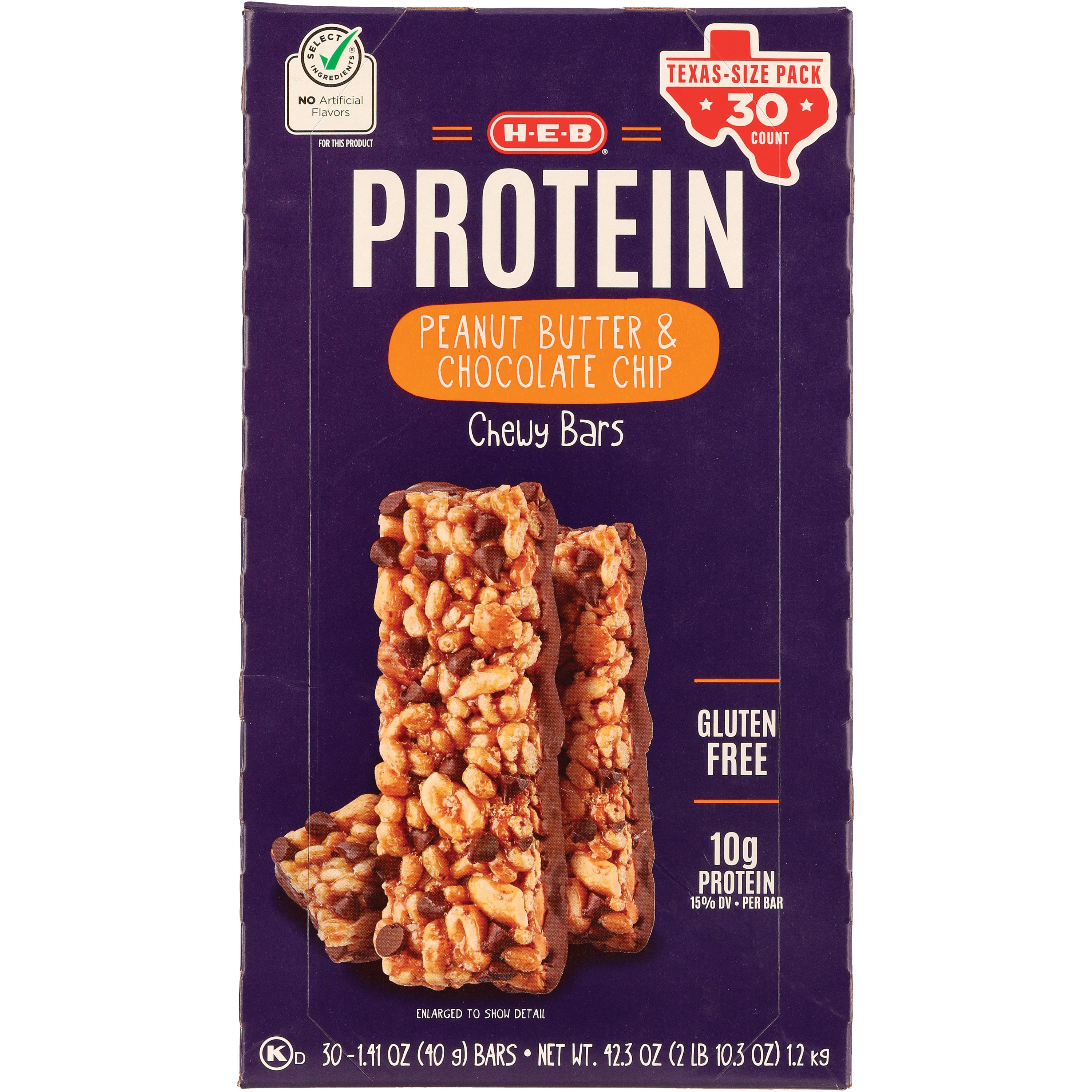
This product contains several beneficial ingredients such as rolled oats, peanut butter, and grassfed whey protein concentrate, which provide fiber, healthy fats, and high-quality protein. However, it also includes chocolate chips with added sugar and soy lecithin, which contribute to its processed nature. The presence of natural flavors and vegetable glycerin further indicates a moderate level of processing, limiting its score despite the overall nutritious profile.
Key ingredients 7
Grassfed whey protein concentrateVery Good
Grassfed whey protein concentrate is a high-quality protein source with a complete amino acid profile. It is derived from grass-fed cows, which may offer higher levels of omega-3 fatty acids and CLA. This protein supports muscle growth and recovery.
Benefits
Provides a complete amino acid profile, supporting muscle growth and recovery. Grass-fed sourcing may enhance nutritional quality.
Rolled oatsGood
Rolled oats are a whole grain rich in fiber and essential nutrients. They are minimally processed, retaining most of their natural nutritional profile. Oats can help lower cholesterol levels and support heart health.
Benefits
Rich in dietary fiber, which aids in digestion and helps maintain healthy cholesterol levels.
Peanut butterGood
Peanut butter is a good source of healthy fats and protein. It is made from peanuts and salt, providing essential nutrients like magnesium and vitamin E. The natural fats in peanuts support heart health.
Risks
Potential allergen for individuals with peanut allergies.
Benefits
Provides healthy monounsaturated fats and protein, supporting heart health and muscle maintenance.
HoneyGood
Traditional whole-food sweetener with trace enzymes and antioxidants.
Risks
Excessive consumption can contribute to high sugar intake and related health issues.
Benefits
Contains antioxidants and can act as a natural sweetener with a lower glycemic index than refined sugar.
Sea saltGood
Sea salt is a minimally processed salt that contains trace minerals. It is used to enhance flavor and provide essential sodium. Unlike refined table salt, sea salt retains some natural minerals.
Risks
Excessive sodium intake can lead to high blood pressure and related health issues.
Benefits
Provides essential sodium and trace minerals, enhancing flavor and supporting electrolyte balance.
Chocolate chipsNeutral
Chocolate chips contain sugar, chocolate, cocoa butter, milkfat, soy lecithin, and natural flavors. They add sweetness and flavor but also increase sugar content. The presence of soy lecithin as an emulsifier is common in chocolate products.
Risks
High sugar content can contribute to increased calorie intake and potential weight gain.
Benefits
Provides flavor and sweetness, enhancing the taste of the product.
Vegetable glycerinNeutral
Vegetable glycerin is a sugar alcohol used as a humectant and sweetener. It is generally recognized as safe and has a low glycemic index. It helps retain moisture in food products.
Risks
Excessive consumption may cause digestive discomfort.
Benefits
Helps maintain moisture and texture in food products without significantly impacting blood sugar levels.
Processing
Processed Foods
Get the full breakdown in the Scout appTake Scout shopping
Scan any product to see lab results, healthy alternatives, and your personalized analysis.
Download on theApp Store GET IT ONGoogle Play