
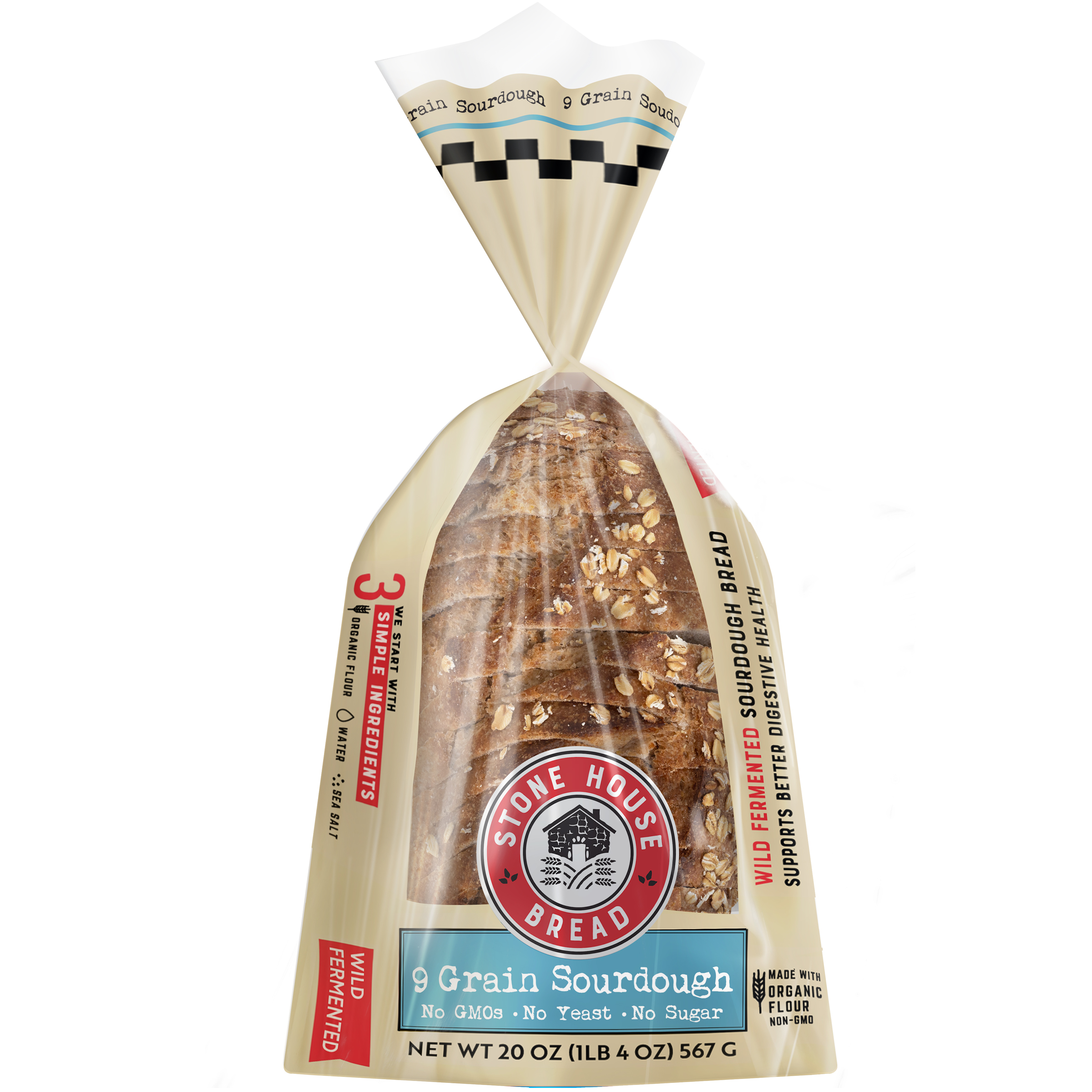
Stone baked White sourdough vienna
Summary
This sourdough bread features a clean ingredient list with beneficial components like sourdough, malt, and wheat bran, which enhance flavor and nutritional value. The bread is processed, but it avoids harmful additives and seed oils, maintaining a focus on whole-food ingredients. The processing level limits the score, but the absence of artificial additives and the use of natural leavening agents contribute positively to its rating.
At a glance
Key ingredients 9
Wheat FlourNeutral
Wheat flour is a staple ingredient in bread, providing structure and texture. It is a refined grain, which means it lacks the bran and germ found in whole grains. While it provides carbohydrates for energy, it lacks the fiber and nutrients of whole grain alternatives.
Risks
Refined wheat flour can contribute to blood sugar spikes and lacks fiber.
Benefits
Provides carbohydrates that are a primary energy source for the body.
WaterNeutral
Water is a fundamental ingredient in bread making, hydrating the flour and activating yeast. It is essential for the dough formation and contributes to the bread's texture. Water itself does not provide any nutritional value.
See more about Water →SourdoughGood
Sourdough is a natural leavening agent that enhances the flavor and texture of bread. It involves fermentation, which can improve digestibility and nutrient absorption. The fermentation process may also reduce phytate content, enhancing mineral bioavailability.
Benefits
May improve gut health due to the presence of beneficial bacteria from fermentation.
SaltNeutral
Salt is used in bread to enhance flavor and control yeast activity. It is a necessary component for proper dough development and flavor balance. However, excessive salt intake can lead to health issues such as hypertension.
Risks
Excessive consumption can contribute to high blood pressure.
Benefits
Enhances flavor and helps control yeast fermentation in bread.
MaltGood
Malt is used in bread to enhance flavor and color. It is derived from barley and provides enzymes that can improve dough quality. Malt can also contribute to a slight sweetness and improve the crust color.
Benefits
Enhances flavor and provides enzymes that improve dough quality.
Wheat BranGood
Wheat bran is the outer layer of the wheat kernel, rich in fiber and nutrients. It adds texture and nutritional value to bread, increasing its fiber content. Consuming wheat bran can aid in digestion and promote a feeling of fullness.
Risks
May cause digestive discomfort in some individuals if consumed in large amounts.
Benefits
Rich in dietary fiber, which supports digestive health and can help maintain healthy cholesterol levels.
Malted WheatGood
Malted wheat is wheat that has been allowed to germinate, enhancing its flavor and nutritional profile. It provides natural sweetness and can improve the texture of bread. The malting process can also increase the availability of certain nutrients.
Benefits
Enhances flavor and texture while providing additional nutrients.
YeastNeutral
Yeast is a leavening agent that helps bread rise by producing carbon dioxide during fermentation. It is essential for the texture and volume of bread. While yeast itself does not provide significant nutritional benefits, it is crucial for bread making.
Benefits
Essential for leavening and contributes to the bread's texture and volume.
VitaminsNeutral
Vitamins such as folic acid and thiamin are added to enrich the nutritional profile of bread. They are essential nutrients that support various bodily functions. While beneficial, these vitamins are often added in small amounts and do not significantly alter the overall nutritional value of the bread.
Benefits
Provide essential nutrients that support metabolic processes and overall health.
Processing
Processed Foods
Get the full breakdown in the Scout app
Scan any product to see lab results, healthy alternatives, and your personalized analysis.
Download on theApp Store