
Cetaphil
Summary
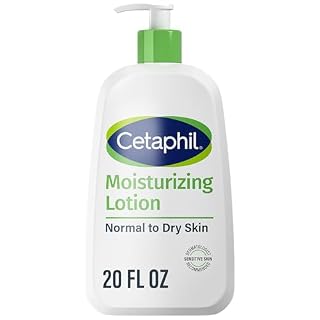
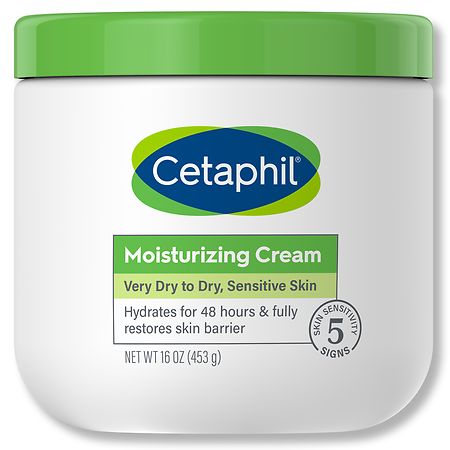
Cetaphil contains a mix of beneficial and neutral ingredients such as glycerin and niacinamide, which are known for their moisturizing and skin-soothing properties. However, the presence of synthetic compounds like acrylates and sodium benzoate, along with its processed nature, slightly lowers its score. The product avoids major harmful chemicals, making it a relatively safe choice for skincare.
At a glance
Key ingredients 35
Water
Water is a universal solvent and is used as a base in many formulations. It helps dissolve other ingredients and provides a medium for them to interact. In oral care, it helps in the distribution of active ingredients.
Risks
There are no significant risks associated with water in oral care products.
Benefits
Water hydrates and helps in the even application of the product.
Glycerin
Glycerin is a humectant that attracts moisture, helping to keep the product from drying out. It also provides a sweet taste without promoting tooth decay. In oral care, it helps maintain moisture in the mouth.
Risks
Excessive glycerin can lead to a sticky feeling in the mouth.
Benefits
Glycerin helps in maintaining moisture and provides a pleasant texture.
Cetearyl Alcohol
Cetearyl Alcohol is a fatty alcohol used as an emulsifier and thickener. It helps stabilize formulations and improve texture. In oral care, it can help maintain the consistency of the product.
Risks
There are minimal risks associated with cetearyl alcohol in oral care products.
Benefits
It improves the texture and stability of the product.
Panthenol
Panthenol is a form of vitamin B5 that acts as a moisturizer and skin conditioner. It helps soothe and hydrate tissues. In oral care, it can help maintain the health of oral tissues.
Risks
Panthenol is generally safe with minimal risks.
Benefits
It provides moisturizing and soothing benefits to oral tissues.
Niacinamide
Niacinamide is a form of vitamin B3 that supports skin health and barrier function. It can help reduce inflammation and improve hydration. In oral care, it may support the health of oral tissues.
Risks
Niacinamide is generally well-tolerated with minimal risks.
Benefits
It supports tissue health and may reduce inflammation.
Pantolactone
Pantolactone is a lactone derivative used as a conditioning agent. It helps improve the texture and feel of products. In oral care, it can contribute to the smoothness of the formulation.
Risks
There are no significant risks associated with pantolactone in oral care products.
Benefits
It enhances the texture and feel of the product.
Xanthan Gum
Xanthan Gum is a polysaccharide used as a thickening and stabilizing agent. It helps maintain the consistency of formulations. In oral care, it ensures the product remains evenly distributed.
Risks
Xanthan gum is generally safe but can cause digestive issues if ingested in large amounts.
Benefits
It stabilizes and thickens the product, ensuring even application.
Sodium Cocoyl Isethionate
Sodium Cocoyl Isethionate is a mild surfactant derived from coconut oil. It helps cleanse and create foam. In oral care, it aids in the removal of debris and plaque.
Risks
It is generally considered safe with minimal risks.
Benefits
Provides gentle cleansing and foaming action.
Sodium Benzoate
Sodium Benzoate is a preservative that prevents microbial growth. It helps extend the shelf life of products. In oral care, it ensures the product remains safe to use over time.
Risks
High concentrations can cause irritation, but it is generally safe in regulated amounts.
Benefits
Prevents microbial growth, extending product shelf life.
Citric Acid
Citric Acid is used to adjust pH levels and enhance flavor. It can help stabilize formulations. In oral care, it may contribute to a fresh taste.
Risks
Excessive use can erode enamel, but it is safe in controlled amounts.
Benefits
Adjusts pH and enhances flavor.
Dipropylene Glycol
Dipropylene Glycol is a solvent and humectant that helps dissolve other ingredients. It also retains moisture. In oral care, it aids in the even distribution of active ingredients.
Risks
Generally safe, but can cause irritation in sensitive individuals.
Benefits
Helps dissolve ingredients and retain moisture.
Butyloctyl Salicylate
Butyloctyl Salicylate is an emollient that provides a smooth feel. It helps improve the texture of formulations. In oral care, it can enhance the sensory experience.
Risks
There are minimal risks associated with its use in oral care.
Benefits
Improves texture and provides a smooth feel.
Silica
Silica is used as an abrasive and thickening agent. It helps remove plaque and polish teeth. In oral care, it contributes to the cleaning efficacy of the product.
Risks
Excessive abrasiveness can damage enamel, but it is safe in controlled amounts.
Benefits
Provides gentle abrasion for cleaning and polishing.
Beeswax
Beeswax is used as a thickening agent and emollient. It helps stabilize formulations and improve texture. In oral care, it can contribute to the product's consistency.
Risks
Generally safe with minimal risks.
Benefits
Stabilizes and improves texture.
Cetearyl Olivate
Cetearyl Olivate is an emulsifier derived from olive oil. It helps blend oil and water components. In oral care, it ensures a uniform product consistency.
Risks
There are minimal risks associated with its use.
Benefits
Ensures uniform consistency and improves texture.
Sodium Stearoyl Lactylate
Sodium Stearoyl Lactylate is an emulsifier that helps blend ingredients. It improves texture and stability. In oral care, it ensures a smooth and consistent product.
Risks
Generally considered safe with minimal risks.
Benefits
Improves texture and stability of the product.
Glyceryl Stearate
Glyceryl Stearate is an emulsifier and thickening agent. It helps stabilize formulations and improve texture. In oral care, it contributes to the smoothness of the product.
Risks
There are minimal risks associated with its use.
Benefits
Stabilizes and improves texture.
Potassium Cetyl Phosphate
Potassium Cetyl Phosphate is an emulsifier that helps blend oil and water components. It improves the stability of formulations. In oral care, it ensures a consistent product texture.
Risks
Generally safe with minimal risks.
Benefits
Ensures consistent texture and stability.
Sorbitan Olivate
Sorbitan Olivate is an emulsifier derived from olive oil. It helps blend ingredients and improve texture. In oral care, it ensures a smooth and uniform product.
Risks
There are minimal risks associated with its use.
Benefits
Improves texture and ensures uniformity.
Tocopheryl Acetate
Tocopheryl Acetate is a form of vitamin E used as an antioxidant. It helps protect formulations from oxidation. In oral care, it may support oral tissue health.
Risks
Generally safe with minimal risks.
Benefits
Provides antioxidant benefits and supports tissue health.
Caprylyl Glycol
Caprylyl Glycol is a humectant and skin conditioning agent. It helps retain moisture and improve texture. In oral care, it contributes to the product's moisturizing properties.
Risks
Generally considered safe with minimal risks.
Benefits
Retains moisture and improves texture.
Acrylates/C10-30 Alkyl Acrylate Crosspolymer
This is a thickening agent that helps stabilize formulations. It provides a gel-like consistency. In oral care, it ensures the product remains evenly distributed.
Risks
Generally safe, but can cause irritation in sensitive individuals.
Benefits
Stabilizes and thickens the product.
Palmitic Acid
Palmitic Acid is a fatty acid used as an emulsifier and thickener. It helps improve texture and stability. In oral care, it contributes to the smoothness of the product.
Risks
There are minimal risks associated with its use.
Benefits
Improves texture and stability.
Ethylhexylglycerin
Ethylhexylglycerin is a conditioning agent and preservative enhancer. It helps improve the efficacy of preservatives. In oral care, it ensures the product remains safe to use.
Risks
Generally safe with minimal risks.
Benefits
Enhances preservative efficacy and conditions the product.
Leontopodium Alpinum Extract
Leontopodium Alpinum Extract, also known as Edelweiss extract, is used for its antioxidant properties. It helps protect against oxidative stress. In oral care, it may support oral tissue health.
Risks
Generally safe with minimal risks.
Benefits
Provides antioxidant benefits and supports tissue health.
Stearic Acid
Stearic Acid is a fatty acid used as an emulsifier and thickener. It helps stabilize formulations and improve texture. In oral care, it contributes to the smoothness of the product.
Risks
There are minimal risks associated with its use.
Benefits
Improves texture and stability.
1, 2-Hexanediol
1, 2-Hexanediol is a solvent and preservative that helps dissolve other ingredients. It also retains moisture. In oral care, it aids in the even distribution of active ingredients.
Risks
Generally safe, but can cause irritation in sensitive individuals.
Benefits
Helps dissolve ingredients and retain moisture.
Oryza Sativa (Rice) Lees Extract
Rice Lees Extract is used for its antioxidant and moisturizing properties. It helps protect and hydrate tissues. In oral care, it may support oral tissue health.
Risks
Generally safe with minimal risks.
Benefits
Provides antioxidant and moisturizing benefits.
Sodium Hydroxide
Sodium Hydroxide is used to adjust pH levels in formulations. It helps maintain the stability of the product. In oral care, it ensures the product remains effective.
Risks
High concentrations can cause irritation, but it is safe in regulated amounts.
Benefits
Adjusts pH and maintains product stability.
Propanediol
Propanediol is a solvent and humectant that helps dissolve other ingredients. It also retains moisture. In oral care, it aids in the even distribution of active ingredients.
Risks
Generally safe, but can cause irritation in sensitive individuals.
Benefits
Helps dissolve ingredients and retain moisture.
Adenosine
Adenosine is used for its anti-inflammatory and soothing properties. It helps calm and protect tissues. In oral care, it may support oral tissue health.
Risks
Generally safe with minimal risks.
Benefits
Provides anti-inflammatory and soothing benefits.
Potassium Sorbate
Potassium Sorbate is a preservative that prevents microbial growth. It helps extend the shelf life of products. In oral care, it ensures the product remains safe to use over time.
Risks
High concentrations can cause irritation, but it is safe in regulated amounts.
Benefits
Prevents microbial growth, extending product shelf life.
Hydrolyzed Soy Flour
Hydrolyzed Soy Flour is used for its conditioning properties. It helps improve the texture and feel of products. In oral care, it can contribute to the smoothness of the formulation.
Risks
Generally safe with minimal risks.
Benefits
Improves texture and provides conditioning benefits.
Buddleja Davidii Extract
Buddleja Davidii Extract is used for its antioxidant properties. It helps protect against oxidative stress. In oral care, it may support oral tissue health.
Risks
Generally safe with minimal risks.
Benefits
Provides antioxidant benefits and supports tissue health.
Thymus Vulgaris (Thyme) Extract
Thyme Extract is used for its antimicrobial and antioxidant properties. It helps protect against microbial growth and oxidative stress. In oral care, it may support oral health.
Risks
Generally safe with minimal risks.
Benefits
Provides antimicrobial and antioxidant benefits.
Processing
Processed Foods
Get the full breakdown in the Scout app
Scan any product to see lab results, healthy alternatives, and your personalized analysis.
Download on theApp Store