

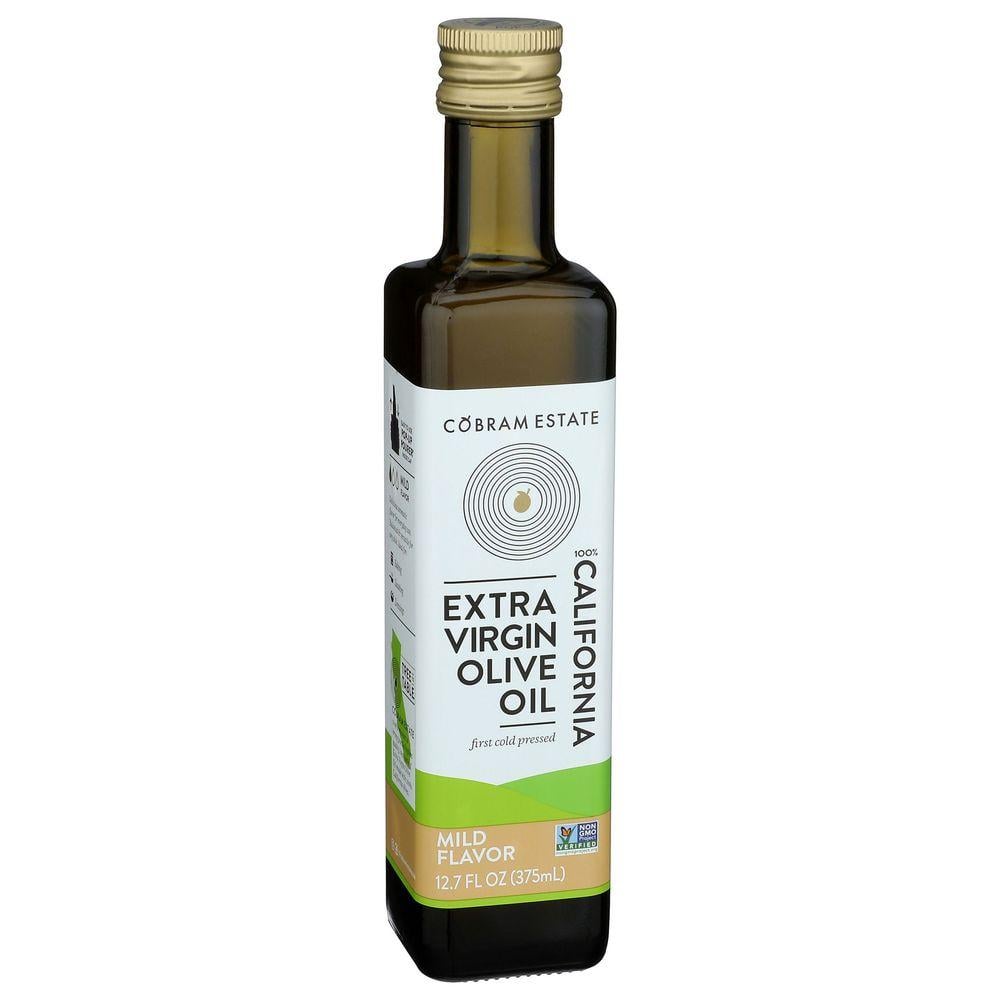


Jersey Maes Olive Oil & Sea Salt
Analysis updated September 2026 · How Scout scores
At a glance
Summary
This product contains beneficial ingredients such as olive oil and unsalted butter, which are minimally processed and provide healthy fats. However, the presence of sugar and the overall processing level limit its health rating. While the ingredient list is relatively clean, the product's processed nature and added sugar prevent it from achieving a higher score.
Key ingredients 10
Olive oilVery Good
Olive oil is a high-quality monounsaturated fat with anti-inflammatory properties. It contains antioxidants that support heart health. Cold-pressed extraction preserves beneficial compounds.
Benefits
Rich in monounsaturated fats that support heart health and provide anti-inflammatory properties. Contains antioxidants like vitamin E and polyphenols that may reduce oxidative stress.
Unsalted butterGood
Unsalted butter is a source of saturated fats and fat-soluble vitamins. It is minimally processed and can be part of a balanced diet. Grass-fed butter offers additional benefits like higher omega-3 content.
Risks
High in saturated fats, which should be consumed in moderation to maintain heart health.
Benefits
Provides fat-soluble vitamins such as A, D, E, and K, and can enhance the flavor of foods.
Sea saltGood
Sea salt is a minimally processed source of sodium and trace minerals. It is harvested through evaporation of seawater, retaining natural minerals. Offers a more complex flavor profile compared to refined salt.
Risks
Excessive consumption can contribute to high blood pressure and related health issues.
Benefits
Contains trace minerals that can support overall health and enhance flavor.
Dried rosemary piecesGood
Dried rosemary is an herb that adds flavor and aroma to dishes. It contains antioxidants and anti-inflammatory compounds. Used in small amounts, it enhances culinary appeal without significant calories.
Benefits
Rich in antioxidants and may support digestion and cognitive health.
Rosemary oilGood
Rosemary oil is derived from the rosemary plant and is used for its aromatic properties. It contains compounds that may have antioxidant and anti-inflammatory effects. Often used in small amounts to enhance flavor.
Benefits
May provide antioxidant benefits and enhance the flavor profile of foods.
Nonfat milk solidsNeutral
Nonfat milk solids are used to add protein and calcium without the fat content of whole milk. They are processed to remove fat, which can reduce some nutritional value. Suitable for low-fat dietary needs.
Risks
May cause allergic reactions in individuals with lactose intolerance or milk allergies.
Benefits
Provides protein and calcium, contributing to bone health and muscle maintenance.
SaltNeutral
Salt is a common seasoning used to enhance flavor. It is refined and lacks the trace minerals found in unrefined salts. Excessive consumption can lead to health issues like hypertension.
Risks
High sodium intake is associated with increased risk of hypertension and cardiovascular diseases.
Benefits
Essential for maintaining fluid balance and nerve function, but should be consumed in moderation.
Baking powderNeutral
Baking powder is a leavening agent used to help baked goods rise. It is a combination of an acid and a base, typically sodium bicarbonate and cream of tartar. It is essential for texture in baking but offers no nutritional benefits.
Benefits
Essential for achieving desired texture and volume in baked goods.
Wheat flourBad
Refined grain flour stripped of bran and germ.
Risks
May cause allergic reactions in individuals with gluten intolerance or celiac disease.
Benefits
Provides energy through carbohydrates but lacks significant nutritional benefits compared to whole grains.
SugarBad
Sugar is a refined carbohydrate that provides quick energy but lacks nutritional value. Excessive consumption is linked to various health issues such as obesity and diabetes. It is often added to enhance sweetness in processed foods.
Risks
High intake can lead to weight gain, insulin resistance, and increased risk of chronic diseases.
Benefits
Provides quick energy but should be limited due to lack of essential nutrients.
Processing
Processed Foods
Get the full breakdown in the Scout appTake Scout shopping
Scan any product to see lab results, healthy alternatives, and your personalized analysis.
Download on theApp Store GET IT ONGoogle Play