



At a glance
Summary
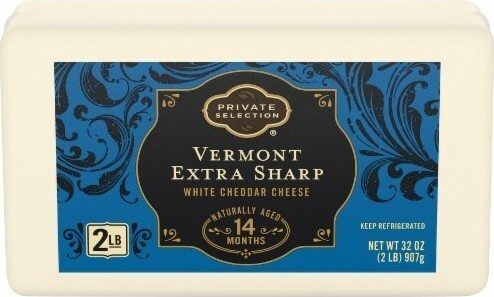
This 24 Month Aged Cheddar is made with a simple and traditional ingredient list, including milk, salt, starter culture, calcium chloride, and microbial rennet. The cheese is aged, which enhances its flavor and nutritional profile, providing a good source of protein and calcium. Despite being processed, the absence of harmful additives and the use of high-quality ingredients allow it to score well within its category.
Key ingredients 5
MilkGood
Milk is a primary ingredient in cheese, providing essential nutrients like calcium and protein. It is typically pasteurized to ensure safety and quality. The quality of milk can vary, with grass-fed or organic options being more beneficial.
Risks
Potential risks include lactose intolerance or milk allergies in some individuals.
Benefits
Rich in calcium and protein, supporting bone health and muscle maintenance.
SaltNeutral
Salt is used in cheese making for flavor and preservation. It is a common ingredient in many processed foods. While necessary in small amounts, excessive salt intake can lead to health issues.
Risks
High sodium intake can contribute to hypertension and cardiovascular issues.
Benefits
Enhances flavor and acts as a preservative in cheese.
Starter CultureNeutral
Starter cultures are essential for cheese fermentation, contributing to flavor and texture. They consist of beneficial bacteria that initiate the fermentation process. The specific strains used can affect the final taste and quality of the cheese.
Benefits
Facilitates fermentation, enhancing flavor and texture of the cheese.
Calcium ChlorideNeutral
Calcium chloride is used in cheese making to improve curd formation. It is a common additive in the dairy industry. It helps maintain the firmness and texture of the cheese.
Benefits
Improves curd formation and texture in cheese production.
Microbial RennetNeutral
Microbial rennet is used to coagulate milk in cheese making, an alternative to animal-derived rennet. It is derived from microbial sources, making it suitable for vegetarians. The use of microbial rennet can influence the texture and flavor of the cheese.
Benefits
Suitable for vegetarians and aids in the coagulation process during cheese making.
Processing
Processed Foods
Get the full breakdown in the Scout appTake Scout shopping
Scan any product to see lab results, healthy alternatives, and your personalized analysis.
Download on theApp Store GET IT ONGoogle Play