


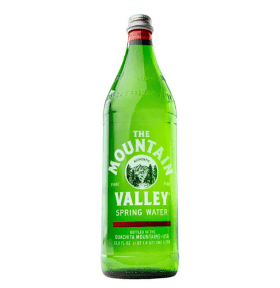


Glacier Clear Purified Drinking Water Plastic Bottle
At a glance
Summary
Glacier Clear Purified Drinking Water (Premium Waters Inc) scores 30/100. Sourced from a private well in Douglas, GA and treated with RO, micron filtration, and ozone, but the latest lab flagged Radium-226 ~4x the health guideline and elevated gross-beta radiation. Plastic bottle adds a likely-microplastic risk; pH 6.8.
Contaminants 2
Source: Independent third-party laboratory testing
Fluoride 0.07 mg/L Trace
Detected at a trace level. Fluoride detected at 0.07 mg/L, below EWG's strict health guideline of 0.7 mg/L.
Independent third-party laboratory testing.
Nitrate (as NO3) 0.13 mg/L Trace
Detected at a trace level. Nitrate (as NO3) detected at 0.13 mg/L, below EWG's strict health guideline of 0.62 mg/L.
Independent third-party laboratory testing.
Key ingredients 7
Radium-226Bad
Radium detected at 0.2 pCi/L, above EWG's strict health guideline of 0.05 pCi/L; below the EPA legal limit of 5 pCi/L.
See more about Radium-226 →Gross Beta RadiationBad
Lab flagged elevated gross-beta radiation, indicating beta-emitting radionuclides above background — contributes to lifetime radiation exposure.
See more about Gross Beta Radiation →Magnesium0.6 mg/LGood
Magnesium at 0.6 mg/L — beneficial mineral that supports hydration and electrolyte balance.
See more about Magnesium →Sodium3.2 mg/LGood
Sodium at 3.2 mg/L — supports electrolyte balance at this level.
See more about Sodium →Chloride2.5 mg/LGood
Chloride at 2.5 mg/L — supports electrolyte balance at this level.
See more about Chloride →Sulfate2.1 mg/LGood
Sulfate at 2.1 mg/L — supports electrolyte balance at this level.
See more about Sulfate →Calcium1.2 mg/LVery Good
Calcium at 1.2 mg/L — beneficial mineral that supports hydration and electrolyte balance.
See more about Calcium →Processing
Unprocessed or Minimally Processed Foods
Get the full breakdown in the Scout appTake Scout shopping
Scan any product to see lab results, healthy alternatives, and your personalized analysis.
Download on theApp Store GET IT ONGoogle Play