



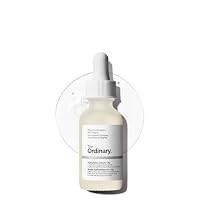

The Ordinary Glycolic Acid 7% Exfoliating Toner
At a glance
Summary
The Ordinary Glycolic Acid 7% Exfoliating Toner (recently renamed from 'Toning Solution') scores 70/100. Delivers a therapeutic 7% glycolic acid AHA exfoliant in a generally clean carrier with Aloe Vera, ginseng root extract, and Tasmanian pepperberry to reduce irritation. No fragrance, no essential oils, no parabens. The lower score (vs. the Hyaluronic Acid product) reflects: (1) glycolic acid is the smallest-molecule AHA and the most likely to cause UV sensitivity and irritation, (2) the formula contains hexylene glycol (a PG-family solvent) and PEG-derivatives. The Ordinary recommends nighttime use with mandatory daily SPF — and this is a serious exfoliant best used 2–3x weekly, not daily.
Key ingredients 22
Glycolic Acid (7%)Good
Therapeutic-dose alpha-hydroxy acid. Smallest-molecule AHA, penetrates deepest. Effective for hyperpigmentation, fine lines, and surface texture but carries the highest UV-sensitization risk of common AHAs — strict daily SPF is required.
See more about Glycolic Acid (7%) →Rosa Damascena (Damask Rose) Flower WaterGood
Hydrosol; mild soothing and aromatic component.
See more about Rosa Damascena (Damask Rose) Flower Water →Centaurea Cyanus (Cornflower) Flower WaterGood
Soothing botanical hydrosol.
See more about Centaurea Cyanus (Cornflower) Flower Water →Aloe Barbadensis Leaf WaterGood
Soothing botanical hydrosol; helps mitigate exfoliation irritation.
See more about Aloe Barbadensis Leaf Water →PropanediolGood
Corn-fermentation humectant; cleaner alternative to propylene glycol.
See more about Propanediol →GlycerinGood
Humectant.
See more about Glycerin →Panax Ginseng Root ExtractGood
Antioxidant adaptogenic botanical.
See more about Panax Ginseng Root Extract →Tasmannia Lanceolata Fruit/Leaf ExtractGood
Tasmanian pepperberry; clinically shown to reduce stinging and irritation from acid exfoliants.
See more about Tasmannia Lanceolata Fruit/Leaf Extract →Glycine Soja (Soybean) OilGood
Plant emollient.
See more about Glycine Soja (Soybean) Oil →Sodium Hyaluronate CrosspolymerGood
Hydrating film-former.
See more about Sodium Hyaluronate Crosspolymer →Trisodium Ethylenediamine DisuccinateGood
Biodegradable chelator.
See more about Trisodium Ethylenediamine Disuccinate →WaterNeutral
Solvent base. Inert.
See more about Water →Triethanolamine
pH adjuster. Can form trace nitrosamines if formulated alongside certain other ingredients; manufacturer must control for this.
See more about Triethanolamine →Polysorbate 20
PEG-derived emulsifier; possible 1,4-dioxane contamination.
See more about Polysorbate 20 →PPG-26-Buteth-26
PEG/PPG-derived emulsifier; possible 1,4-dioxane contamination.
See more about PPG-26-Buteth-26 →PEG-40 Hydrogenated Castor Oil
PEG-modified plant oil emulsifier; possible 1,4-dioxane contamination.
See more about PEG-40 Hydrogenated Castor Oil →Disodium EDTA
Synthetic chelator; poorly biodegradable.
See more about Disodium EDTA →Phenoxyethanol
Synthetic preservative considered safer than parabens but can irritate sensitive skin at higher use levels. EU caps at 1%.
See more about Phenoxyethanol →Aminomethyl PropanolBad
Synthetic pH adjuster.
See more about Aminomethyl Propanol →Hexylene GlycolBad
PG-family solvent; common contact allergen.
See more about Hexylene Glycol →EthylhexylglycerinBad
Synthetic preservative-booster — CIR-safe and well-tolerated, but a petroleum-derived synthetic that clean brands typically replace with food-grade/natural systems. Minor clean-beauty demerit.
See more about Ethylhexylglycerin →ChlorphenesinBad
Synthetic preservative-booster — CIR-safe and well-tolerated, but a petroleum-derived synthetic that clean brands typically replace with food-grade/natural systems. Minor clean-beauty demerit.
See more about Chlorphenesin →Get the full breakdown in the Scout appTake Scout shopping
Scan any product to see lab results, healthy alternatives, and your personalized analysis.
Download on theApp Store GET IT ONGoogle PlayAmazon pricing & content
Amazon price as of . Product prices and availability are accurate as of the date/time indicated and are subject to change. Any price and availability information displayed on Amazon.com at the time of purchase will apply to the purchase of this product.
CERTAIN CONTENT THAT APPEARS ON THIS SITE COMES FROM AMAZON. THIS CONTENT IS PROVIDED “AS IS” AND IS SUBJECT TO CHANGE OR REMOVAL AT ANY TIME.