
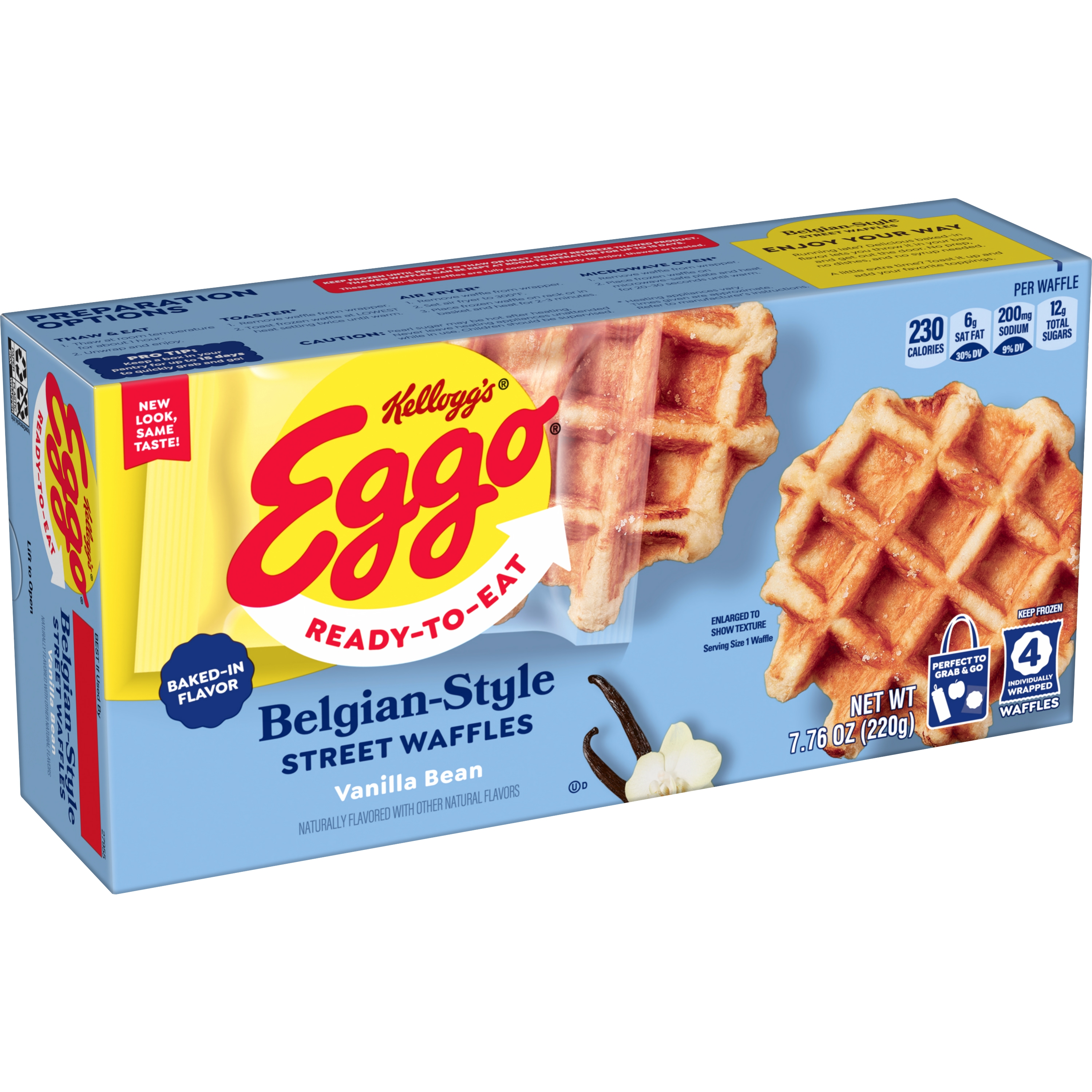


BELGIAN VANILLA WAFFLE
Analysis updated April 2026 · How Scout scores
At a glance
Summary
The Belgian Vanilla Waffle contains a mix of beneficial ingredients like eggs, butter, and vanilla, which contribute to its nutritional profile. However, the presence of refined sugar and the processed nature of the product limit its healthfulness. While it avoids harmful additives and seed oils, the high sugar content and processing level prevent it from achieving a higher score.
Key ingredients 10
EggsVery Good
Eggs are a high-quality protein source and provide essential nutrients like choline and vitamin D. They contribute to the structure and richness of baked goods. Eggs are considered a complete protein, offering all essential amino acids.
Risks
Potential allergen for some individuals.
Benefits
Rich in high-quality protein and essential nutrients like choline and vitamin D.
ButterGood
Butter is a natural fat that enhances flavor and texture in baked goods. It contains fat-soluble vitamins like A, D, E, and K. When sourced from grass-fed cows, it provides beneficial omega-3 fatty acids and CLA.
Risks
High in saturated fat, which should be consumed in moderation.
Benefits
Provides fat-soluble vitamins and can be a source of beneficial fatty acids if grass-fed.
VanillaGood
Vanilla is a natural flavoring that enhances the taste of baked goods. It contains antioxidants that may have health benefits. Pure vanilla extract is preferred over artificial flavorings for its richer flavor profile.
Benefits
Provides natural flavor and contains antioxidants.
Unbleached wheat flourNeutral
Unbleached wheat flour is a staple ingredient in many baked goods, providing structure and texture. It is less processed than bleached flour, retaining more nutrients. However, it is still a refined carbohydrate with limited nutritional benefits.
Risks
May contribute to blood sugar spikes and is a common allergen for those with gluten sensitivity.
Benefits
Provides essential carbohydrates for energy and is less processed than bleached flour.
Vegetable fat non hydrogenatedNeutral
Non-hydrogenated vegetable fat is used to provide texture and moisture in baked goods. It avoids trans fats, which are harmful to heart health. However, it may still contain high levels of omega-6 fatty acids, which can be inflammatory.
Risks
High omega-6 content may promote inflammation when consumed in excess.
Benefits
Free from trans fats, which are known to be harmful to cardiovascular health.
WaterNeutral
Water is a basic ingredient used to hydrate and bind ingredients in baking. It is essential for the chemical reactions that occur during baking. Water itself has no nutritional value but is crucial for the texture of the final product.
Benefits
Essential for hydration and necessary for various metabolic processes.
YeastNeutral
Baker's/nutritional yeast in standard use — benign.
Benefits
Contributes to the leavening process and provides B vitamins.
Soy flourNeutral
Soy flour is used to enhance protein content and improve texture in baked goods. It is a plant-based protein source but may not provide as complete an amino acid profile as animal proteins. Soy flour can also act as an emulsifier in recipes.
Risks
May contain phytoestrogens, which can affect hormone balance in large amounts.
Benefits
Increases protein content and can improve the texture of baked goods.
SaltNeutral
Salt is used to enhance flavor and control yeast activity in baking. It is essential for maintaining fluid balance and nerve function in the body. However, excessive consumption can lead to hypertension and cardiovascular issues.
Risks
High intake can contribute to hypertension and cardiovascular diseases.
Benefits
Essential for fluid balance and nerve function.
SugarBad
Refined sugar is a common sweetener that can contribute to various health issues. It is highly processed and offers no nutritional benefits beyond calories. Excessive consumption is linked to obesity, diabetes, and heart disease.
Risks
High intake can lead to weight gain, increased risk of chronic diseases, and dental cavities.
Benefits
Provides quick energy but should be consumed in moderation.
Processing
Processed Foods
Get the full breakdown in the Scout appTake Scout shopping
Scan any product to see lab results, healthy alternatives, and your personalized analysis.
Download on theApp Store GET IT ONGoogle PlayAmazon pricing & content
Amazon price as of . Product prices and availability are accurate as of the date/time indicated and are subject to change. Any price and availability information displayed on Amazon.com at the time of purchase will apply to the purchase of this product.
CERTAIN CONTENT THAT APPEARS ON THIS SITE COMES FROM AMAZON. THIS CONTENT IS PROVIDED “AS IS” AND IS SUBJECT TO CHANGE OR REMOVAL AT ANY TIME.