
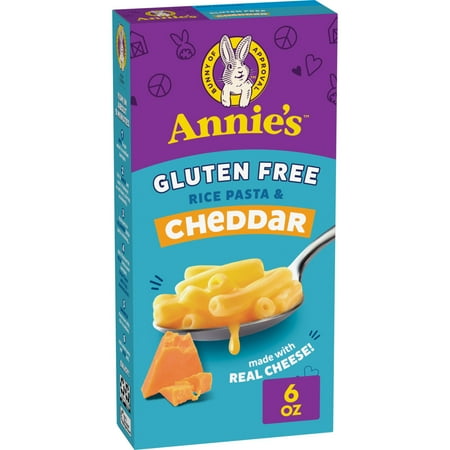



Annie's Homegrown Gluten Free Rice Pasta and Cheddar Mac & Cheese
Summary
This product contains beneficial ingredients like rice pasta and cheddar cheese, which provide some nutritional value and are suitable for a gluten-free diet. However, it is classified as ultra-processed due to the inclusion of sodium phosphate, a synthetic additive that can impact mineral balance and health. The overall processing level and presence of this additive limit its healthiness despite the presence of some whole-food ingredients.
At a glance
Key ingredients 9
Rice pastaGood
Rice pasta is made from white and brown rice flour, providing a gluten-free alternative to traditional wheat pasta. It is minimally processed compared to other pasta options, retaining some nutritional benefits of rice. The use of both white and brown rice flour offers a balance of texture and nutrition.
Benefits
Provides a gluten-free option for those with celiac disease or gluten sensitivity. Contains some essential nutrients found in rice, such as manganese and selenium.
Cheddar cheeseGood
Cheddar cheese is made from cultured pasteurized milk, salt, and non-animal enzymes, offering a source of protein and calcium. It is a natural cheese with fewer additives compared to processed cheese products. The use of non-animal enzymes makes it suitable for vegetarians.
Risks
High in saturated fats, which may contribute to heart disease if consumed in excess.
Benefits
Rich in calcium and protein, supporting bone health and muscle maintenance. Contains beneficial probiotics from the culturing process.
WheyNeutral
Whey is a byproduct of cheese production, often used as a protein supplement. It is a complete protein source, containing all essential amino acids. However, it is processed and may contain lactose, which can be problematic for those with lactose intolerance.
Risks
May cause digestive issues for individuals with lactose intolerance.
Benefits
Provides a high-quality protein source that supports muscle growth and repair.
Nonfat milkNeutral
Nonfat milk is milk with the fat removed, providing a low-calorie source of calcium and protein. It is often used in processed foods to add creaminess without the fat content. The removal of fat also reduces the presence of fat-soluble vitamins.
Benefits
Offers a low-calorie source of calcium and protein, beneficial for bone health.
ButterNeutral
Butter is a dairy product made from cream, providing flavor and richness to foods. It is a natural fat source but high in saturated fats. The quality of butter can vary based on the diet of the cows and processing methods.
Risks
High in saturated fats, which may contribute to heart disease if consumed in excess.
Benefits
Adds flavor and richness to dishes, and contains fat-soluble vitamins like A and E.
SaltNeutral
Salt is used as a seasoning and preservative in many foods. It enhances flavor but can contribute to high blood pressure if consumed in excess. The type of salt used can vary, but common table salt is often highly processed.
Risks
Excessive consumption can lead to high blood pressure and cardiovascular issues.
Benefits
Essential for maintaining fluid balance and nerve function in the body.
Cultured milkNeutral
Cultured milk is milk that has been fermented with lactic acid bacteria, enhancing its probiotic content. It is used to improve the texture and flavor of dairy products. The fermentation process can reduce lactose content, making it easier to digest for some individuals.
Benefits
Contains probiotics that may support gut health and improve digestion.
Sodium phosphateBad
Sodium phosphate is used as an emulsifier and stabilizer in processed foods. It is a synthetic additive that can affect mineral balance in the body. Overconsumption of phosphates is linked to health issues such as kidney stress and bone mineral disruption.
Risks
May contribute to kidney stress and bone mineral disruption when consumed in excess.
Annatto extractNeutral
Annatto extract is a natural coloring agent derived from the seeds of the achiote tree. It is used to impart a yellow or orange color to foods. As a natural colorant, it is preferred over synthetic dyes, though it may cause allergic reactions in sensitive individuals.
Risks
May cause allergic reactions in sensitive individuals.
Benefits
Provides a natural alternative to synthetic food dyes, with no significant health risks for most people.
Processing
Ultra-Processed Foods
Get the full breakdown in the Scout app
Scan any product to see lab results, healthy alternatives, and your personalized analysis.
Download on theApp Store