
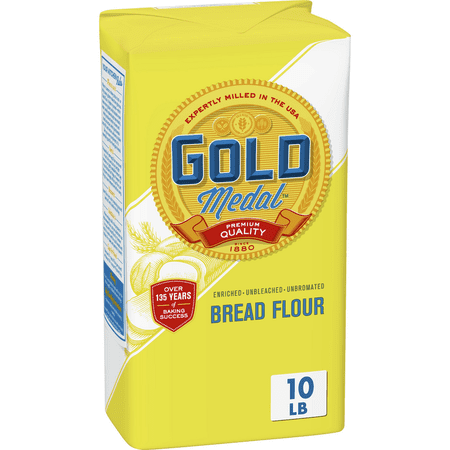


Gold Medal Unbleached Bread Flour
Analysis updated April 2026 · How Scout scores
At a glance
Summary
Gold Medal Unbleached Bread Flour is a processed product with a relatively clean ingredient list, primarily consisting of enriched wheat flour and essential vitamins. The absence of harmful additives such as artificial colors, flavors, or preservatives contributes positively to its rating. However, due to its processing level, the score is capped, reflecting the balance between ingredient quality and processing considerations.
Key ingredients 7
NiacinGood
Beneficial ingredient — whole-food or functional value in this product class.
Benefits
Supports energy metabolism and overall cellular function.
RiboflavinGood
Essential B vitamin — beneficial micronutrient.
Benefits
Supports energy production and antioxidant protection.
IronNeutral
Iron is an essential mineral added to flour to prevent deficiencies and support oxygen transport in the blood. Enrichment with iron helps address potential dietary gaps, especially in populations at risk for anemia. It is a standard practice in flour fortification.
Risks
Excessive iron intake can lead to toxicity, but this is rare from fortified foods alone.
Benefits
Crucial for hemoglobin formation and oxygen transport in the body.
Thiamine mononitrateNeutral
Thiamine mononitrate is a form of vitamin B1 used to fortify flour, supporting energy metabolism and nerve function. It is added to replace nutrients lost during the milling process. This fortification helps prevent deficiencies in populations relying heavily on refined grains.
Benefits
Essential for carbohydrate metabolism and nerve function.
EnzymesNeutral
Enzymes are added to flour to improve dough handling and bread quality by enhancing fermentation and texture. They are naturally occurring proteins that catalyze biochemical reactions. Their use in baking is generally considered safe and beneficial for product consistency.
Benefits
Improves dough performance and bread texture.
Folic acidNeutral
Folic acid, a synthetic form of vitamin B9, is used to fortify flour, supporting DNA synthesis and cell division. It is crucial for preventing neural tube defects during pregnancy. The fortification of flour with folic acid is a public health measure to improve nutritional intake.
Risks
Excessive intake can mask vitamin B12 deficiency, but this is unlikely from fortified foods alone.
Benefits
Essential for DNA synthesis and preventing certain birth defects.
Wheat flourBad
Refined grain flour stripped of bran and germ.
Risks
Refined wheat flour can contribute to blood sugar spikes and lacks fiber, which may affect digestive health.
Benefits
Provides essential carbohydrates for energy and is a versatile ingredient in baking.
Processing
Processed Foods
Get the full breakdown in the Scout appTake Scout shopping
Scan any product to see lab results, healthy alternatives, and your personalized analysis.
Download on theApp Store GET IT ONGoogle Play