
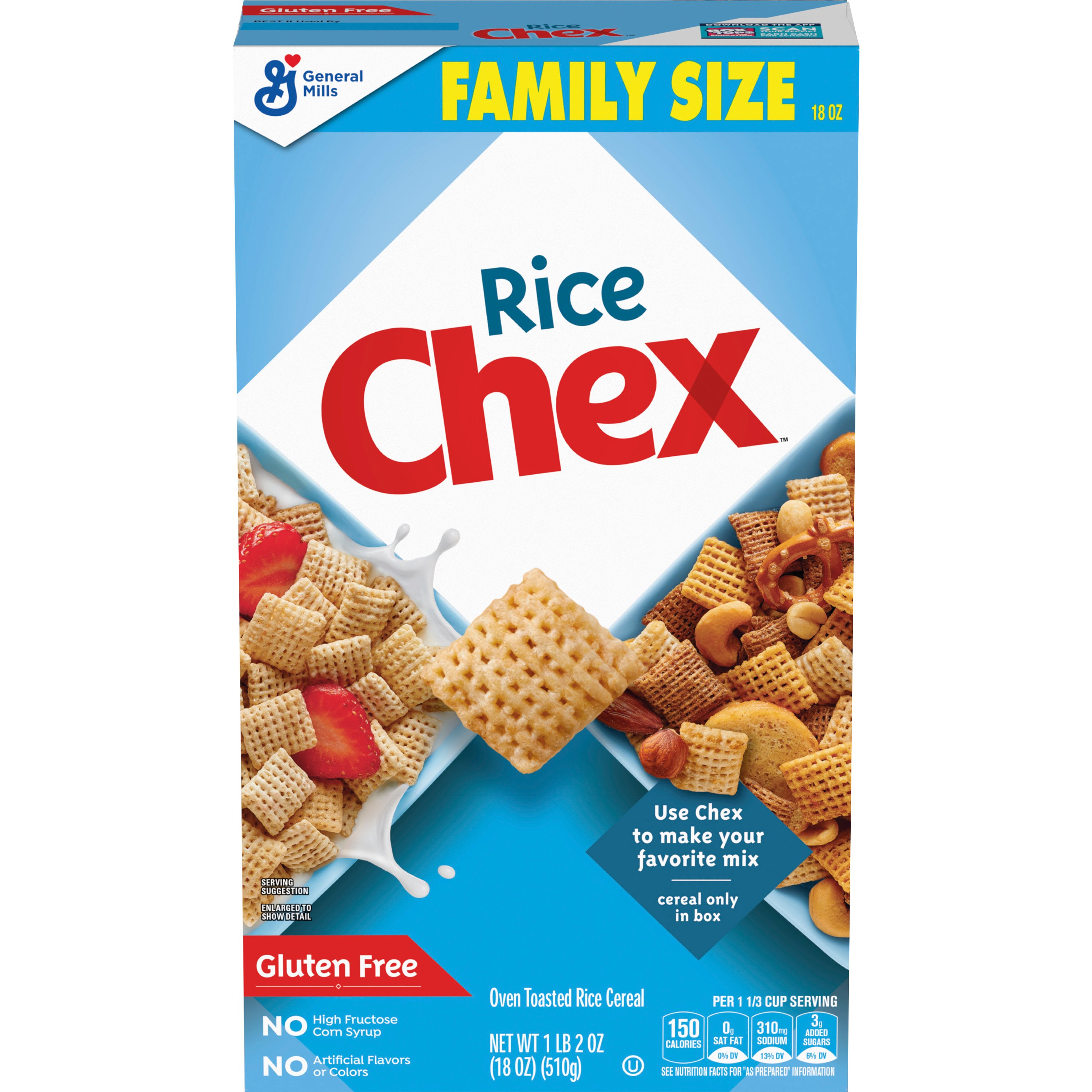


Rice Chex Cereal
Summary
Rice Chex Cereal is a processed food with a relatively clean ingredient list, featuring whole grain rice as the primary component, which is beneficial for its fiber and nutrient content. However, the presence of added sugar and salt, along with its processed nature, slightly detracts from its overall healthiness. The inclusion of vitamins and minerals is a positive aspect, but the product's processing level and added sugars prevent it from achieving a higher score.
At a glance
Key ingredients 15
Whole Grain RiceGood
Whole grain rice is a source of complex carbohydrates and fiber. It is minimally processed, retaining its bran and germ, which provide essential nutrients. Compared to refined grains, it offers more vitamins and minerals.
Benefits
Provides dietary fiber, which aids in digestion and helps maintain stable blood sugar levels.
RiceNeutral
Rice is a staple carbohydrate source but lacks the fiber and nutrients found in whole grains. It is often used as a filler in processed foods. While it provides energy, it is less nutrient-dense than whole grain alternatives.
Risks
May contribute to rapid spikes in blood sugar levels due to its high glycemic index.
Benefits
Provides a quick source of energy due to its carbohydrate content.
SugarBad
Refined sugar is associated with increased risk of obesity and metabolic disorders. It is highly processed and offers no essential nutrients. Excessive consumption can lead to health issues such as insulin resistance.
Risks
High intake can lead to weight gain, increased risk of type 2 diabetes, and dental cavities.
SaltNeutral
Salt is used to enhance flavor but can contribute to high blood pressure if consumed in excess. It is a common additive in processed foods. Moderation is key to avoid potential health issues.
Risks
Excessive consumption can lead to hypertension and cardiovascular issues.
Benefits
Essential for maintaining fluid balance and nerve function in the body.
MolassesGood
Molasses is a byproduct of sugar refining that retains some vitamins and minerals. It is less processed than refined sugar and contains iron, calcium, and magnesium. It can be a healthier alternative to refined sweeteners.
Risks
High consumption can still contribute to sugar-related health issues.
Benefits
Provides trace minerals and can be a source of iron and calcium.
Vitamin E (Mixed Tocopherols)Good
Vitamin E is an antioxidant that helps protect cells from oxidative damage. Mixed tocopherols are used to preserve freshness in foods. They support immune function and skin health.
Benefits
Acts as an antioxidant and supports immune and skin health.
Calcium CarbonateGood
Calcium carbonate is a common dietary supplement used to fortify foods with calcium. It supports bone health and is essential for muscle function. It is a cost-effective way to increase calcium intake.
Risks
Excessive intake can lead to kidney stones and impaired absorption of other minerals.
Benefits
Supports bone health and helps maintain strong teeth.
Iron And Zinc (Mineral Nutrients)Good
Iron and zinc are essential minerals that support various bodily functions. Iron is crucial for oxygen transport, while zinc supports immune function and wound healing. Fortification helps prevent deficiencies.
Risks
Excessive intake can lead to toxicity and interfere with the absorption of other minerals.
Benefits
Essential for immune function, oxygen transport, and enzyme activity.
Vitamin C (Sodium Ascorbate)Good
Vitamin C is an antioxidant that supports immune health and collagen synthesis. Sodium ascorbate is a form of vitamin C used in food fortification. It enhances iron absorption and protects against oxidative stress.
Benefits
Supports immune function and enhances iron absorption.
Vitamin B6 (Pyridoxine Hydrochloride)Good
Vitamin B6 is essential for protein metabolism and cognitive development. Pyridoxine hydrochloride is a stable form used in supplements and fortified foods. It plays a role in neurotransmitter synthesis and immune function.
Benefits
Supports protein metabolism and cognitive health.
Vitamin B2 (Riboflavin)Good
Vitamin B2 is important for energy production and cellular function. Riboflavin is commonly added to foods to prevent deficiencies. It helps convert food into energy and supports skin and eye health.
Benefits
Supports energy production and cellular health.
Vitamin B1 (Thiamin Mononitrate)Good
Vitamin B1 is crucial for energy metabolism and nerve function. Thiamin mononitrate is a stable form used in food fortification. It helps convert carbohydrates into energy and supports nervous system health.
Benefits
Supports energy metabolism and nerve function.
Vitamin A (Palmitate)Good
Vitamin A is essential for vision, immune function, and skin health. Palmitate is a form used in food fortification to ensure adequate intake. It supports eye health and immune response.
Risks
Excessive intake can lead to toxicity and liver damage.
Benefits
Supports vision and immune function.
Vitamin B12Good
Vitamin B12 is crucial for nerve function and red blood cell formation. It is often added to fortified foods to prevent deficiencies, especially in vegetarians. It supports DNA synthesis and neurological health.
Benefits
Supports nerve function and red blood cell production.
Vitamin D3Good
Vitamin D3 is important for calcium absorption and bone health. It is added to foods to help maintain adequate vitamin D levels, especially in areas with limited sunlight. It supports immune function and bone strength.
Risks
Excessive intake can lead to hypercalcemia and kidney damage.
Benefits
Supports bone health and immune function.
Processing
Processed Foods
Get the full breakdown in the Scout app
Scan any product to see lab results, healthy alternatives, and your personalized analysis.
Download on theApp Store