
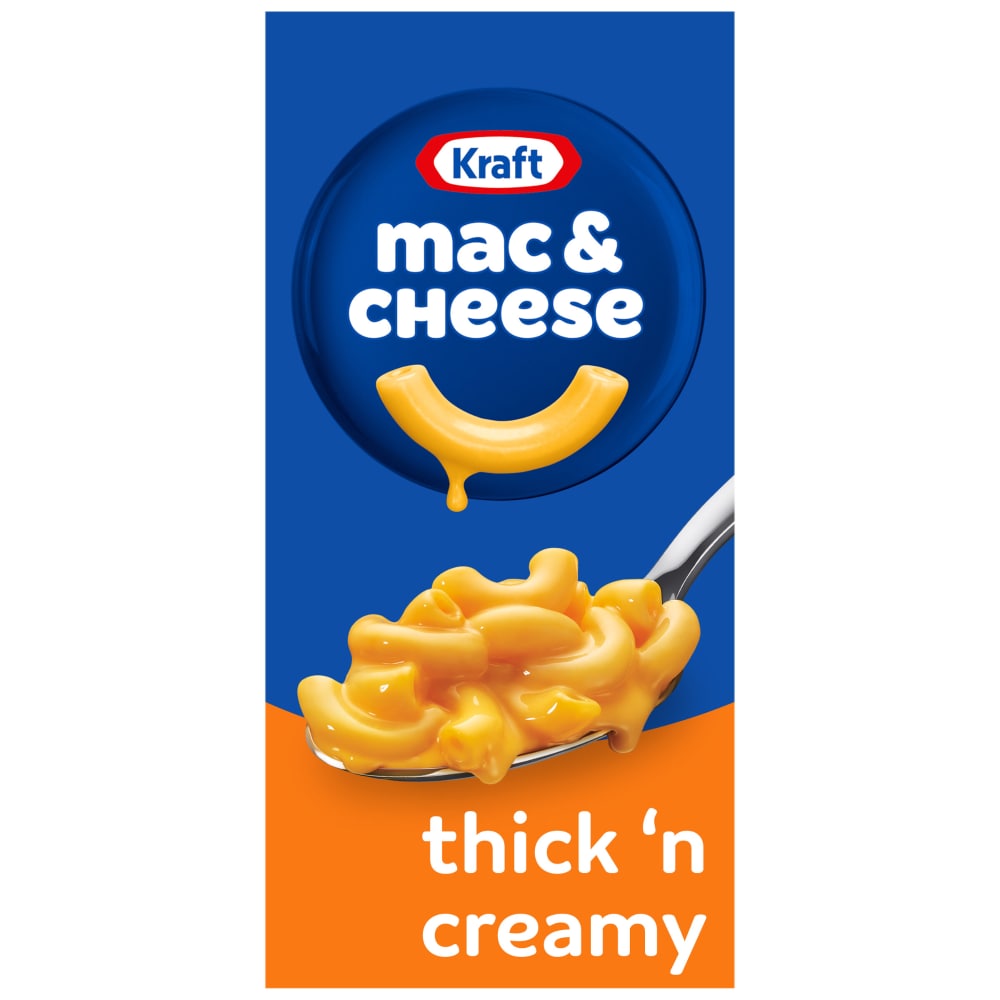


Mac 'n Cheese
Summary
This mac 'n cheese product is ultra-processed, which limits its healthiness despite containing beneficial ingredients like milk and various cheeses that provide calcium and protein. The presence of modified rice starch and the use of enriched semolina indicate a higher level of processing, which detracts from its overall nutritional quality. While it avoids harmful additives like artificial colors and seed oils, the processing level and moderate sodium content contribute to a lower score.
At a glance
Key ingredients 11
Cooked Elbow MacaroniNeutral
Cooked elbow macaroni is made from enriched semolina, providing carbohydrates and some B vitamins. The enrichment process adds nutrients like niacin and folic acid, which are beneficial for health. However, it lacks fiber and protein compared to whole grain alternatives.
Risks
Refined grains may contribute to blood sugar spikes and lack the fiber found in whole grains.
Benefits
Provides a source of energy and essential B vitamins due to enrichment.
MilkGood
Milk is a good source of calcium and vitamin D, essential for bone health. It also provides high-quality protein and other nutrients like potassium. The pasteurization process ensures safety by eliminating harmful bacteria.
Risks
Lactose intolerance can cause digestive issues for some individuals.
Benefits
Rich in calcium and vitamin D, supporting bone health and providing high-quality protein.
Cheddar CheeseGood
Cheddar cheese is a good source of calcium and protein, contributing to bone health and muscle maintenance. It contains beneficial fats and vitamins like A and B12. The cheese culture and rennet used in production enhance flavor and texture.
Risks
High in saturated fat and sodium, which may impact heart health if consumed in excess.
Benefits
Provides calcium, protein, and beneficial fats, supporting bone health and muscle maintenance.
Imported Gouda CheeseGood
Gouda cheese offers a rich source of calcium and vitamin K2, important for bone and cardiovascular health. It is made from pasteurized milk and contains beneficial bacteria from cheese cultures. The carotene used for color is a natural additive.
Risks
Contains saturated fat and sodium, which should be consumed in moderation.
Benefits
Rich in calcium and vitamin K2, supporting bone and cardiovascular health.
Imported Swiss CheeseGood
Swiss cheese is known for its lower sodium content compared to other cheeses and provides calcium and protein. It is made from part-skim milk, reducing fat content while maintaining nutritional benefits. The cheese cultures and enzymes contribute to its unique flavor.
Risks
Contains saturated fat, which should be consumed in moderation.
Benefits
Provides calcium and protein with a lower sodium content, supporting bone health.
Unbleached FlourNeutral
Unbleached flour is a refined wheat product that provides carbohydrates and some B vitamins. It is less processed than bleached flour, retaining more nutrients. However, it lacks the fiber and nutrients found in whole grain flour.
Risks
May contribute to blood sugar spikes and lacks fiber compared to whole grain alternatives.
Benefits
Provides energy and some B vitamins due to enrichment.
ButterNeutral
Butter is a source of saturated fat and provides fat-soluble vitamins like A and D. It is made from pasteurized cream and salt, with annatto used for color. While it adds flavor, its high saturated fat content requires moderation.
Risks
High in saturated fat, which may impact heart health if consumed in excess.
Benefits
Provides fat-soluble vitamins and enhances flavor.
Modified Rice StarchNeutral
Modified rice starch is used as a thickening agent and stabilizer in foods. It is derived from rice and is generally considered safe. However, it provides little nutritional value beyond its functional use.
Benefits
Enhances texture and stability in food products.
SaltNeutral
Salt is used to enhance flavor and preserve food. It is essential for maintaining fluid balance and nerve function. However, excessive consumption can lead to hypertension and cardiovascular issues.
Risks
Excessive intake may lead to high blood pressure and cardiovascular problems.
Benefits
Essential for fluid balance and nerve function.
SpicesNeutral
Spices add flavor and aroma to foods and may offer some antioxidant properties. The specific spices used are not detailed, which limits precise analysis. Generally, spices are low in calories and can enhance the sensory profile of dishes.
Benefits
May provide antioxidant properties and enhance flavor.
AnnattoNeutral
Annatto is a natural colorant derived from the seeds of the achiote tree. It is used to impart a yellow or orange hue to foods. While generally safe, some individuals may experience allergic reactions.
Risks
May cause allergic reactions in sensitive individuals.
Benefits
Provides natural coloring without synthetic additives.
Processing
Ultra-Processed Foods
Get the full breakdown in the Scout app
Scan any product to see lab results, healthy alternatives, and your personalized analysis.
Download on theApp Store